iPhone 14 Plus vs. ZTE nubia Z50S Pro: A Detailed Comparison
The smartphone market offers a plethora of choices, and deciding between two seemingly similar devices can be daunting. Today, we'll dissect the Apple iPhone 14 Plus and the ZTE nubia Z50S Pro, two "medium priced" contenders vying for your attention. Let's dive deep into their specifications and uncover what truly sets them apart.
1. Specifications Breakdown
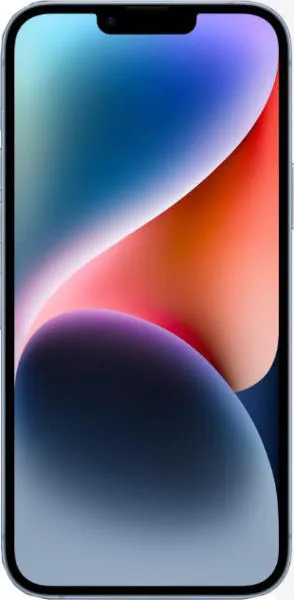
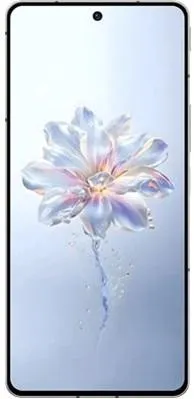
| Feature | Apple iPhone 14 Plus | ZTE nubia Z50S Pro | Real-World Implications |
|---|---|---|---|
| Design | |||
| Dimensions (mm) | 160.8 x 78.1 x 7.8 | 163.9 x 76.3 x 8.3 | iPhone 14 Plus is slightly smaller and thinner. Nubia Z50S Pro might feel a bit bulkier. |
| Weight (g) | 203 | 228 | Noticeable weight difference; iPhone 14 Plus is lighter for extended use. |
| Display | |||
| Size (inches) | 6.7 | 6.8 | Negligible difference in screen real estate. |
| Resolution (px) | 1284 x 2778 | 1260 x 2800 | Nearly identical pixel counts, resulting in sharp visuals on both. iPhone has slightly higher pixel density (sharper text and images). |
| Type | Super Retina XDR OLED | AMOLED | Both offer vibrant colors and deep blacks. iPhone's OLED is renowned for accuracy and brightness. Nubia boasts a higher peak brightness (1500 nits). |
| Refresh Rate (Hz) | 60 | 120 | Nubia's 120Hz offers smoother scrolling and animations, enhancing perceived speed and responsiveness. |
| Performance | |||
| Chipset | Apple A15 Bionic | Snapdragon 8+ Gen 2 | Nubia boasts a newer, more powerful processor, potentially leading to better multitasking and gaming performance. |
| RAM (GB) | 6 | 12 | Nubia's significantly larger RAM allows for more apps to run in the background without impacting performance. |
| OS | iOS 16 | Android 13 | Distinct user experiences; iOS is known for simplicity and optimization, while Android offers customization and flexibility. |
| Camera | |||
| Main Camera (MP) | 12 | 54 | Nubia offers much higher megapixel count, potentially capturing more detail. Real-world image quality depends on sensor and processing. |
| Battery Life | |||
| Capacity (mAh) | 4323 | 5100 | Nubia Z50S Pro has a larger battery, potentially lasting longer on a single charge. Real-world usage will vary. |
2. Key Insights
- Performance: The Nubia Z50S Pro, with its Snapdragon 8+ Gen 2 and 12GB of RAM, is likely a performance powerhouse, ideal for demanding tasks and gaming. The iPhone 14 Plus, while using a previous-generation A15 Bionic chip, still delivers excellent performance thanks to Apple's tight hardware-software integration.
- Display: The Nubia's 120Hz refresh rate provides a tangible advantage in fluidity. However, the iPhone 14 Plus's Super Retina XDR display is known for exceptional color accuracy and HDR performance, which some users might prioritize. Nubia's higher peak brightness may be beneficial in direct sunlight.
- Camera: The Nubia boasts impressive camera specs on paper, with a 54MP main sensor and a dedicated 35mm lens. However, megapixels don't tell the whole story. Apple's computational photography prowess could potentially offset the raw spec advantage. Real-world camera comparisons are crucial.
- Battery: The Nubia's larger 5100mAh battery suggests superior longevity. However, iOS's power efficiency could narrow the gap in real-world usage.
- Software: The biggest differentiator is the operating system. iOS offers a streamlined, user-friendly experience with a focus on privacy, while Android provides greater customization and flexibility. This is a personal preference.
3. User Profiles and Recommendations
- iPhone 14 Plus: Users seeking a seamless, reliable experience within the Apple ecosystem, prioritizing ease of use, a polished user interface, and long-term software support. Content creators who value Apple's ProRes video recording capabilities.
- ZTE nubia Z50S Pro: Users who prioritize raw performance, a high refresh rate display, and potentially superior battery life. Android enthusiasts who prefer customization and flexibility. Those seeking a potentially compelling camera system at a competitive price.
4. Buying Decision Framework
- What is your budget and desired storage capacity? Compare prices for comparable storage options.
- What operating system do you prefer? iOS and Android offer fundamentally different experiences.
- What are your primary use cases? Prioritize features based on your needs (e.g., gaming, photography, general use).
Scenario-Based Recommendations:
- Heavy gamer: Nubia Z50S Pro, for its superior processing power and high refresh rate display.
- Casual user: Either phone could suffice, but consider OS preference and battery life needs.
- Photographer/Videographer: iPhone 14 Plus, for its established reputation in content creation and ProRes video capabilities. However, thoroughly research real-world camera comparisons before deciding.
My Choice: The ZTE nubia Z50S Pro
While I appreciate the refined experience of the iPhone ecosystem, the ZTE nubia Z50S Pro compels me with its cutting-edge hardware. The powerful Snapdragon 8+ Gen 2 processor, combined with 12GB of RAM, promises a truly future-proof performance experience. The 120Hz display's smoothness is a significant draw, as is the potentially class-leading battery life offered by the 5100mAh cell. While Apple's computational photography is impressive, the Nubia's 54MP main camera and dedicated 35mm lens intrigue me, especially for capturing detail and exploring creative photography. Finally, as a tech enthusiast who enjoys exploring new technologies, the Nubia's more aggressive approach to innovation resonates with me. While real-world camera performance needs to be evaluated, the Z50S Pro's compelling blend of performance, display, and battery life makes it the more exciting prospect for me.
