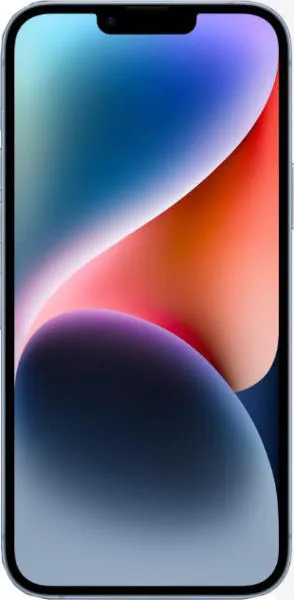
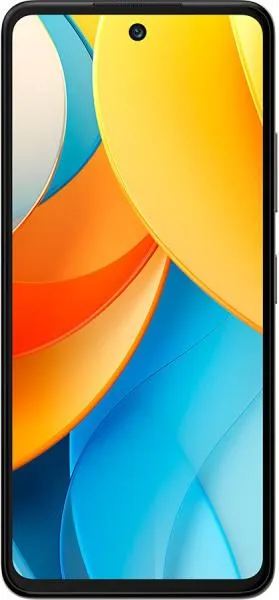
iPhone 14 Plus vs. ZTE Blade V60 Design: A Comparative Analysis
Let's dive into a detailed comparison of the Apple iPhone 14 Plus and the ZTE Blade V60 Design, dissecting their specifications and uncovering what they truly offer in real-world usage.
1. Specifications Breakdown
| Feature | Apple iPhone 14 Plus | ZTE Blade V60 Design | Real-World Implications |
|---|---|---|---|
| Design | |||
| Dimensions (mm) | 160.8 x 78.1 x 7.8 | 164.2 x 75.3 x 8.6 | iPhone 14 Plus is slightly smaller and significantly thinner. Noticeably more pocketable and comfortable to hold. |
| Weight (g) | 203 | 198 | Negligible weight difference in practical use. |
| Build Materials | Aluminum & Glass | Plastic | iPhone boasts premium materials, contributing to durability and perceived quality. V60 Design may feel less robust. |
| Display | |||
| Size (inches) | 6.7 | 6.6 | Virtually identical screen real estate. |
| Resolution (px) | 1284 x 2778 | 720 x 1612 | iPhone offers dramatically sharper visuals, text, and images due to much higher pixel density. V60 Design will show pixelation. |
| Display Type | Super Retina XDR OLED | IPS LCD | iPhone's OLED delivers superior contrast, deeper blacks, and vibrant colors. V60 Design's LCD is more basic. |
| Refresh Rate (Hz) | 60 | 90 | V60 Design's 90Hz offers smoother scrolling and animations, but the iPhone's OLED and superior processing will likely result in a more fluid experience overall. |
| Performance | |||
| Chipset | Apple A15 Bionic | Unisoc T606 | iPhone's A15 is significantly more powerful, ensuring smooth multitasking, demanding gaming, and faster app launches. V60 Design performance will be noticeably slower. |
| RAM (GB) | 6 | 4/6 | iPhone's optimized RAM management makes it highly efficient even with seemingly less RAM than some V60 Design variants. |
| Camera | |||
| Main Camera (MP) | 12 | 50 | While the V60 Design boasts higher megapixels, iPhone's superior image processing, sensor quality, and lens technology generally result in better photos and videos. |
| Video Recording | 4K@60fps | 1080p@30fps | iPhone supports significantly higher resolution and frame rate video recording, crucial for content creators. |
| Battery Life | |||
| Capacity (mAh) | 4323 | 5000 | While the V60 Design has a larger battery, iPhone's power-efficient chip and software optimization may lead to comparable or even better real-world battery life. |
2. Key Insights
- Performance Disparity: The iPhone 14 Plus, powered by the A15 Bionic chip, significantly outperforms the ZTE Blade V60 Design. This translates to a smoother, more responsive user experience across all tasks.
- Display Quality: The iPhone's Super Retina XDR OLED display offers a vastly superior visual experience compared to the V60 Design's IPS LCD.
- Camera Prowess: While megapixel count might favor the V60 Design, the iPhone 14 Plus excels in overall image and video quality due to advanced computational photography and superior sensor/lens technology.
- Premium vs. Budget: The iPhone 14 Plus embodies a premium device with high-quality materials and advanced features. The V60 Design is a budget-oriented option with compromises in performance and display quality.
3. User Profiles and Recommendations
- iPhone 14 Plus: Ideal for users who prioritize performance, a premium experience, a vibrant display, and excellent camera capabilities. This includes content creators, mobile gamers, and those seeking a long-lasting, future-proof device.
- ZTE Blade V60 Design: Suitable for budget-conscious users who primarily use their phones for basic tasks like calling, texting, web browsing, and social media. It's a decent entry-level smartphone for less demanding users.
4. Buying Decision Framework
- What is your budget? The iPhone 14 Plus is significantly more expensive.
- What are your primary phone usage patterns? For demanding tasks, the iPhone is essential. For basic use, the V60 Design suffices.
- How important are display quality and camera performance? The iPhone vastly outperforms the V60 Design in these areas.
My Choice: iPhone 14 Plus
While the ZTE Blade V60 Design offers an enticing price point, the iPhone 14 Plus aligns better with my needs and priorities. As a tech journalist, I demand top-tier performance, a stellar display for consuming media and reviewing content, and a reliable camera for capturing high-quality photos and videos. The iPhone's seamless ecosystem, long-term software support, and overall user experience justify the higher investment for me. The A15 Bionic's future-proof performance ensures the device will remain capable for years to come, crucial for someone who constantly interacts with the latest apps and technologies. Although the V60 Design's 90Hz refresh rate is appealing, it's not enough to offset the iPhone's comprehensive superiority in other critical areas.
