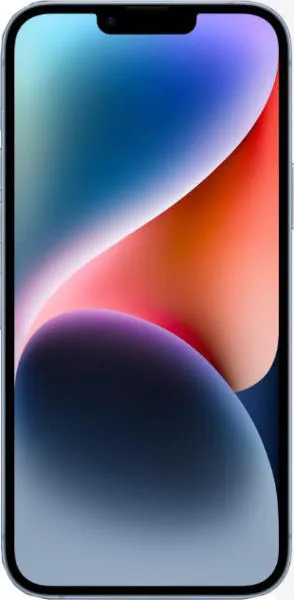
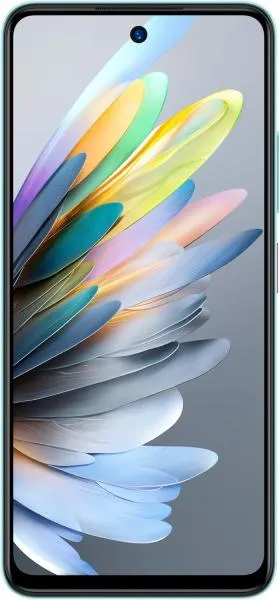
Let's dive into a comparative analysis of the Apple iPhone 14 Plus and the ZTE Blade A75 4G, dissecting their technical specifications and translating them into real-world implications for you.
1. Specifications Breakdown
| Feature | Apple iPhone 14 Plus | ZTE Blade A75 4G | Real-World Implications |
|---|---|---|---|
| Design | |||
| Dimensions (mm) | 160.8 x 78.1 x 7.8 | 164.1 x 75.8 x 8.6 | iPhone 14 Plus is slightly smaller and significantly thinner. Noticeably more pocketable and comfortable for one-handed use. |
| Weight (g) | 203 | 189 | ZTE Blade A75 4G is lighter, reducing hand fatigue during extended use. |
| Build Materials | Glass, Aluminum | Plastic | iPhone boasts premium materials contributing to durability and a more luxurious feel. ZTE prioritizes affordability with its build. |
| Display | |||
| Size (inches) | 6.7 | 6.6 | Nearly identical screen real estate for media consumption and multitasking. |
| Resolution (px) | 1284 x 2778 | 720 x 1612 | iPhone's significantly sharper display results in crisper text, images, and videos. Noticeably better detail and clarity. |
| Display Type | Super Retina XDR OLED | IPS LCD | iPhone's OLED delivers superior contrast, deeper blacks, and more vibrant colors, along with HDR support for richer visuals. |
| Refresh Rate (Hz) | 60 | 90 | ZTE's higher refresh rate results in smoother scrolling and animations, making interactions feel more fluid. |
| Performance | |||
| Chipset | Apple A15 Bionic | Unisoc T606 | iPhone's A15 is significantly more powerful, enabling smoother multitasking, faster app loading, and superior gaming performance. |
| CPU | Hexa-core | Octa-core | While both have multiple cores, the architecture and individual core performance favor the iPhone heavily. |
| RAM (GB) | 6 | 4/8 | iPhone's optimized RAM management generally compensates for the numerically lower RAM, especially with 6GB being standard. |
| Camera | |||
| Main Camera (MP) | 12 | 50 | While ZTE boasts higher megapixels, iPhone's advanced image processing, sensor quality, and lens technology generally lead to better real-world photos. |
| Video Recording | 4K@60fps | 1080p@30fps | iPhone offers significantly higher resolution and frame rate video recording for smoother, more detailed videos. |
| Battery Life | |||
| Capacity (mAh) | 4323 | 5000 | ZTE has a larger battery capacity, potentially leading to longer usage time. However, real-world battery life depends heavily on software optimization and usage patterns. |
2. Key Insights
The iPhone 14 Plus shines with its superior performance, stunning display, premium build, and advanced camera capabilities. The A15 Bionic chip delivers a buttery smooth user experience, while the Super Retina XDR OLED screen provides breathtaking visuals.
The ZTE Blade A75 4G, on the other hand, focuses on affordability and long battery life. Its higher refresh rate display offers smoother scrolling, a noticeable benefit in daily use. However, its performance and camera capabilities lag significantly behind the iPhone.
3. User Profiles and Recommendations
iPhone 14 Plus: Ideal for users who prioritize performance, a premium experience, a top-tier camera, and a vibrant display. Excellent for demanding tasks like gaming, video editing, and photography.
ZTE Blade A75 4G: Best suited for budget-conscious users who prioritize basic functionality, long battery life, and a large screen for media consumption. Suitable for light tasks like web browsing, social media, and casual gaming.
4. Buying Decision Framework
- What is your budget? The iPhone 14 Plus sits in a much higher price bracket.
- What are your performance needs? For demanding tasks, the iPhone is essential.
- How important is camera quality? The iPhone significantly outperforms the ZTE in this area.
My Choice
If I were choosing between these two phones, I'd opt for the iPhone 14 Plus. While the ZTE Blade A75 4G offers a larger battery and a more affordable price, the iPhone's significant advantages in performance, display quality, camera technology, and overall user experience make it the clear winner for me. I value a smooth, responsive, and enjoyable user experience, and the iPhone consistently delivers in these areas. The premium build quality and the ecosystem integration are also significant factors in my decision. The price difference is substantial, but the long-term value and superior user experience of the iPhone make it a worthwhile investment in my opinion.
