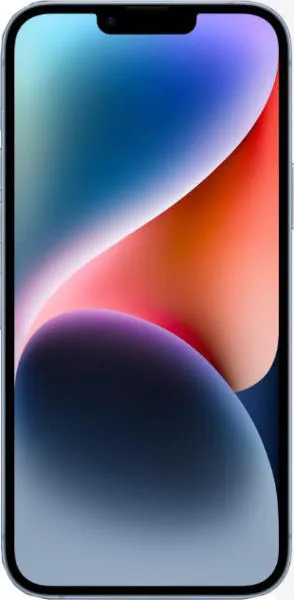
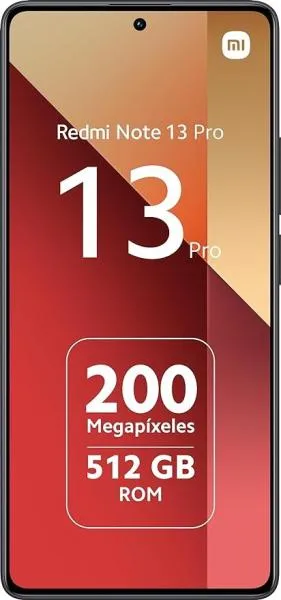
iPhone 14 Plus vs. Redmi Note 13 Pro 4G: A Deep Dive
Let's dissect the Apple iPhone 14 Plus and the Xiaomi Redmi Note 13 Pro 4G, two compelling smartphones vying for your attention in the mid-range market. We'll go beyond the spec sheet to understand what these numbers truly mean for your daily life.
1. Specifications Breakdown
| Feature | Apple iPhone 14 Plus | Xiaomi Redmi Note 13 Pro 4G | Real-World Implications |
|---|---|---|---|
| Design | |||
| Dimensions (mm) | 160.8 x 78.1 x 7.8 | 161.1 x 75 x 8 | iPhone 14 Plus is slightly thinner and narrower. Negligible difference in hand feel. |
| Weight (g) | 203 | 188 | Redmi is noticeably lighter, reducing hand fatigue during extended use. |
| Build Materials | Aluminum, Glass | Glass, Plastic Frame | iPhone boasts a more premium build with aluminum, contributing to durability and a more luxurious feel. |
| Display | |||
| Size (inches) | 6.7 | 6.67 | Virtually identical screen real estate. |
| Resolution (px) | 1284 x 2778 | 1080 x 2400 | iPhone has a sharper display with higher pixel density (458 ppi vs. 395 ppi), resulting in crisper text and images. |
| Panel Type | Super Retina XDR OLED | AMOLED | Both offer vibrant colors and deep blacks. iPhone's OLED might have slightly better color accuracy and brightness. |
| Refresh Rate (Hz) | 60 | 120 | Redmi's 120Hz display offers smoother scrolling and animations, leading to a more fluid user experience. |
| Performance | |||
| Chipset | Apple A15 Bionic | Mediatek Helio G99 Ultra | A15 is significantly more powerful, delivering superior performance in demanding tasks and gaming. |
| CPU | Hexa-core | Octa-core | Core count is less indicative of performance than architecture. A15's architecture provides a substantial edge. |
| RAM (GB) | 6 | 8/12 | Redmi offers more RAM, potentially benefiting multitasking, but A15's efficiency mitigates this advantage. |
| OS | iOS 16 | Android 13 | iOS is known for its simplicity and optimization, while Android offers greater customization. Personal preference plays a key role here. |
| Camera | |||
| Main Camera (MP) | 12 | 200 | Redmi boasts a higher megapixel count, but image quality depends on sensor size, processing, and other factors. |
| Video Recording | 4K@60fps | 1080p@60fps | iPhone supports higher resolution video recording with more advanced features like Cinematic mode. |
| Battery Life | |||
| Capacity (mAh) | 4323 | 5000 | Redmi has a larger battery capacity, suggesting longer usage time. Real-world battery life depends on usage patterns and optimization. |
2. Key Insights
The iPhone 14 Plus excels in raw performance thanks to the A15 Bionic chip, boasts a sharper display, and offers superior video recording capabilities. Its premium build quality also stands out. However, the Redmi Note 13 Pro 4G counters with a smoother 120Hz display, a larger battery, and a significantly lower price point. The Redmi's 200MP camera sensor also promises detailed photos, but real-world performance needs further evaluation.
3. User Profiles and Recommendations
iPhone 14 Plus: Ideal for users who prioritize performance, a polished user experience, and a premium device. Content creators will appreciate the advanced video features. Gamers will benefit from the powerful A15 chip.
Redmi Note 13 Pro 4G: A compelling choice for budget-conscious users who value a smooth display, long battery life, and a high-resolution camera. Suitable for everyday tasks, social media, and casual gaming.
4. Buying Decision Framework
- What is your budget? The Redmi Note 13 Pro 4G offers excellent value for its price.
- What are your performance needs? For demanding tasks and gaming, the iPhone 14 Plus is the clear winner.
- Which operating system do you prefer? iOS and Android offer distinct experiences.
My Choice: iPhone 14 Plus
While the Redmi Note 13 Pro 4G offers tempting features for its price, I would choose the iPhone 14 Plus. The A15 Bionic's significant performance advantage, coupled with the sharper display and superior video capabilities, outweighs the benefits of the Redmi's higher refresh rate and larger battery for my personal needs. I value a smooth and responsive experience above all else, and the A15's consistent performance aligns with my workflow. The premium build quality and the refined iOS ecosystem also contribute to my decision. While the Redmi's 200MP camera is intriguing, I prioritize consistent image quality and video features, areas where the iPhone traditionally excels. Ultimately, the long-term performance and overall user experience offered by the iPhone 14 Plus justify the higher price for me.
