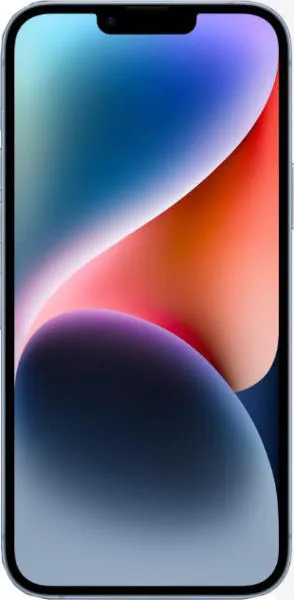
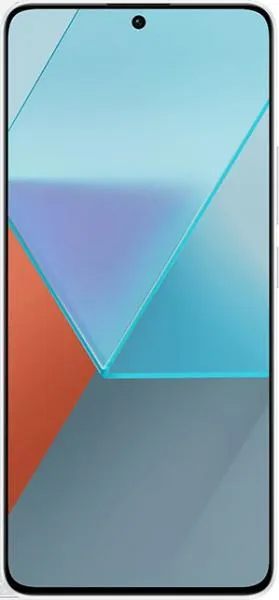
iPhone 14 Plus vs. Redmi Note 13 Pro: A Detailed Comparison
Let's dive deep into a comparative analysis of the Apple iPhone 14 Plus and the Xiaomi Redmi Note 13 Pro, dissecting their technical specifications and translating them into real-world implications for you.
1. Specifications Breakdown
| Feature | Apple iPhone 14 Plus | Xiaomi Redmi Note 13 Pro | Real-World Implications |
|---|---|---|---|
| Design | |||
| Dimensions (mm) | 160.8 x 78.1 x 7.8 | 161.2 x 74.2 x 8 | iPhone 14 Plus is slightly shorter and narrower, but a hair thinner. Negligible difference in hand. |
| Weight (g) | 203 | 187 | Redmi Note 13 Pro is noticeably lighter. |
| Build Materials | Aluminum & Glass | Glass & Plastic | iPhone boasts premium materials, potentially impacting durability and feel. |
| Display | |||
| Display Type | Super Retina XDR OLED | AMOLED | Both offer vibrant colors and deep blacks. |
| Display Size (in) | 6.7 | 6.67 | Virtually identical screen real estate. |
| Refresh Rate (Hz) | 60 | 120 | Redmi Note 13 Pro's 120Hz offers smoother scrolling and animations. |
| Peak Brightness | 1200 nits | 1800 nits | Redmi Note 13 Pro can get significantly brighter outdoors. |
| Performance | |||
| Chipset | A15 Bionic | Snapdragon 7s Gen 2 | A15 offers superior processing power and graphics performance, particularly for demanding tasks. |
| RAM (GB) | 6 | 8/12 | Redmi offers more RAM, potentially better multitasking, but A15 efficiency might offset this. |
| OS | iOS 16 | Android 13 | Preference-based, but iOS is known for its simplicity and long-term support. |
| Camera | |||
| Main Camera (MP) | 12 | 200 | Redmi boasts significantly higher resolution, potentially capturing more detail. |
| Video Recording | 4K@60fps | 4K@30fps | iPhone offers higher frame rate video recording for smoother footage. |
| Battery Life | |||
| Capacity (mAh) | 4323 | 5100 | Redmi Note 13 Pro has a larger battery, likely resulting in longer usage time. |
2. Key Insights
- Performance: The iPhone 14 Plus, with its A15 Bionic chip, significantly outperforms the Redmi Note 13 Pro in raw processing power. This translates to faster app loading, smoother gaming, and better performance in demanding tasks like video editing.
- Display: While both phones have excellent displays, the Redmi Note 13 Pro's 120Hz refresh rate provides a noticeable advantage in fluidity. However, the iPhone's superior color accuracy and HDR performance might be preferred by content creators.
- Camera: The Redmi Note 13 Pro boasts a massive 200MP main sensor, promising incredible detail. However, megapixels aren't everything. Apple's computational photography prowess and video capabilities, particularly in 4K@60fps, are strengths.
- Battery: The Redmi Note 13 Pro's larger battery likely provides longer usage on a single charge. The iPhone 14 Plus, however, benefits from iOS's power efficiency.
- Software and Ecosystem: A key difference lies in the operating systems. iOS is known for its simplicity, long-term software updates, and tight ecosystem integration. Android offers more customization options and flexibility.
3. User Profiles and Recommendations
- iPhone 14 Plus: Ideal for users prioritizing performance, a polished user experience, long-term software support, and a seamless ecosystem. Content creators who value video quality will also appreciate the iPhone's capabilities.
- Redmi Note 13 Pro: Suited for users seeking a smooth display, long battery life, and a high-resolution camera on a budget. Those comfortable with Android's customization and open ecosystem will find this a compelling option.
4. Buying Decision Framework
- What is your budget? The Redmi Note 13 Pro offers compelling value for its price.
- What operating system do you prefer? iOS and Android offer distinct experiences.
- What are your priorities? Raw performance, display smoothness, camera resolution, or battery life?
My Choice: As a tech journalist who values performance, a refined user experience, and a robust ecosystem for content creation, I would choose the iPhone 14 Plus. While the Redmi Note 13 Pro offers impressive specs for its price, the A15 Bionic's significant performance advantage, iOS's polish, and Apple's consistent software updates are crucial for my workflow. The superior video recording capabilities of the iPhone are also a deciding factor. While the 120Hz display and larger battery of the Redmi are tempting, the overall package of the iPhone 14 Plus aligns better with my needs.
