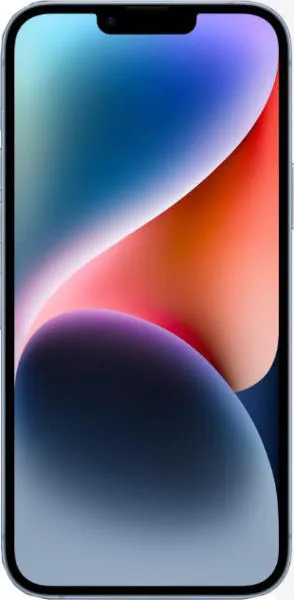
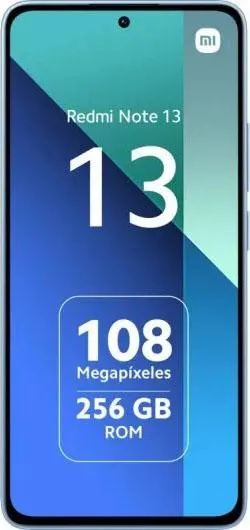
iPhone 14 Plus vs. Redmi Note 13 4G: A Detailed Comparison
Let's dive into a head-to-head comparison of the Apple iPhone 14 Plus and the Xiaomi Redmi Note 13 4G, dissecting their specifications and uncovering what they truly offer in real-world usage.
1. Specifications Breakdown
| Feature | Apple iPhone 14 Plus | Xiaomi Redmi Note 13 4G | Real-World Implications |
|---|---|---|---|
| Design | |||
| Dimensions (mm) | 160.8 x 78.1 x 7.8 | 162.3 x 75.6 x 8 | iPhone 14 Plus is slightly shorter and thinner. Negligible difference in daily handling. |
| Weight (g) | 203 | 188.5 | Redmi Note 13 4G is noticeably lighter, reducing hand fatigue during extended use. |
| Build Materials | Aluminum & Glass | Plastic Frame & Glass | iPhone boasts premium materials contributing to durability and a more premium feel. |
| Display | |||
| Size (inches) | 6.7 | 6.67 | Virtually identical screen real estate. |
| Resolution (px) | 1284 x 2778 | 1080 x 2400 | iPhone 14 Plus offers significantly sharper visuals due to higher pixel density (458 vs. 395 PPI). |
| Display Type | Super Retina XDR OLED | AMOLED | Both offer vibrant colors and deep blacks. iPhone's OLED is renowned for its superior color accuracy. |
| Refresh Rate (Hz) | 60 | 120 | Redmi Note 13 4G provides smoother scrolling and animations thanks to its higher refresh rate. |
| Performance | |||
| Chipset | A15 Bionic (5 nm) | Snapdragon 685 (6 nm) | iPhone 14 Plus delivers significantly faster processing and graphics performance. |
| CPU | Hexa-core | Octa-core | iPhone's A15 chip, despite fewer cores, outperforms the Snapdragon 685 in benchmarks and real-world tasks. |
| RAM (GB) | 6 | 8 | More RAM on Redmi Note 13 4G aids multitasking, but the iPhone's superior chip management often compensates. |
| Camera | |||
| Main Camera (MP) | 12 | 108 | Redmi Note 13 4G boasts higher megapixel count, but image quality depends on factors beyond resolution. |
| Video Recording | 4K@60fps | 1080p@30fps | iPhone 14 Plus offers significantly higher resolution and frame rate video recording capabilities. |
| Battery Life | |||
| Capacity (mAh) | 4323 | 5000 | Redmi Note 13 4G has a larger battery capacity, suggesting longer potential usage time. |
2. Key Insights
- Performance: The iPhone 14 Plus dramatically outperforms the Redmi Note 13 4G due to its powerful A15 Bionic chip. This translates to faster app loading, smoother gaming, and a more responsive overall experience.
- Display: While both phones offer excellent displays, the iPhone 14 Plus edges out with its higher resolution, leading to sharper text and images. The Redmi Note 13 4G's 120Hz refresh rate provides a smoother visual experience, especially noticeable in scrolling and gaming.
- Camera: The iPhone 14 Plus excels in video recording, offering 4K at 60fps, while the Redmi Note 13 4G is limited to 1080p at 30fps. While the Redmi Note 13 4G boasts a 108MP main sensor, real-world image quality will depend on factors beyond resolution, such as sensor size and image processing. Expect the iPhone to consistently deliver excellent image quality.
- Battery Life: The Redmi Note 13 4G's larger 5000mAh battery likely provides longer battery life compared to the iPhone 14 Plus's 4323mAh battery. However, real-world usage patterns and software optimization play significant roles in actual battery performance.
3. User Profiles and Recommendations
- iPhone 14 Plus: Ideal for users prioritizing performance, premium design, a vibrant ecosystem, consistent camera quality, and long-term software support. This is a phone for those who want a device that "just works" and offers a seamless user experience.
- Redmi Note 13 4G: Best suited for budget-conscious users who prioritize battery life, a large display, and adequate performance for everyday tasks. This is a good option for those seeking value for their money and are less demanding in terms of raw processing power or cutting-edge features.
4. Buying Decision Framework
- What is your budget? The iPhone 14 Plus is significantly more expensive.
- What are your performance needs? For demanding tasks like gaming or video editing, the iPhone 14 Plus is the clear winner.
- How important is battery life? If all-day battery life is paramount, the Redmi Note 13 4G's larger battery may be more appealing.
My Choice: iPhone 14 Plus
While the Redmi Note 13 4G offers excellent value, I would choose the iPhone 14 Plus. The superior performance, refined software experience, consistent camera quality, and the promise of long-term software updates are compelling. The price premium is significant, but for me, the overall user experience and longevity that the iPhone offers justify the investment. I value having a device that consistently performs well, captures great photos and videos, and receives software updates for years to come. The A15 Bionic chip ensures the iPhone 14 Plus will remain a capable device for an extended period, mitigating the need for frequent upgrades. This long-term value proposition, coupled with the polished ecosystem, makes the iPhone 14 Plus the winner in my book.
