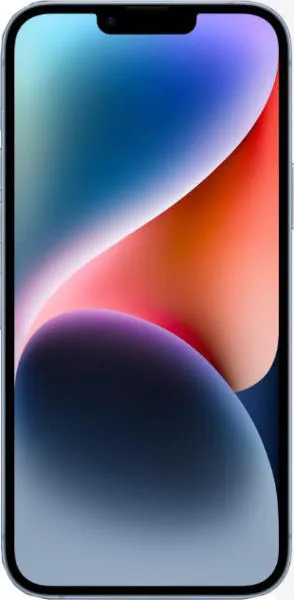
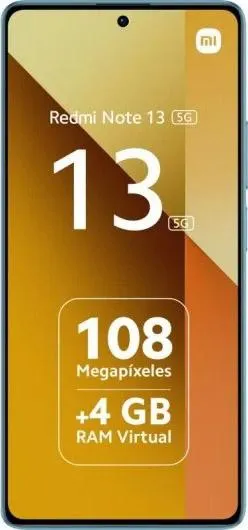
iPhone 14 Plus vs. Redmi Note 13: A Deep Dive
Let's dissect the Apple iPhone 14 Plus and the Xiaomi Redmi Note 13, translating their spec sheets into real-world experiences.
1. Specifications Breakdown
| Feature | Apple iPhone 14 Plus | Xiaomi Redmi Note 13 | Real-World Implications |
|---|---|---|---|
| Design | |||
| Dimensions (mm) | 160.8 x 78.1 x 7.8 | 161.1 x 75 x 7.6 | iPhone 14 Plus is slightly shorter and wider; Redmi Note 13 is thinner. Negligible differences. |
| Weight (g) | 203 | 174.5 | Redmi Note 13 is noticeably lighter, reducing hand fatigue. |
| Build Materials | Aluminum & Glass | Plastic Frame, Glass Front and Back | iPhone boasts premium materials, potentially impacting durability and feel. |
| Display | |||
| Size (inches) | 6.7 | 6.67 | Virtually identical screen real estate. |
| Resolution (px) | 1284 x 2778 | 1080 x 2400 | iPhone 14 Plus has a sharper display with higher pixel density (458 vs. 395 PPI). |
| Panel Type | Super Retina XDR OLED | AMOLED | Both offer vibrant colors and deep blacks. iPhone's XDR potentially offers better HDR performance. |
| Refresh Rate (Hz) | 60 | 120 | Redmi Note 13's 120Hz display provides smoother scrolling and animations. |
| Performance | |||
| Chipset | A15 Bionic (5nm) | Dimensity 6080 (6nm) | A15 is significantly more powerful, resulting in faster app loading, smoother gaming, etc. |
| CPU | Hexa-core | Octa-core | Core count doesn't directly equate to performance; A15's architecture is superior. |
| GPU | Apple GPU (5-core) | Mali-G57 MC2 | A15's GPU offers a considerable performance advantage for graphically demanding tasks. |
| RAM (GB) | 6 | 8/12 | Redmi Note 13 offers more RAM, but A15's efficiency may offset this in real-world usage. |
| Camera | |||
| Main Camera (MP) | 12 MP | 108 MP | Redmi Note 13 boasts higher resolution, potentially capturing more detail in ideal conditions. |
| Video | 4K@60fps | 1080p@30fps | iPhone 14 Plus offers superior video recording capabilities. |
| Battery Life | |||
| Capacity (mAh) | 4323 | 5000 | Redmi Note 13 has a larger battery capacity, potentially translating to longer usage time. |
2. Key Insights
- Performance: The iPhone 14 Plus, powered by the A15 Bionic, significantly outperforms the Redmi Note 13 in processing power and graphics capabilities. This translates to a smoother, faster user experience across all tasks, especially demanding ones like gaming and video editing.
- Display: While both phones offer excellent displays, the iPhone 14 Plus edges out the Redmi Note 13 with its slightly sharper resolution. However, the Redmi Note 13's 120Hz refresh rate provides a more fluid user experience, noticeable in scrolling and animations.
- Camera: The Redmi Note 13 boasts a higher megapixel count on its main camera, but megapixels alone don't tell the whole story. iPhone is known for its superior image processing and video capabilities, evident in its 4K@60fps recording versus the Redmi Note 13's 1080p@30fps.
- Battery: The Redmi Note 13's larger battery likely results in longer usage time on a single charge. However, the A15 Bionic's efficiency might narrow the gap in real-world usage.
3. User Profiles and Recommendations
- iPhone 14 Plus: Ideal for users who prioritize performance, a premium user experience, and a polished ecosystem. Excellent for power users, gamers, content creators, and those who value a seamless software experience. The higher price tag reflects its premium features.
- Redmi Note 13: Best suited for budget-conscious users who want a large screen, smooth display, and all-day battery life. It's a solid choice for everyday tasks, social media, web browsing, and casual gaming.
4. Buying Decision Framework
- What is your budget? The iPhone 14 Plus is significantly more expensive.
- What are your performance needs? For demanding tasks, the iPhone 14 Plus is the clear winner.
- Which features matter most? Prioritize a smooth display (Redmi Note 13) or a sharper one with better HDR (iPhone 14 Plus). Consider battery life (Redmi Note 13) versus overall performance and video quality (iPhone 14 Plus).
My Choice: iPhone 14 Plus
While the Redmi Note 13 offers impressive value for its price, I would choose the iPhone 14 Plus. The superior performance of the A15 Bionic, the refined software experience of iOS, and the consistently high quality of Apple's hardware are compelling. For me, the long-term value and consistent performance of the iPhone 14 Plus outweigh the Redmi Note 13's advantages in battery size and refresh rate. The price difference is significant, but I am willing to invest in a device that will provide a smoother, more powerful experience for years to come. I also heavily value the video recording capabilities of the iPhone, a feature I use frequently.
