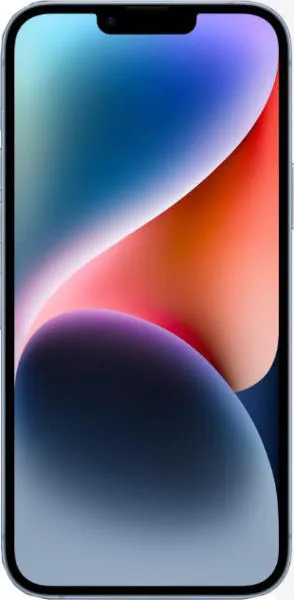
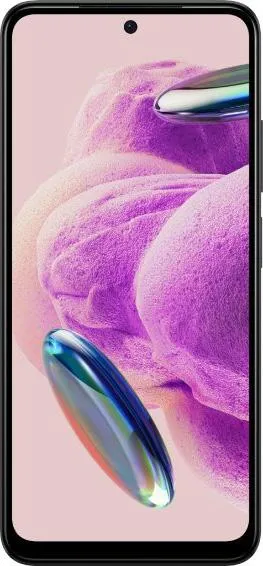
Let's dive into a comparative analysis of the Apple iPhone 14 Plus and the Xiaomi Redmi Note 12S, dissecting their technical specifications and translating them into real-world implications for you.
1. Specifications Breakdown
| Feature | Apple iPhone 14 Plus | Xiaomi Redmi Note 12S | Real-World Implications | |
|---|---|---|---|---|
| Design | ||||
| Dimensions (mm) | 160.8 x 78.1 x 7.8 | 159.9 x 73.9 x 8.1 | iPhone 14 Plus is slightly larger but thinner. Negligible difference in hand feel for most users. | |
| Weight (g) | 203 | 176 | Redmi Note 12S is noticeably lighter, reducing hand fatigue during extended use. | |
| Build Materials | Aluminum & Glass | Plastic Frame, Glass Front & Back | iPhone boasts superior durability and premium feel. Redmi prioritizes lighter weight. | |
| Display | ||||
| Display Type | Super Retina XDR OLED | AMOLED | Both offer vibrant colors and deep blacks. OLED generally provides better contrast and power efficiency. | |
| Display Size | 6.7" | 6.43" | iPhone 14 Plus offers a slightly larger screen for more immersive content consumption. | |
| Resolution | 1284 x 2778 | 1080 x 2400 | iPhone has a sharper display with higher pixel density, resulting in crisper text and images. | |
| Refresh Rate | 60Hz | 90Hz | Redmi Note 12S offers smoother scrolling and animations thanks to the higher refresh rate. | |
| Performance | ||||
| Chipset | Apple A15 Bionic | Mediatek Helio G96 | A15 is significantly more powerful, enabling smoother multitasking and demanding gaming. | |
| CPU | Hexa-core | Octa-core | Core count doesn't directly equate to performance; A15's architecture and individual core performance are superior. | |
| GPU | Apple GPU (5-core) | Mali-G57 MC2 | iPhone's GPU delivers significantly better graphics performance for gaming and visually intensive tasks. | |
| RAM | 6GB | 6GB/8GB | While RAM is comparable, the A15's superior memory management makes the iPhone more efficient. | |
| Camera | ||||
| Main Camera | 12MP f/1.5 | 108MP f/1.9 | While Redmi boasts higher resolution, iPhone's larger sensor and advanced image processing typically result in better overall image quality, especially in low light. | |
| Ultrawide | 12MP f/2.4 | 8MP f/2.2 | iPhone offers a higher resolution ultrawide with a wider field of view. | |
| Video | 4K@60fps | 1080p@30fps | iPhone significantly outperforms in video recording capabilities, offering higher resolution and frame rates. | |
| Battery Life | ||||
| Capacity | 4323 mAh | 5000 mAh | Redmi Note 12S has a larger battery capacity. However, real-world battery life depends on optimization; A15's efficiency could offset the capacity difference. |
2. Key Insights
iPhone 14 Plus: The clear winner in performance, display quality (sharpness), and overall camera quality, particularly video recording. Its premium build and longer software support cycle are compelling advantages. However, it comes at a significantly higher price.
Redmi Note 12S: Offers a compelling value proposition with a larger battery, smoother 90Hz display, and a very respectable 108MP main camera for stills. Its performance is suitable for everyday tasks but won't match the iPhone's prowess in demanding applications or gaming.
3. User Profiles and Recommendations
iPhone 14 Plus: Ideal for users prioritizing performance, a premium user experience, longevity with software updates, high-quality camera, especially for video, and who are willing to pay a premium. Excellent for content creation, gaming, and demanding tasks.
Redmi Note 12S: Best suited for budget-conscious users who prioritize battery life, a smooth display for everyday use, and good still photography. A solid choice for social media, web browsing, and light gaming.
4. Buying Decision Framework
- What is your budget? The iPhone 14 Plus is significantly more expensive.
- What are your performance needs? For demanding tasks and gaming, the iPhone 14 Plus is far superior.
- What features are most important to you? Prioritize battery life and a smooth display? Lean towards the Redmi. Prioritize camera quality, performance, and longevity? The iPhone is the better choice.
My Choice
If I were choosing between these two, I would opt for the iPhone 14 Plus. While the Redmi Note 12S offers excellent value, my priorities lie in long-term performance, consistent software updates, a refined user experience, and a superior camera system, especially for video. The A15 Bionic chip's significant performance advantage ensures the phone remains smooth and responsive for years to come, and Apple's commitment to software updates provides a longer lifespan. While the price premium is substantial, the overall user experience and longevity of the iPhone 14 Plus justify the investment for me. The superior build quality and water resistance also factor into my decision, as I value durability.
