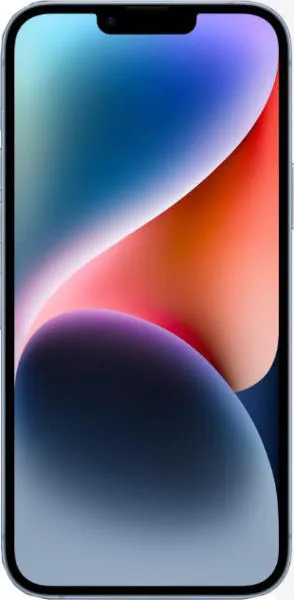
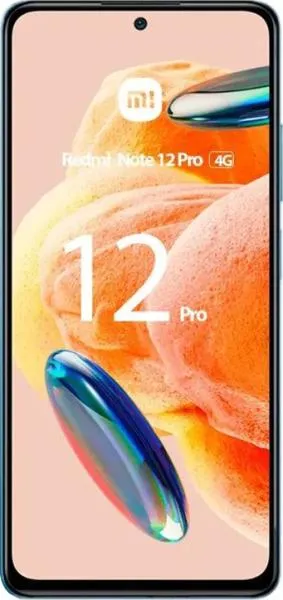
iPhone 14 Plus vs. Redmi Note 12 Pro 4G: A Detailed Comparison
Let's dive into a head-to-head comparison of the Apple iPhone 14 Plus and the Xiaomi Redmi Note 12 Pro 4G. We'll dissect the specs, translate them into real-world experiences, and help you decide which phone might be your perfect fit.
1. Specifications Breakdown
| Feature | Apple iPhone 14 Plus | Xiaomi Redmi Note 12 Pro 4G | Real-World Implications |
|---|---|---|---|
| Design | |||
| Dimensions (mm) | 160.8 x 78.1 x 7.8 | 164.2 x 76.1 x 8.1 | iPhone 14 Plus is slightly shorter, narrower, and thinner. |
| Weight (g) | 203 | 201.8 | Negligible weight difference. |
| Build Materials | Aluminum & Glass | Glass & plastic frame | iPhone generally offers a more premium feel with its aluminum frame. Redmi Note 12 Pro could feel less substantial |
| Display | |||
| Size (inches) | 6.7 | 6.67 | Virtually identical screen real estate. |
| Resolution (px) | 1284 x 2778 | 1080 x 2400 | iPhone boasts a sharper display with higher pixel density (458 ppi vs. 395 ppi), resulting in crisper text and images. |
| Display Type | Super Retina XDR OLED | AMOLED | Both offer vibrant colors and deep blacks. iPhone's OLED might offer slightly better color accuracy and peak brightness. |
| Refresh Rate | 60Hz | 120Hz | Redmi Note 12 Pro's higher refresh rate delivers smoother scrolling and animations, making the user experience feel more fluid. |
| Performance | |||
| Chipset | Apple A15 Bionic | Snapdragon 732G | A15 Bionic significantly outperforms the Snapdragon 732G, offering superior processing power for demanding tasks and gaming. |
| RAM (GB) | 6 | 8 | More RAM on the Redmi Note 12 Pro can aid in multitasking, but the A15's raw power will likely lead to better overall performance. |
| OS | iOS 16 | Android 11 | iOS is known for its simplicity and optimization, while Android offers greater customization. Personal preference plays a role here. |
| Camera | |||
| Main Camera (MP) | 12 | 108 | Higher megapixel count on Redmi doesn't guarantee better image quality. iPhone's image processing and sensor quality are key. |
| Video Recording | 4K@60fps | 4K@30fps | iPhone offers superior video recording capabilities with higher resolution and frame rates. |
| Battery Life | |||
| Capacity (mAh) | 4323 | 5000 | Redmi Note 12 Pro has a larger battery capacity, potentially offering longer usage time. Real-world battery life depends on usage. |
2. Key Insights
- Performance: The iPhone 14 Plus, powered by the A15 Bionic chip, is a performance powerhouse. It will handle demanding tasks, gaming, and multitasking with ease. The Redmi Note 12 Pro, while decent, lags behind in processing power.
- Display: While both phones have large, vibrant displays, the iPhone edges out the Redmi with its superior sharpness due to the higher resolution. However, the Redmi Note 12 Pro's 120Hz refresh rate offers a noticeable advantage in terms of smooth scrolling and animations. This makes everyday interactions feel more fluid and responsive.
- Camera: iPhone consistently excels in camera performance, especially in video recording. While the Redmi Note 12 Pro boasts a higher megapixel count, the iPhone's advanced image processing and sensor technology generally result in superior image quality, especially in challenging lighting conditions. iPhone's video capabilities are also notably better, with support for 4K at 60fps and cinematic mode.
- Software and Ecosystem: iOS is known for its simplicity, seamless integration, and long-term software support. Android offers greater customization but can vary in terms of updates and consistency across manufacturers.
3. User Profiles and Recommendations
- iPhone 14 Plus: Ideal for users who prioritize performance, a polished user experience, long-term software updates, and a top-tier camera, especially for video. If you're already invested in the Apple ecosystem, this is a natural choice.
- Redmi Note 12 Pro 4G: Suitable for budget-conscious users who value a large, smooth display with a high refresh rate and long battery life. If you prefer Android's customization options and need a capable all-rounder without breaking the bank, this is a solid option.
4. Buying Decision Framework
- What is your budget? The iPhone 14 Plus is significantly more expensive.
- What is your priority? Performance and camera? Choose the iPhone. Smooth display and battery life on a budget? Choose the Redmi.
- What operating system do you prefer? iOS or Android?
My Choice: iPhone 14 Plus
While the Redmi Note 12 Pro 4G offers compelling features for its price, I would choose the iPhone 14 Plus. The superior performance of the A15 Bionic, the consistently excellent camera quality, particularly in video recording, and the long-term software support offered by Apple are decisive factors for me. I value a smooth and responsive user experience, and while the Redmi's 120Hz display delivers in that regard, the overall performance advantage of the iPhone, coupled with its premium build quality and refined software, makes it the winner in my book. I'm willing to invest more for a device that will provide a consistently excellent experience for years to come. The smoothness of iOS and the app ecosystem solidify my choice.
