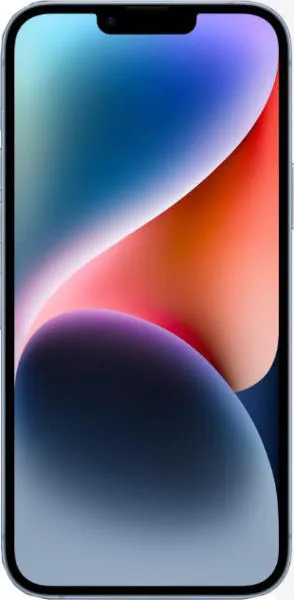
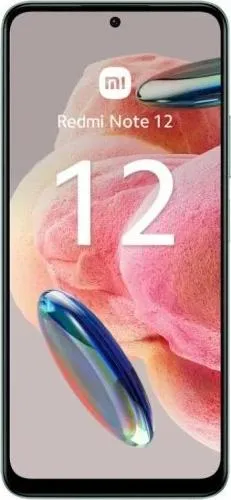
iPhone 14 Plus vs. Redmi Note 12 4G: A Deep Dive for the Discerning User
The smartphone market offers a dizzying array of choices, and deciding between two seemingly similar devices can be challenging. Today, we'll dissect the Apple iPhone 14 Plus and the Xiaomi Redmi Note 12 4G, delving beyond the spec sheets to uncover what truly matters: the real-world user experience.
1. Specifications Breakdown
| Feature | Apple iPhone 14 Plus | Xiaomi Redmi Note 12 4G | Real-World Implications |
|---|---|---|---|
| Design | |||
| Dimensions (mm) | 160.8 x 78.1 x 7.8 | 165.7 x 76 x 7.9 | iPhone 14 Plus is slightly smaller, potentially more pocketable. |
| Weight (g) | 203 | 183.5 | Redmi Note 12 4G is noticeably lighter. |
| Build Materials | Aluminum & Glass | Plastic & Glass | iPhone boasts a more premium feel; Redmi prioritizes lightness. |
| Display | |||
| Size (inches) | 6.7 | 6.67 | Virtually identical screen real estate. |
| Resolution (px) | 1284 x 2778 | 1080 x 2400 | iPhone has a sharper, more detailed display. |
| Panel Type | Super Retina XDR OLED | AMOLED E2 Pro | Both offer vibrant colors and deep blacks, but iPhone's is superior in brightness and color accuracy. |
| Refresh Rate (Hz) | 60 | 120 | Redmi's 120Hz offers smoother scrolling and animations. |
| Performance | |||
| Chipset | Apple A15 Bionic | Snapdragon 685 | iPhone's A15 significantly outperforms the Snapdragon 685 in processing power and graphics rendering. |
| CPU | Hexa-core | Octa-core | Core count doesn't tell the whole story; iPhone's cores are individually more powerful. |
| RAM (GB) | 6 | 4/6/8 | While Redmi offers more RAM options, iPhone's optimized OS requires less RAM for smooth performance. |
| Camera | |||
| Main Camera (MP) | 12 | 50 | Redmi boasts higher megapixel count, but image quality depends on factors beyond resolution. iPhone generally produces better low-light photos and videos. |
| Video Recording | Up to 4K@60fps | Up to 1080p@30fps | iPhone offers significantly higher resolution and frame rate video recording capabilities. |
| Battery Life | |||
| Capacity (mAh) | 4323 | 5000 | Redmi has a larger battery capacity on paper. |
| Charging | Fast Charging | Fast Charging | Both offer fast charging, but specifics (wattage) are missing from provided data. |
2. Key Insights
The iPhone 14 Plus, despite being a generation older, demonstrably outperforms the Redmi Note 12 4G in key areas like processing power, display quality, and video recording. The A15 Bionic chip provides a substantial performance advantage, translating to smoother multitasking, faster app loading, and superior gaming capabilities. The Super Retina XDR display offers a visual feast with its higher resolution, superior brightness, and color accuracy.
The Redmi Note 12 4G claws back some ground with its higher refresh rate display, potentially providing a smoother user experience for everyday tasks like scrolling and browsing. Its larger battery capacity suggests longer battery life, although real-world usage can vary. The Redmi also offers a more affordable price point, making it an attractive option for budget-conscious consumers.
3. User Profiles and Recommendations
iPhone 14 Plus: Ideal for users who prioritize performance, a premium user experience, and a top-tier camera. This includes content creators, mobile gamers, and those who value a polished and seamless mobile experience.
Redmi Note 12 4G: A good fit for users who are primarily concerned with affordability and battery life. It's suitable for casual users who primarily use their phones for social media, browsing, and basic communication. The higher refresh rate display will also appeal to those sensitive to smooth scrolling.
4. Buying Decision Framework
Questions to Ask Yourself:
- What is your budget? The Redmi Note 12 4G offers significantly better value for money.
- What are your primary use cases? Demanding tasks like gaming and content creation benefit from the iPhone's power; casual usage is well-served by the Redmi.
- How important are long-term software updates and ecosystem integration? The iPhone typically receives longer software support and seamlessly integrates with other Apple devices.
My Choice: The iPhone 14 Plus
While the Redmi Note 12 4G offers excellent value, I would choose the iPhone 14 Plus. The superior performance, display, and camera system are crucial for my workflow as a tech journalist. The A15 Bionic ensures smooth multitasking and effortless handling of demanding apps, while the exceptional display allows me to critically evaluate visuals and media content. Although the Redmi's higher refresh rate is tempting, the overall quality of the iPhone's Super Retina XDR display, particularly its brightness and color accuracy, is more important to me. Furthermore, the longer software support and ecosystem integration offered by Apple align better with my long-term needs. The price difference is significant, but the performance gap and overall user experience justify the premium for my specific requirements.
