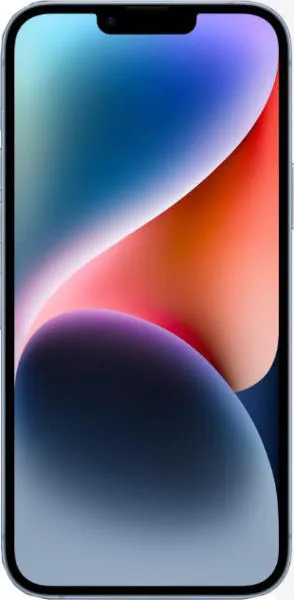
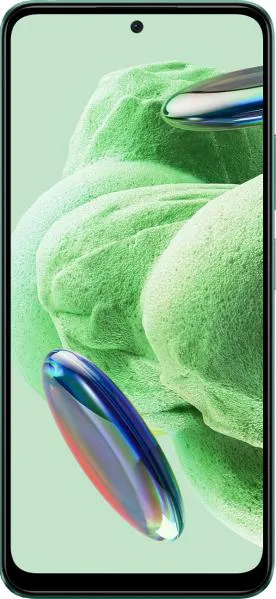
iPhone 14 Plus vs. Redmi Note 12: A Detailed Comparison
Let's dive into a head-to-head comparison of the Apple iPhone 14 Plus and the Xiaomi Redmi Note 12, dissecting their specifications and uncovering what they truly offer users in the real world.
1. Specifications Breakdown
| Feature | Apple iPhone 14 Plus | Xiaomi Redmi Note 12 | Real-World Implications |
|---|---|---|---|
| Design | |||
| Dimensions (mm) | 160.8 x 78.1 x 7.8 | 165.9 x 76.2 x 8 | iPhone 14 Plus is slightly smaller and thinner. Redmi Note 12 is slightly lighter. |
| Weight (g) | 203 | 188 | Negligible difference in daily handling. |
| Build Materials | Aluminum & Glass | Aluminum & Glass | Both offer a premium feel. Durability may vary slightly. |
| Display | |||
| Size (inches) | 6.7 | 6.67 | Virtually identical screen real estate. |
| Resolution (px) | 1284 x 2778 | 1080 x 2400 | iPhone boasts significantly sharper visuals due to higher pixel density (458 vs 395 PPI). |
| Panel Type | Super Retina XDR OLED | AMOLED | Both offer vibrant colors and deep blacks. iPhone's display likely has higher brightness and HDR. |
| Refresh Rate (Hz) | 60 | 120 | Redmi Note 12's 120Hz display provides smoother scrolling and animations. |
| Performance | |||
| Chipset | A15 Bionic (5nm) | Snapdragon 4 Gen 1 (6nm) | iPhone's A15 chip offers significantly faster CPU and GPU performance, impacting app speed and gaming. |
| RAM (GB) | 6 | 4/6/8 | iPhone's optimized OS may perform similarly to Redmi with higher RAM, but A15 still holds advantage. |
| OS | iOS 16 | Android 12 | iOS is known for its simplicity and long-term support. Android offers more customization. |
| Camera | |||
| Rear Camera (MP) | 12 + 12 | 48 + 8 + 2 | Megapixels don't tell the whole story. iPhone excels in image processing and video quality. |
| Front Camera (MP) | 12 | 13 | Image quality will depend more on sensor and software processing than megapixel count. |
| Video Recording | Up to 4K@60fps | Up to 1080p@30fps | iPhone offers superior video resolution and frame rates. |
| Battery Life | |||
| Capacity (mAh) | 4323 | 5000 | Redmi Note 12 has a larger battery. Real-world battery life depends on usage and optimization. |
2. Key Insights
- Performance: The iPhone 14 Plus's A15 Bionic chip drastically outperforms the Redmi Note 12's Snapdragon 4 Gen 1, resulting in a smoother, faster experience across all tasks.
- Display: While both phones have large, vibrant displays, the iPhone's higher resolution and likely superior HDR capabilities provide a noticeable difference in visual quality. The Redmi Note 12's 120Hz refresh rate offers smoother scrolling.
- Camera: The iPhone 14 Plus is expected to produce superior image and video quality due to Apple's advanced image processing. While the Redmi Note 12 boasts higher megapixel counts, real-world performance will likely favor the iPhone.
- Battery Life: The Redmi Note 12 has a larger battery capacity, but iOS optimization could mean the iPhone 14 Plus achieves comparable or even better battery life.
3. User Profiles and Recommendations
- iPhone 14 Plus: Ideal for users prioritizing performance, premium display quality, a polished user experience, long-term software support, and top-notch camera capabilities. Best for power users, content creators, and those seeking a seamless mobile experience.
- Redmi Note 12: Suited for budget-conscious users who value a large display with a high refresh rate, decent battery life, and acceptable performance for everyday tasks. Best for casual users, students, and those primarily using their phone for social media, browsing, and light gaming.
4. Buying Decision Framework
- What is your budget? The iPhone 14 Plus is significantly more expensive.
- What are your performance needs? For demanding tasks and gaming, the iPhone 14 Plus is the clear winner.
- Which operating system do you prefer? iOS is known for simplicity and longevity, while Android offers more customization.
Scenario-Based Recommendations:
- Heavy User: If you need a powerful phone for demanding tasks, the iPhone 14 Plus is worth the investment.
- Casual User: If your usage is primarily light tasks and social media, the Redmi Note 12 offers great value for its price.
- Gamer: The iPhone 14 Plus provides significantly better gaming performance.
My Choice: iPhone 14 Plus
While the Redmi Note 12 offers a compelling price-to-feature ratio, I would choose the iPhone 14 Plus. As a tech journalist focused on long-term value and overall user experience, the iPhone's superior performance, display quality, camera capabilities, and software support are crucial. The A15 Bionic chip ensures a future-proof experience, and Apple's commitment to software updates means the phone will remain relevant for years to come. While the price premium is substantial, the overall quality and longevity of the iPhone 14 Plus justify the investment for my needs. The smoother performance and consistent software updates are invaluable for my workflow. A higher refresh rate is nice, but not at the expense of overall performance and ecosystem integration.
