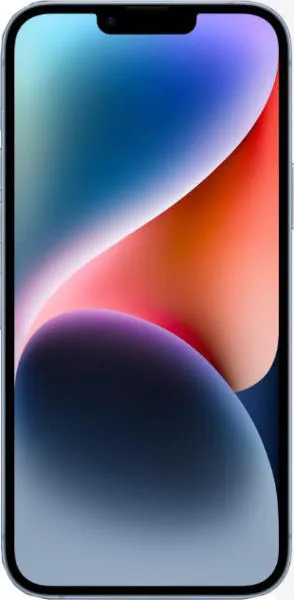
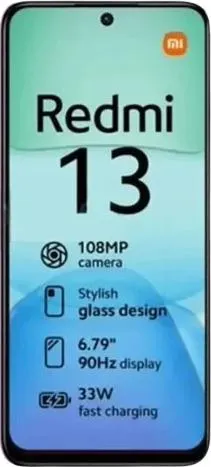
iPhone 14 Plus vs. Xiaomi Redmi 13: A Detailed Comparison
Let's dive deep into a comparative analysis of the Apple iPhone 14 Plus and the Xiaomi Redmi 13, dissecting their technical specifications and translating them into real-world implications for you.
1. Specifications Breakdown
| Feature | Apple iPhone 14 Plus | Xiaomi Redmi 13 | Real-World Implications |
|---|---|---|---|
| Design | |||
| Dimensions (mm) | 160.8 x 78.1 x 7.8 | 168.6 x 76.3 x 8.3 | iPhone 14 Plus is slightly smaller and thinner. Redmi 13 might feel bulkier. |
| Weight (g) | 203 | 205 | Negligible weight difference; both feel substantial in hand. |
| Build Materials | Aluminum & Glass | Plastic Frame | iPhone boasts premium materials, contributing to durability and aesthetics. Redmi prioritizes affordability. |
| Display | |||
| Display Type | Super Retina XDR OLED | IPS LCD | iPhone's OLED delivers richer blacks, vibrant colors, and better contrast, resulting in a superior visual experience. |
| Size (inches) | 6.7 | 6.79 | Virtually identical screen real estate. |
| Resolution (px) | 1284 x 2778 | 1080 x 2460 | iPhone packs significantly higher pixel density (458 ppi vs. 396 ppi), leading to sharper text and images. |
| Refresh Rate (Hz) | 60 | 90 | Redmi 13's 90Hz offers smoother scrolling and animations, though less noticeable due to LCD limitations. |
| Performance | |||
| Chipset | Apple A15 Bionic | MediaTek Helio G91 | A15 is significantly more powerful, resulting in faster app loading, smoother multitasking, and better gaming. |
| CPU | Hexa-core | Octa-core | Core count alone doesn't determine performance; A15's architecture and single-core performance are superior. |
| RAM (GB) | 6 | 8 | While Redmi has more RAM, iPhone's optimized OS requires less RAM for smooth operation. |
| Camera | |||
| Main Camera (MP) | 12 | 108 | Higher megapixel count on Redmi doesn't guarantee better image quality; iPhone excels in image processing. |
| Video Recording | 4K@60fps | 1080p@30fps | iPhone offers superior video resolution and frame rates, crucial for capturing high-quality footage. |
| Battery Life | |||
| Capacity (mAh) | 4323 | 5030 | Redmi 13 boasts a larger battery, potentially translating to longer usage time. Real-world usage will vary. |
2. Key Insights
- Performance: The iPhone 14 Plus, powered by the A15 Bionic chip, significantly outperforms the Redmi 13 in processing power and graphics capabilities. This translates to a smoother, more responsive user experience, especially in demanding tasks like gaming and video editing. The Redmi 13's Helio G91 is capable for everyday tasks but will show its limitations under heavy load.
- Display: The iPhone's Super Retina XDR OLED display offers a vastly superior visual experience with richer colors, deeper blacks, and higher sharpness compared to the Redmi 13's IPS LCD. While the Redmi 13 has a faster refresh rate, the difference might be less noticeable because of the inherent limitations of LCD technology.
- Camera: While the Redmi 13 boasts a 108MP main camera, the iPhone 14 Plus excels in overall image quality due to Apple's advanced image processing algorithms. This translates to better detail, dynamic range, and low-light performance. iPhone also offers significantly better video recording capabilities.
- Battery: The Redmi 13 packs a larger battery, promising longer usage on a single charge. However, real-world battery life depends on various factors including usage patterns and software optimization.
3. User Profiles and Recommendations
- iPhone 14 Plus: Ideal for users who prioritize performance, a premium user experience, a stunning display, and excellent camera quality. This includes content creators, mobile gamers, and those who value a seamless and polished mobile experience.
- Xiaomi Redmi 13: Best suited for budget-conscious users who prioritize battery life and a large screen for media consumption. It's a good option for casual users who primarily use their phones for social media, browsing, and basic tasks.
4. Buying Decision Framework
- What is your budget? The Redmi 13 is significantly more affordable, making it a compelling option for budget-conscious buyers.
- What are your primary use cases? If performance and camera quality are paramount, the iPhone 14 Plus is the clear winner. If battery life and affordability are top priorities, the Redmi 13 is a strong contender.
- Do you value a premium user experience? The iPhone 14 Plus offers a more refined and polished overall experience thanks to its superior hardware, software integration, and build quality.
My Choice: iPhone 14 Plus
While the Redmi 13 offers excellent value for its price, I would choose the iPhone 14 Plus. The significantly superior performance, stunning display, and excellent camera system are crucial for my workflow as a tech journalist. I often need to quickly edit photos and videos, run demanding apps, and multitask efficiently. The premium build quality and seamless iOS experience are also major factors in my decision. While battery life is important, I'm willing to prioritize the other advantages of the iPhone 14 Plus. I often use my phone for extended periods, and the A15 Bionic's efficiency combined with optimized software should deliver acceptable battery life for my needs. Ultimately, the iPhone 14 Plus offers a level of performance and overall quality that justifies the higher price for my specific requirements.
