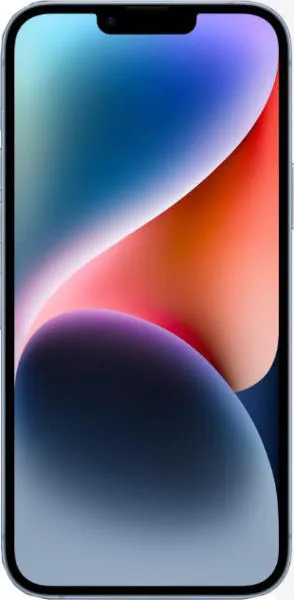
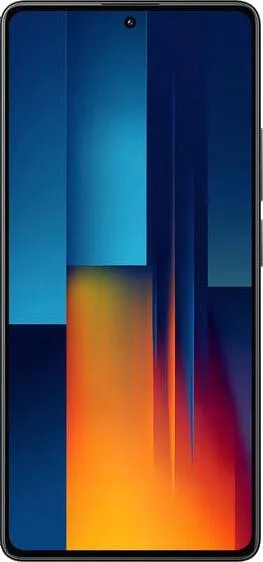
iPhone 14 Plus vs. Poco M6 Pro: A Deep Dive for the Discerning User
The smartphone market offers a dizzying array of choices, and deciding between two seemingly similar devices can be challenging. Today, we'll dissect the Apple iPhone 14 Plus and the Xiaomi Poco M6 Pro, two "medium priced" contenders with distinct personalities. Our goal? To equip you with the knowledge to choose the phone that truly fits your needs.
1. Specifications Breakdown
| Feature | Apple iPhone 14 Plus | Xiaomi Poco M6 Pro | Real-World Implications |
|---|---|---|---|
| Design | |||
| Dimensions (mm) | 160.8 x 78.1 x 7.8 | 161.1 x 75 x 8 | iPhone 14 Plus is slightly thinner and narrower. Poco M6 Pro is Lighter |
| Weight (g) | 203 | 179 | Poco M6 Pro is noticeably lighter for extended use. |
| Build Materials | Aluminum & Glass | Plastic Frame | iPhone boasts premium materials; Poco prioritizes affordability. |
| Display | |||
| Size (inches) | 6.7 | 6.67 | Virtually identical screen real estate. |
| Resolution (px) | 1284 x 2778 | 1080 x 2400 | iPhone has a sharper, more detailed display. |
| Display Type | Super Retina XDR OLED | AMOLED | Both offer vibrant colors and deep blacks. |
| Refresh Rate (Hz) | 60 | 120 | Poco M6 Pro's smoother scrolling and animations. |
| Performance | |||
| Chipset | Apple A15 Bionic | Mediatek Helio G99 | iPhone's A15 offers significantly faster processing. |
| CPU | Hexa-core | Octa-core | iPhone's CPU architecture is more efficient and powerful. |
| GPU | Apple GPU (5-core) | Mali-G57 MC2 | iPhone delivers superior graphics performance for gaming. |
| RAM (GB) | 6 | 8/12 | Poco M6 Pro offers larger RAM for multitasking. However, iPhones manage memory efficiently |
| Camera | |||
| Main Camera (MP) | 12 | 64 | Poco has higher megapixel count, but image quality depends on processing. |
| Video Recording | Up to 4K@60fps | Up to 1080p@60fps | iPhone offers superior video resolution and features. |
| Battery Life | |||
| Capacity (mAh) | 4323 | 5000 | Poco M6 Pro boasts a larger battery capacity. |
2. Key Insights
Performance Powerhouse: The iPhone 14 Plus, powered by the A15 Bionic chip, is a performance beast. Expect seamless multitasking, smooth gaming, and effortless handling of demanding apps. The Poco M6 Pro, while respectable for its price, lags behind in raw processing power.
Display Delight: While both phones have large, vibrant displays, the iPhone's Super Retina XDR OLED panel with its higher resolution delivers a noticeably sharper image. However, the Poco M6 Pro's 120Hz refresh rate provides a smoother, more fluid user experience, especially for scrolling and gaming.
Camera Considerations: The Poco M6 Pro boasts a 64MP main camera, but megapixels don't tell the whole story. Apple's computational photography prowess often results in superior image quality, especially in challenging lighting conditions. The iPhone also shines in video recording, offering higher resolution and frame rates.
Battery Battle: The Poco M6 Pro's 5000mAh battery promises longer endurance, but real-world battery life depends on usage patterns and software optimization. The iPhone 14 Plus, despite its smaller battery, benefits from iOS's efficiency.
3. User Profiles and Recommendations
iPhone 14 Plus: Ideal for users who prioritize performance, a premium user experience, a polished operating system, and a top-tier camera. This phone excels in demanding tasks, content creation, and mobile gaming.
Poco M6 Pro: Best suited for budget-conscious users who value a large, smooth display, long battery life, and ample RAM for multitasking. It's a solid choice for everyday use, media consumption, and light gaming.
4. Buying Decision Framework
What matters most? Prioritize your needs: raw performance, display quality, camera capabilities, or battery life?
What's your budget? The iPhone 14 Plus commands a significantly higher price. Is the premium justified for your needs?
What's your preferred operating system? iOS and Android offer distinct experiences.
My Choice: As a tech journalist with a focus on performance and long-term value, I'd choose the iPhone 14 Plus. The A15 Bionic chip's significant performance advantage, coupled with Apple's consistent software updates and ecosystem integration, makes it a compelling choice for my needs. While the Poco M6 Pro offers tempting features like a higher refresh rate display and larger battery, the iPhone's superior overall performance and user experience would ultimately win me over. I value a phone that can handle demanding tasks effortlessly and remain relevant for years to come, and the iPhone 14 Plus delivers on that promise.
