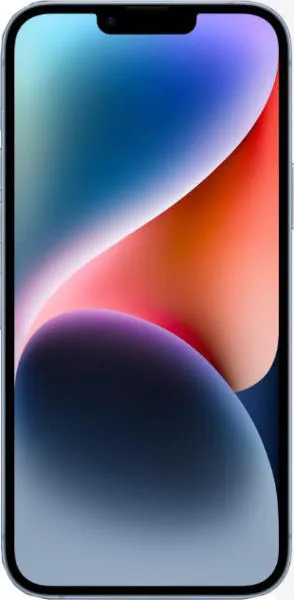
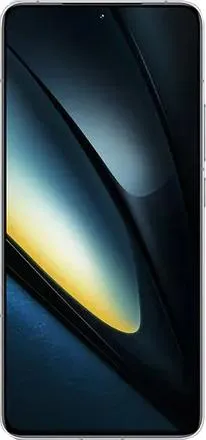
iPhone 14 Plus vs. Poco F6 Pro: A Tech Dive into Practical Performance
Let's dissect the Apple iPhone 14 Plus and the Xiaomi Poco F6 Pro, translating their spec sheets into real-world experiences. We'll uncover what these numbers mean for you, guiding you toward the phone that best fits your life.
1. Specifications Breakdown
| Feature | Apple iPhone 14 Plus | Xiaomi Poco F6 Pro | Real-World Implications |
|---|---|---|---|
| Design | |||
| Dimensions (mm) | 160.8 x 78.1 x 7.8 | 160.9 x 75 x 8.2 | Poco F6 Pro slightly narrower, thicker. Negligible difference in hand feel for most users. |
| Weight (g) | 203 | 209 | Both feel substantial; slight weight difference unlikely to be noticeable in daily use. |
| Build Materials | Aluminum, Glass | Glass, Plastic | iPhone boasts premium aluminum frame; Poco F6 Pro likely uses a plastic frame, potentially impacting durability. |
| Display | |||
| Size (inches) | 6.7 | 6.67 | Virtually identical screen real estate. |
| Resolution (px) | 1284 x 2778 | 1440 x 3200 | Poco F6 Pro offers sharper visuals due to higher pixel density, noticeable in fine details and text. |
| Display Type | Super Retina XDR OLED | AMOLED | Both offer vibrant colors and deep blacks. Poco F6 Pro's higher peak brightness (4000 nits vs 1200 nits) excels in direct sunlight. |
| Refresh Rate (Hz) | 60 | 120 | Poco F6 Pro's 120Hz delivers smoother scrolling and animations, more responsive gaming experience. |
| Performance | |||
| Chipset | A15 Bionic | Snapdragon 8 Gen 2 | Snapdragon 8 Gen 2 generally benchmarks higher in raw power, potentially benefiting demanding tasks and gaming. |
| CPU | Hexa-core | Octa-core | More cores in Poco F6 Pro could enhance multitasking, but real-world performance depends on optimization. |
| GPU | Apple GPU (5-core) | Adreno 740 | Adreno 740 likely offers a significant advantage in graphics-intensive applications and games. |
| RAM (GB) | 6 | 12/16 | Poco F6 Pro's larger RAM options provide more headroom for multitasking and background processes. |
| Camera | |||
| Main Camera (MP) | 12 | 50 | Poco F6 Pro's higher megapixel count potentially captures more detail; image quality depends on sensor and processing. |
| Video Recording | 4K@60fps | 8K@24fps | Poco F6 Pro offers higher resolution video recording, but 4K@60fps on iPhone 14 Plus is likely more practical for most users. |
| Battery Life | |||
| Capacity (mAh) | 4323 | 5000 | Poco F6 Pro's larger battery suggests longer endurance, but real-world usage varies. |
2. Key Insights
Performance: Poco F6 Pro boasts a clear advantage in raw processing power and graphics capabilities, thanks to the Snapdragon 8 Gen 2 and Adreno 740. This translates to smoother gaming, faster app loading, and potentially better handling of demanding tasks. While the A15 Bionic in the iPhone 14 Plus remains a powerful chip, it's a generation behind.
Display: Both phones offer excellent displays, but the Poco F6 Pro edges out with its sharper resolution and incredibly smooth 120Hz refresh rate. The significant difference in peak brightness makes the Poco F6 Pro much more usable outdoors. The iPhone's advantage lies in its color accuracy and HDR performance, crucial for content creators and media consumption.
Camera: While megapixels aren't everything, the Poco F6 Pro's 50MP main sensor has the potential to capture more detail. Apple's computational photography prowess, however, often bridges the gap. Video recording capabilities are strong on both, with the iPhone excelling in stabilization and dynamic range.
Battery & OS: Poco F6 Pro's larger battery capacity points towards longer usage time. iOS is known for its optimization and efficiency, potentially offsetting the iPhone's smaller battery. Ultimately, real-world battery life depends heavily on individual usage patterns.
3. User Profiles and Recommendations
iPhone 14 Plus: Ideal for users prioritizing a seamless user experience, a robust app ecosystem, and excellent content consumption. Its strengths lie in its refined software, reliable performance, and strong camera capabilities within the Apple ecosystem.
Poco F6 Pro: Best suited for power users, gamers, and those seeking cutting-edge hardware at a competitive price. Its superior processing power, high refresh rate display, and large battery cater to demanding tasks and multimedia consumption.
4. Buying Decision Framework
- What are your primary smartphone activities? Heavy gaming and multitasking favor the Poco F6 Pro. Content creation, media consumption, and general use are well-handled by both.
- What is your budget? Both phones fall in the medium price range, but specific pricing varies by region and storage configuration. Carefully compare prices based on your desired storage.
- Which operating system do you prefer? iOS offers simplicity and a tightly controlled ecosystem. Android provides customization and flexibility.
My Choice: The Poco F6 Pro
While I appreciate the polish of iOS and the iPhone's ecosystem, as a tech enthusiast and someone who pushes their devices hard, I'd choose the Poco F6 Pro. The combination of the Snapdragon 8 Gen 2, the vibrant 120Hz AMOLED display, and the larger battery is compelling. The potential performance gains, smoother visuals, and extended battery life outweigh the advantages of the iPhone 14 Plus for my usage patterns. The higher resolution display is a significant factor for me, as is the significantly faster refresh rate. While Apple's walled garden offers a certain peace of mind, I prefer the openness and customization of Android. Ultimately, the Poco F6 Pro offers more future-proofing and raw power, which appeals to my tech-centric needs.
