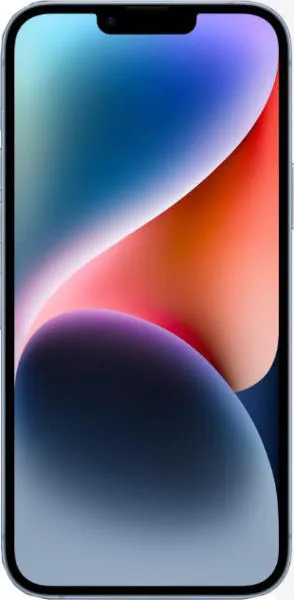
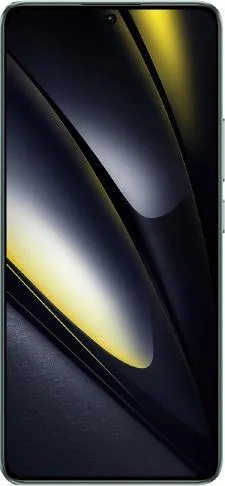
iPhone 14 Plus vs. Xiaomi Poco F6: A Deep Dive for the Discerning User
The smartphone landscape is a battlefield, and choosing the right weapon (or rather, device) requires careful consideration. Today, we pit two formidable contenders against each other: the Apple iPhone 14 Plus and the Xiaomi Poco F6. Both reside in the "medium price" range, but their distinct specifications cater to different needs. Let's dissect these devices, translating the tech jargon into practical advantages and disadvantages.
1. Specifications Breakdown
| Feature | Apple iPhone 14 Plus | Xiaomi Poco F6 | Real-World Implications |
|---|---|---|---|
| Design | |||
| Dimensions (mm) | 160.8 x 78.1 x 7.8 | 160.5 x 74.5 x 8 | Poco F6 is slightly narrower, potentially offering a more comfortable one-handed grip. |
| Weight (g) | 203 | 179 | Poco F6 is noticeably lighter, reducing hand fatigue during extended use. |
| Build Material | Aluminum & Glass | Glass & Plastic(?) | iPhone boasts premium materials, contributing to perceived quality and durability. Poco F6's material mix might impact longevity. |
| Display | |||
| Size (inches) | 6.7 | 6.67 | Virtually identical screen real estate. |
| Resolution (px) | 1284 x 2778 | 1220 x 2712 | iPhone has a slightly sharper display, though the difference is negligible in everyday use. |
| Panel Type | Super Retina XDR OLED | AMOLED | Both offer vibrant colors and deep blacks. OLED generally consumes less power. |
| Refresh Rate (Hz) | 60 | 120 | Poco F6's 120Hz refresh rate provides a noticeably smoother experience, especially for gaming and scrolling. |
| Peak Brightness(nits) | 1200 | 2400 | Poco F6 can get significantly brighter, improving outdoor visibility. |
| Performance | |||
| Chipset | A15 Bionic (5nm) | Snapdragon 8s Gen 3(4nm) | While newer, the Snapdragon 8s Gen 3 doesn't drastically outperform the A15. iPhone's tight hardware-software integration may offer an edge. |
| RAM (GB) | 6 | 8/12 | Poco F6's larger RAM capacity allows for smoother multitasking and app switching. |
| OS | iOS 16 | Android 14 | Preference-dependent. iOS is known for simplicity and a unified ecosystem, Android for customization and flexibility. |
| Camera | |||
| Main Camera (MP) | 12 | 50 | Poco F6 boasts higher megapixel count, potentially capturing more detail. Real-world image quality depends on sensor and processing. |
| Video Recording | Up to 4K@60fps | Up to 4K@60fps | Comparable video capabilities on paper, though quality will depend on implementation. iPhone is often praised for video prowess. |
| Battery Life | |||
| Capacity (mAh) | 4323 | 5000 | Poco F6's larger battery likely translates to longer usage time. |
2. Key Insights
The iPhone 14 Plus prioritizes a premium experience with its refined design, optimized software, and renowned camera performance. The A15 Bionic, while a generation older, remains a powerful chip capable of handling demanding tasks.
The Poco F6, on the other hand, focuses on delivering cutting-edge features at a competitive price. Its 120Hz display, larger battery, and higher RAM capacity offer tangible benefits in daily use. The Snapdragon 8s Gen 3 positions it as a performance powerhouse, especially for gaming enthusiasts.
3. User Profiles and Recommendations
iPhone 14 Plus: Ideal for users prioritizing a seamless user experience, a polished ecosystem, and consistent performance. Content creators will appreciate the iPhone's video recording capabilities.
Poco F6: Best suited for power users, gamers, and those seeking maximum value for their money. The high refresh rate display, larger battery, and powerful processor make it a compelling option for demanding tasks.
4. Buying Decision Framework
1. What is your operating system preference? iOS offers simplicity and a tightly controlled ecosystem, while Android provides more customization.
2. What are your performance priorities? For demanding gaming and multitasking, the Poco F6's higher RAM and faster refresh rate provide an edge. For consistent performance and optimized software, the iPhone remains strong.
3. How important is battery life? The Poco F6's larger battery likely delivers longer usage time.
My Choice: The Poco F6
While I appreciate the iPhone's polished experience, the Poco F6's combination of a 120Hz AMOLED display, the powerful Snapdragon 8s Gen 3, larger battery, and competitive price make it the more compelling device for me. As a tech enthusiast, I value the responsiveness and visual fluidity of a high refresh rate display. The larger battery provides peace of mind for extended use, and the Snapdragon chip ensures ample power for demanding tasks. While the iPhone boasts a robust ecosystem, the Poco F6's raw performance and value proposition ultimately win out. I'm also intrigued by exploring the customization options offered by the Android operating system. Ultimately, the Poco F6 represents a more future-proof investment, offering cutting-edge features that will remain relevant for longer.
