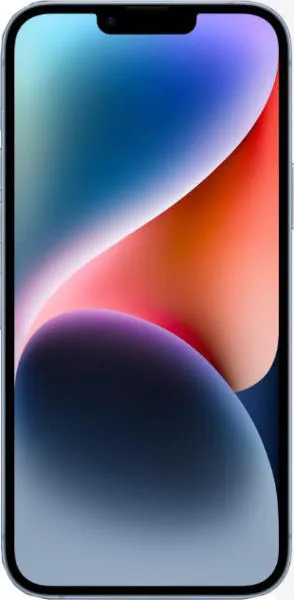
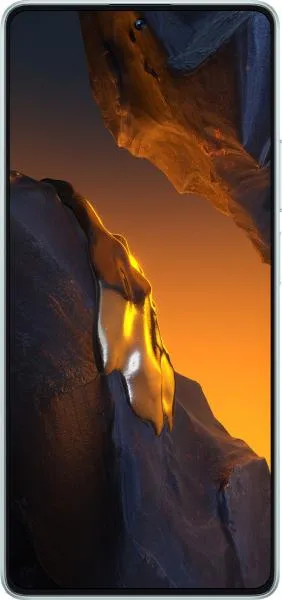
iPhone 14 Plus vs. Poco F5: A Real-World Showdown
Let's dive deep into the comparison between the Apple iPhone 14 Plus and the Xiaomi Poco F5, cutting through the marketing fluff and focusing on what truly matters to users.
1. Specifications Breakdown
| Feature | Apple iPhone 14 Plus | Xiaomi Poco F5 | Real-World Implications |
|---|---|---|---|
| Design | |||
| Dimensions (mm) | 160.8 x 78.1 x 7.8 | 161.1 x 75 x 7.9 | Poco F5 slightly narrower, negligible difference overall. |
| Weight (g) | 203 | 181 | iPhone noticeably heavier; can impact one-handed use and pocket comfort. |
| Build Materials | Aluminum, Glass | Glass, Plastic | iPhone's aluminum frame potentially more durable. Poco F5 might feel less premium. |
| Display | |||
| Size (inches) | 6.7 | 6.67 | Virtually identical screen real estate. |
| Resolution (px) | 1284 x 2778 | 1080 x 2400 | iPhone boasts significantly sharper visuals due to higher pixel density (458 vs. 395 ppi). |
| Panel Type | Super Retina XDR OLED | AMOLED | Both offer vibrant colors and deep blacks. iPhone's likely brighter with better HDR. |
| Refresh Rate (Hz) | 60 | 120 | Poco F5's 120Hz provides smoother scrolling and animations. |
| Performance | |||
| Chipset | A15 Bionic | Snapdragon 7+ Gen 2 | iPhone's A15 remains a powerhouse, likely outperforming the 7+ Gen 2 in raw power. |
| RAM (GB) | 6 | 8/12 | Poco F5 offers more RAM, potentially better multitasking but real-world impact depends on OS optimization. |
| OS | iOS 16 | Android 13 | iOS known for optimization and longevity, Android for customization and flexibility. |
| Camera | |||
| Main Camera (MP) | 12 | 64 | Poco F5's higher megapixel count doesn't guarantee better photos; image processing is crucial. |
| Video | 4K@60fps | 4K@30fps | iPhone capable of higher resolution video recording. |
| Battery Life | |||
| Capacity (mAh) | 4323 | 5000 | Poco F5 packs a larger battery, potentially longer lasting. |
2. Key Insights
Performance: While benchmarks might favor the newer Snapdragon chip, Apple's A15 Bionic, combined with iOS optimization, delivers exceptional real-world performance in everyday tasks and gaming. The Poco F5, with its higher RAM options, could offer an edge in multitasking, especially for power users.
Display: The iPhone 14 Plus pulls ahead with its superior display sharpness and likely brighter HDR performance. However, the Poco F5's 120Hz refresh rate delivers noticeably smoother scrolling and animations, a feature many users appreciate.
Camera: Megapixels aren't everything. Apple's computational photography prowess often outshines raw sensor specs. While the Poco F5's 64MP sensor might offer more detail in ideal conditions, the iPhone's consistent image quality and video capabilities likely give it an edge for most users.
Battery: The Poco F5's larger 5000mAh battery likely translates to longer usage time on a single charge. However, real-world battery life depends heavily on usage patterns.
3. User Profiles and Recommendations
iPhone 14 Plus: Ideal for users prioritizing a premium experience, seamless performance, a vibrant display, reliable camera, and a robust app ecosystem. Great for content consumption, casual gaming, and everyday tasks.
Poco F5: Best suited for users seeking maximum value for their money, a smooth high refresh rate display, long battery life, and the flexibility of Android. A solid choice for gamers, power users, and those on a tighter budget.
4. Buying Decision Framework
- What operating system do you prefer? iOS offers simplicity and a tightly integrated ecosystem, while Android provides customization and wider device compatibility.
- Is a high refresh rate display a priority? If smooth scrolling and fluid animations are crucial, the Poco F5's 120Hz display is a major advantage.
- What's your budget? The Poco F5 generally offers a lower price point for comparable storage configurations, making it a compelling value proposition.
My Choice: As a tech journalist who values performance, ecosystem integration, and a polished user experience, I would choose the iPhone 14 Plus. While the Poco F5 offers compelling specs and a lower price, the iPhone's overall refinement, consistent camera quality, and the longevity of iOS are deciding factors for me. The smoother display of the Poco F5 is tempting, but the superior sharpness and brightness of the iPhone's screen are more important to my daily use. Ultimately, the premium feel and long-term value proposition of the iPhone 14 Plus align better with my personal preferences.
