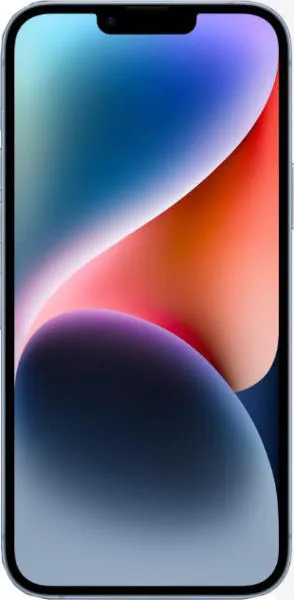
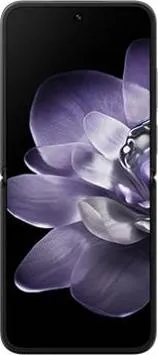
iPhone 14 Plus vs. Xiaomi Mix Flip: A Tech Journalist's Deep Dive
The smartphone landscape is constantly evolving, and choosing the right device can feel overwhelming. Today, we'll dissect two compelling options: the Apple iPhone 14 Plus and the Xiaomi Mix Flip. We'll go beyond the spec sheet, translating technical jargon into real-world implications to help you make an informed decision.
1. Specifications Breakdown
| Feature | Apple iPhone 14 Plus | Xiaomi Mix Flip | Real-World Implications |
|---|---|---|---|
| Design | |||
| Form Factor | Slab | Foldable | Mix Flip offers compact portability when folded, but adds complexity and potential durability concerns. |
| Dimensions (mm) | 160.8 x 78.1 x 7.8 | 167.5 x 74 x 7.6 | iPhone 14 Plus is larger unfolded, offering a bigger screen for media consumption. Mix Flip is more pocketable when folded. |
| Weight (g) | 203 | 190 | Negligible weight difference in practical use. |
| Display | |||
| Size (inches) | 6.7 | 6.86 | Mix Flip boasts a slightly larger display. |
| Resolution (px) | 1284 x 2778 | 1224 x 2912 | Comparable sharpness; both offer crisp visuals. Mix Flip has a taller aspect ratio. |
| Type | Super Retina XDR OLED | Foldable LTPO AMOLED | Mix Flip's LTPO panel potentially offers better power efficiency with dynamic refresh rate. Foldable screen introduces a crease. |
| Refresh Rate (Hz) | 60 | 120 | Mix Flip's 120Hz provides smoother scrolling and animations. |
| Performance | |||
| Chipset | Apple A15 Bionic | Snapdragon 8 Gen 3 | Snapdragon 8 Gen 3 likely offers a performance advantage in benchmarks, but real-world differences may be less noticeable. |
| CPU | Hexa-core | Octa-core | More cores on the Mix Flip could benefit multitasking and demanding applications. |
| RAM (GB) | 6 | 12 | Mix Flip's 12GB RAM enables smoother multitasking and better handles memory-intensive tasks. |
| Camera | |||
| Main Camera (MP) | 12 | 50 | Mix Flip's 50MP sensor likely captures more detail. |
| Video | 4K@60fps | 8K@24fps | Mix Flip offers higher resolution video recording, but 4K@60fps on the iPhone 14 Plus is arguably more practical for most users. |
| Battery Life | |||
| Capacity (mAh) | 4323 | 4780 | Mix Flip has a larger battery, but real-world battery life depends on usage and software optimization. Foldables often use more power. |
2. Key Insights
- Performance: While benchmarks might favor the Mix Flip's Snapdragon 8 Gen 3, Apple's A15 Bionic remains a powerhouse. Day-to-day performance differences will likely be subtle for average users. Power users or gamers might appreciate the Mix Flip's extra horsepower and RAM.
- Display: The Mix Flip's foldable display and 120Hz refresh rate are attention-grabbing. However, the crease inherent in foldable displays can be distracting for some. The iPhone 14 Plus offers a seamless, albeit traditional, viewing experience with excellent color accuracy and brightness.
- Camera: The Mix Flip boasts higher megapixel counts, potentially capturing more detail. However, Apple's computational photography prowess often results in excellent image quality despite lower resolution sensors. Real-world camera comparisons are crucial.
- Form Factor: The Mix Flip's foldable design is undoubtedly innovative, offering a compact form when closed. However, this novelty comes with potential durability concerns and added complexity. The iPhone 14 Plus represents a refined, familiar design with a larger screen for immersive content consumption.
3. User Profiles and Recommendations
- iPhone 14 Plus: Ideal for users who prioritize a reliable, refined smartphone experience with a large display for media consumption, gaming, and productivity. Its robust app ecosystem and long-term software support are significant advantages.
- Xiaomi Mix Flip: Suited for early adopters and tech enthusiasts intrigued by the foldable form factor. Its compact folded size and unique design are appealing, but users should be aware of the potential trade-offs in durability and software maturity.
4. Buying Decision Framework
- Is a foldable design a priority? If portability and novelty are paramount, the Mix Flip stands out. If you prefer a tried-and-true form factor with a larger screen, the iPhone 14 Plus is a better choice.
- How important is software and ecosystem? Apple's iOS is known for its simplicity, security, and app ecosystem. If these are crucial, the iPhone is the clear winner.
- What's your budget? The Mix Flip is positioned as a high-end device, while the iPhone 14 Plus falls into the medium-high price range.
My Choice: iPhone 14 Plus
While the Xiaomi Mix Flip represents an exciting step in smartphone innovation, I'd personally choose the iPhone 14 Plus. My decision stems from a prioritization of a refined user experience, a mature software ecosystem, and long-term value. The A15 Bionic chip, while not the newest, still delivers exceptional performance for my daily needs. I appreciate the large, seamless display for content consumption, and the robust build quality provides peace of mind. While the foldable form factor is intriguing, I'm not convinced the trade-offs in durability and potential software quirks are worth the premium price at this stage. The iPhone 14 Plus strikes a balance between performance, features, and price that aligns perfectly with my personal preferences.
