iPhone 14 Plus vs. Xiaomi 14T Pro: A Deep Dive for the Discerning User
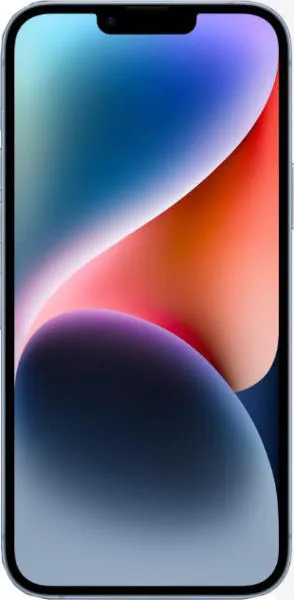
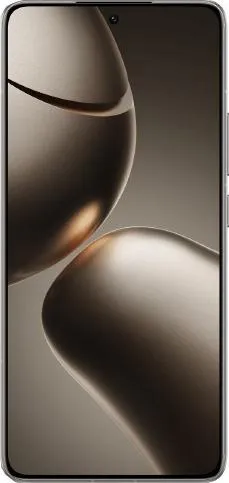
The smartphone landscape is constantly evolving, and choosing the right device can feel overwhelming. Today, we'll dissect two compelling contenders: the Apple iPhone 14 Plus and the Xiaomi 14T Pro. We'll go beyond the spec sheet, translating technical jargon into practical insights to help you make an informed decision.
1. Specifications Breakdown
| Feature | Apple iPhone 14 Plus | Xiaomi 14T Pro | Real-World Implications |
|---|---|---|---|
| Design | |||
| Dimensions (mm) | 160.8 x 78.1 x 7.8 | 160.4 x 75.1 x 8.4 | 14T Pro slightly shorter, narrower but thicker. Both are large phones; pocketability could be an issue. |
| Weight (g) | 203 | 209 | Negligible weight difference in hand. |
| Build Materials | Aluminum, Glass | Glass, Aluminum | Both premium materials, durability should be comparable. |
| Display | |||
| Size (inches) | 6.7 | 6.67 | Virtually identical screen real estate. |
| Resolution (px) | 1284 x 2778 | 1220 x 2712 | Similar sharpness; difference imperceptible to the naked eye. |
| Panel Type | Super Retina XDR OLED | AMOLED | Both offer excellent color accuracy and deep blacks. |
| Refresh Rate (Hz) | 60 | 144 | 14T Pro's significantly higher refresh rate delivers smoother scrolling and animations. |
| Peak Brightness(nits) | 1200 | 4000 | 14T Pro boasts exceptional outdoor visibility. |
| Performance | |||
| Chipset | A15 Bionic | Dimensity 9300+ | 9300+ newer generation, potentially higher multi-core performance; A15 renowned for efficiency. |
| CPU | Hexa-core | Octa-core | More cores in 14T Pro; potential advantage in multitasking. |
| GPU | 5-core Apple GPU | Immortalis-G720 MC12 | Gaming performance likely favors the 14T Pro with its more powerful GPU. |
| RAM (GB) | 6 | 12 | Double the RAM in 14T Pro enables superior multitasking and app switching. |
| Camera | |||
| Main Camera (MP) | 12 | 50 | Higher megapixel count on 14T Pro; potentially more detail in images. |
| Video Recording | 4K@60fps | 8K@30fps | 14T Pro offers higher resolution video recording. |
| Battery Life | |||
| Capacity (mAh) | 4323 | 5000 | Larger battery in 14T Pro suggests longer usage time. |
2. Key Insights
- Performance: While the A15 Bionic in the iPhone 14 Plus remains a powerhouse known for its efficiency, the newer Dimensity 9300+ in the 14T Pro, coupled with double the RAM, likely edges out in raw processing power and multitasking capabilities.
- Display: The standout difference is the 144Hz refresh rate on the 14T Pro. This translates to a noticeably smoother and more fluid user experience, especially in gaming and scrolling. The significantly brighter display on the 14T Pro ensures excellent visibility outdoors.
- Camera: The Xiaomi 14T Pro boasts a higher resolution main sensor and 8K video recording capability. However, Apple's computational photography prowess is well-regarded, so image quality will likely be a close contest.
- Battery: The Xiaomi 14T Pro's larger 5000mAh battery should deliver longer usage time compared to the iPhone 14 Plus.
3. User Profiles and Recommendations
- iPhone 14 Plus: Ideal for users prioritizing a seamless iOS experience, excellent app optimization, and a refined design. Strong single-core performance makes it a great choice for everyday tasks.
- Xiaomi 14T Pro: Geared towards power users, gamers, and multimedia enthusiasts who value a high refresh rate display, raw processing power, and longer battery life.
4. Buying Decision Framework
- What is your budget? The prices are comparable, but consider potential deals and long-term costs (e.g., accessories).
- What operating system do you prefer? iOS offers simplicity and a tightly controlled ecosystem, while Android provides greater customization and flexibility.
- What are your primary use cases? For everyday tasks and casual gaming, the iPhone 14 Plus suffices. For demanding workloads, gaming, and multimedia consumption, the 14T Pro excels.
My Choice: I would choose the Xiaomi 14T Pro. The 144Hz display is a game-changer for me, offering a tangible improvement in daily use. The powerful Dimensity 9300+ processor, coupled with 12GB of RAM, future-proofs the device for demanding tasks and ensures smooth performance for years to come. The larger battery also addresses a key concern for power users like myself. While I appreciate the polish of iOS, the 14T Pro's combination of performance, display, and battery life is too compelling to ignore.
