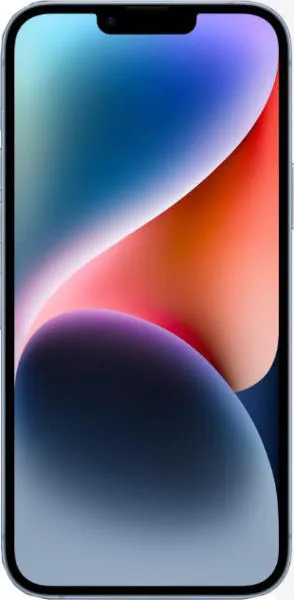
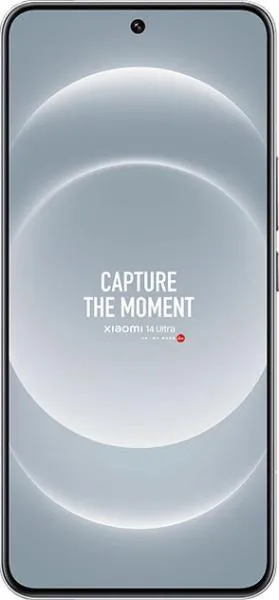
iPhone 14 Plus vs. Xiaomi 14 Ultra: A Deep Dive for the Discerning User
The smartphone landscape is ever-evolving, with new contenders constantly vying for your attention. Today, we dissect two compelling devices: the Apple iPhone 14 Plus and the Xiaomi 14 Ultra. Let's move beyond marketing hype and delve into the engineering realities to understand what each phone truly offers.
1. Specifications Breakdown
| Feature | Apple iPhone 14 Plus | Xiaomi 14 Ultra | Real-World Implications |
|---|---|---|---|
| Design | |||
| Dimensions (mm) | 160.8 x 78.1 x 7.8 | 161.4 x 75.3 x 9.2 | Xiaomi is slightly larger and noticeably thicker and heavier. |
| Weight (g) | 203 | 229.5 | iPhone is more pocketable; Xiaomi's weight might be noticeable. |
| Build Materials | Aluminum, Glass | [Data Not Provided] | Durability and premium feel are likely comparable. |
| Display | |||
| Size (inches) | 6.7 | 6.73 | Virtually identical screen real estate. |
| Resolution (px) | 1284 x 2778 | 1440 x 3200 | Xiaomi boasts sharper visuals due to higher pixel density. |
| Display Type | Super Retina XDR OLED | LTPO AMOLED | Both offer vibrant colors and deep blacks. Xiaomi's LTPO allows for dynamic refresh rate, saving battery. |
| Refresh Rate (Hz) | 60 | 120 | Xiaomi offers smoother scrolling and animations. |
| Peak Brightness(nits) | 1200 | 3000 | Xiaomi's display is significantly brighter for better outdoor visibility. |
| Performance | |||
| Chipset | A15 Bionic (5 nm) | Snapdragon 8 Gen 3 (4 nm) | Xiaomi utilizes a newer, potentially more powerful processor. |
| CPU | Hexa-core | Octa-core | More cores in Xiaomi could benefit multitasking and demanding apps. |
| GPU | 5-core Apple GPU | Adreno 750 | Xiaomi likely has a stronger GPU, leading to better gaming performance. |
| RAM (GB) | 6 | 16 | Xiaomi's significantly larger RAM enables superior multitasking and app switching. |
| Camera | |||
| Main Camera (MP) | 12 | 50 | Xiaomi has a much higher resolution main sensor, potentially capturing more detail. |
| Camera Features | Sensor-shift OIS | Variable Aperture, Leica Optics | Xiaomi offers more advanced camera features like variable aperture and Leica lens tuning, suggesting superior image quality. |
| Video Capabilities | 4K@60fps | 8K@30fps | Xiaomi can record higher resolution video. |
| Battery Life | |||
| Capacity (mAh) | 4323 | 5000 | Xiaomi's larger battery capacity suggests longer usage time. |
2. Key Insights
The iPhone 14 Plus, despite being a year older, holds its own with a refined iOS experience, excellent build quality, and a powerful, albeit less cutting-edge, processor. Its strength lies in its seamless software-hardware integration and user-friendliness.
The Xiaomi 14 Ultra, however, pushes the boundaries with its bleeding-edge hardware. The Snapdragon 8 Gen 3, coupled with 16GB of RAM, promises blistering performance. Its camera system, featuring a 1-inch sensor and Leica collaboration, hints at exceptional photographic capabilities. The higher resolution and refresh rate display further solidify its position as a powerhouse.
3. User Profiles and Recommendations
iPhone 14 Plus: Ideal for users prioritizing a smooth, intuitive user experience, a reliable ecosystem, and who value software updates and longevity. Excellent for everyday tasks, casual photography, and moderate gaming.
Xiaomi 14 Ultra: Suited for power users, photography enthusiasts, and mobile gamers. Its cutting-edge hardware delivers unparalleled performance and advanced camera features. The larger battery caters to heavy usage.
4. Buying Decision Framework
- What is your budget? The Xiaomi 14 Ultra is likely to be priced higher.
- What is your priority: user experience or raw performance? iPhone prioritizes ease of use, while Xiaomi emphasizes power.
- How important are camera capabilities and battery life? Xiaomi clearly leads in these areas.
Scenario-Based Recommendations:
- Casual User: iPhone 14 Plus provides a more balanced and user-friendly experience.
- Power User/Gamer/Photographer: Xiaomi 14 Ultra's superior hardware makes it the clear choice.
My Choice: The Xiaomi 14 Ultra
While I appreciate the polished experience of the iPhone, as a tech journalist with a passion for pushing technological boundaries, the Xiaomi 14 Ultra compels me. The combination of the Snapdragon 8 Gen 3, 16GB RAM, the advanced camera system with a 1-inch sensor and Leica tuning, and the stunning high refresh rate display creates a device that truly excites. I'm willing to embrace the potential nuances of Android for the sheer power and innovation this phone represents. It's a device that promises to elevate my mobile workflow and creative endeavors. The significant jump in camera technology, particularly with the Leica collaboration, intrigues me as a photography enthusiast. Furthermore, the substantial increase in RAM and the inclusion of a much larger battery directly address limitations I often encounter with current devices.
