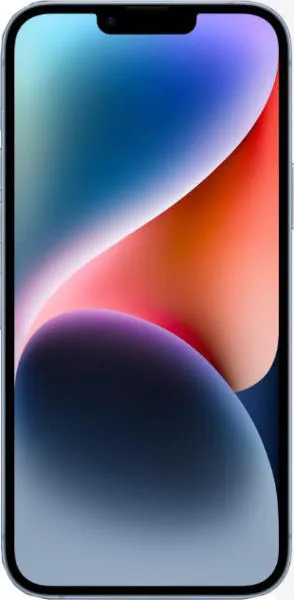
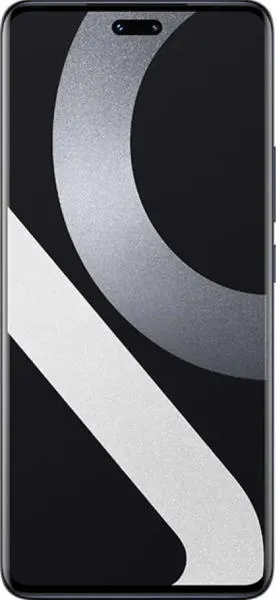
iPhone 14 Plus vs. Xiaomi 13 Lite: A Detailed Comparison
Let's dive deep into a comparative analysis of the Apple iPhone 14 Plus and the Xiaomi 13 Lite, dissecting their technical specifications and translating them into real-world user experiences.
1. Specifications Breakdown
| Feature | Apple iPhone 14 Plus | Xiaomi 13 Lite | Real-World Implications |
|---|---|---|---|
| Design | |||
| Dimensions (mm) | 160.8 x 78.1 x 7.8 | 159.2 x 72.7 x 7.2 | Xiaomi 13 Lite is slightly smaller and noticeably lighter. |
| Weight (g) | 203 | 171 | Lighter phone (Xiaomi) reduces hand fatigue during extended use. |
| Display | |||
| Size (inches) | 6.7 | 6.55 | Negligible difference in screen real estate. |
| Resolution (px) | 1284 x 2778 | 1080 x 2400 | iPhone boasts sharper text and images due to higher pixel density. |
| Panel Type | Super Retina XDR OLED | AMOLED | Both offer vibrant colors and deep blacks. |
| Refresh Rate (Hz) | 60 | 120 | Smoother scrolling and animations on the Xiaomi. |
| Performance | |||
| Chipset | A15 Bionic | Snapdragon 7 Gen 1 | A15 offers superior processing power and graphics performance. |
| RAM (GB) | 6 | 8 | More RAM on Xiaomi can aid multitasking, but A15 efficiency might offset this. |
| Camera | |||
| Main Camera (MP) | 12 | 50 | Higher megapixel count on Xiaomi doesn't guarantee better image quality. |
| Selfie Camera (MP) | 12 | 32 + 8 | Xiaomi offers a higher resolution selfie camera with a depth sensor. |
| Battery Life | |||
| Capacity (mAh) | 4323 | 4500 | Slightly larger battery in Xiaomi. Actual battery life depends on usage. |
2. Key Insights
- Performance: The iPhone 14 Plus, powered by the A15 Bionic chip, significantly outperforms the Xiaomi 13 Lite in raw processing power and graphics capabilities. This translates to smoother performance in demanding tasks like gaming and video editing. While the Xiaomi has more RAM, the A15's efficiency often compensates for this difference in real-world usage.
- Display: While both phones feature excellent displays with vibrant colors, the iPhone's higher resolution results in noticeably sharper visuals. However, the Xiaomi 13 Lite's 120Hz refresh rate provides a smoother and more fluid user experience, especially noticeable in scrolling and animations.
- Camera: Megapixel count isn't everything. Apple's computational photography prowess often results in superior image quality despite lower megapixel numbers. Xiaomi's 50MP main sensor might offer more detail in ideal conditions, but Apple's image processing generally delivers better results in challenging lighting. The dual selfie camera setup on the Xiaomi could appeal to selfie enthusiasts.
- Design and Build: The Xiaomi 13 Lite is lighter and slightly smaller, making it potentially more comfortable for one-handed use. Both phones feature premium build materials.
3. User Profiles and Recommendations
- iPhone 14 Plus: Best suited for users prioritizing performance, a polished user experience, and a robust app ecosystem. Ideal for power users, gamers, and content creators who demand top-tier performance and longevity.
- Xiaomi 13 Lite: A great option for users seeking a sleek, lightweight phone with a smooth display and a versatile camera system. Appeals to users who value a modern design, good battery life, and a more customizable Android experience.
4. Buying Decision Framework
- What is your budget? The iPhone 14 Plus generally commands a higher price.
- What is your priority? Raw performance (iPhone) or a smoother display and more features (Xiaomi)?
- Which operating system do you prefer? iOS (iPhone) or Android (Xiaomi)?
My Choice: iPhone 14 Plus
While the Xiaomi 13 Lite offers compelling features like a 120Hz display and a larger battery, I would choose the iPhone 14 Plus. My decision hinges on the superior performance and longevity offered by the A15 Bionic chip. As a tech enthusiast, I value a device that can handle demanding tasks without compromise and maintain peak performance for years to come. Apple's tight integration of hardware and software, along with its commitment to long-term software updates, makes the iPhone 14 Plus a more compelling choice for my needs. Furthermore, I prioritize the overall user experience and the robust app ecosystem that Apple offers. While the Xiaomi has its merits, the iPhone 14 Plus aligns better with my personal preferences and usage patterns.
