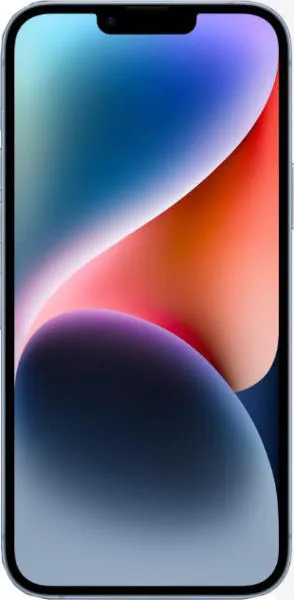
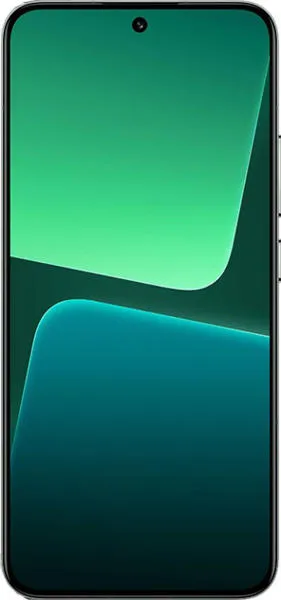
iPhone 14 Plus vs. Xiaomi 13: A Detailed Comparison
Let's dive into a head-to-head comparison of the Apple iPhone 14 Plus and the Xiaomi 13, dissecting their specifications and uncovering what they truly mean for the everyday user.
1. Specifications Breakdown
| Feature | Apple iPhone 14 Plus | Xiaomi 13 | Real-World Implications |
|---|---|---|---|
| Design | |||
| Dimensions (mm) | 160.8 x 78.1 x 7.8 | 152.8 x 71.5 x 8 | iPhone 14 Plus is larger; Xiaomi 13 is slightly narrower and thicker. Impacts one-handed usability and pocketability. |
| Weight (g) | 203 | 185 | Noticeable difference in hand; prolonged use might fatigue with the iPhone 14 Plus. |
| Build Materials | Aluminum, Glass | Glass, Aluminum | Both premium materials, but individual durability and feel may vary. |
| Display | |||
| Size (inches) | 6.7 | 6.36 | iPhone 14 Plus offers a larger screen for media consumption; Xiaomi 13 is more compact. |
| Resolution (px) | 1284 x 2778 | 1080 x 2400 | iPhone boasts higher pixel density (sharper image); Xiaomi 13's resolution is still crisp for its size. |
| Refresh Rate (Hz) | 60 | 120 | Xiaomi 13's 120Hz offers smoother scrolling and animations, more responsive feel. iPhone's 60Hz is standard but less fluid. |
| Display Type | Super Retina XDR OLED | AMOLED | Both offer vibrant colors and deep blacks; individual panel quality can influence color accuracy and brightness. |
| Peak Brightness (nits) | 1200 | 1900 | Xiaomi 13 significantly brighter, enhancing outdoor visibility. |
| Performance | |||
| Chipset | A15 Bionic (5nm) | Snapdragon 8 Gen 2 (4nm) | Snapdragon 8 Gen 2 generally benchmarks higher in raw performance; A15 Bionic is known for excellent efficiency and sustained performance within the Apple ecosystem. |
| CPU | Hexa-core | Octa-core | Core count difference less significant than architecture and per-core performance; both offer ample power for demanding tasks. |
| GPU | Apple GPU (5-core) | Adreno 740 | Adreno 740 generally offers a greater graphical horsepower for gaming; Apple GPU excels within its optimized ecosystem. |
| RAM (GB) | 6 | 8/12 | Xiaomi 13 offers more RAM, potentially benefiting multitasking and demanding applications. |
| Camera | |||
| Main Camera (MP) | 12 | 50 | Xiaomi 13's higher resolution sensor potentially captures more detail; image quality depends on processing and lens quality. |
| Ultrawide (MP) | 12 | 12 | Comparable ultrawide sensors; lens quality and software processing will differentiate real-world performance. |
| Telephoto (MP) | No | 10 | Xiaomi 13 offers optical zoom for capturing distant subjects without digital loss. iPhone relies on digital zoom. |
| Battery Life | |||
| Capacity (mAh) | 4323 | 4500 | Xiaomi 13 has slightly larger battery capacity; real-world battery life depends heavily on usage patterns and software optimization. |
2. Key Insights
- Performance: The Xiaomi 13, with the Snapdragon 8 Gen 2, boasts a performance advantage in benchmarks and demanding tasks, particularly gaming. The iPhone 14 Plus, however, leverages the A15 Bionic's efficiency for smooth performance within the iOS ecosystem.
- Display: The Xiaomi 13's 120Hz AMOLED display delivers a noticeably smoother and more responsive visual experience compared to the iPhone's 60Hz. Its higher peak brightness significantly improves outdoor readability. The iPhone 14 Plus counters with a slightly larger display and a higher resolution.
- Camera: Xiaomi 13 provides greater versatility with its triple camera setup, including a telephoto lens for optical zoom. The iPhone 14 Plus relies on its dual-camera system known for excellent image processing and video recording capabilities, particularly in low light.
- Software & Ecosystem: A fundamental difference lies in the operating systems. iOS is renowned for its simplicity, seamless integration, and focus on privacy, while Android offers greater customization and flexibility. This choice heavily depends on user preference.
3. User Profiles and Recommendations
- iPhone 14 Plus: Ideal for users prioritizing ease of use, a seamless ecosystem experience, long-term software support, and excellent video recording capabilities. Those already invested in the Apple ecosystem will find this a natural upgrade.
- Xiaomi 13: Best suited for users who value cutting-edge performance, a high refresh rate display for fluid visuals, camera versatility with optical zoom, and the flexibility of the Android platform. Power users and gamers will lean towards this option.
4. Buying Decision Framework
- What operating system do you prefer? iOS for simplicity and integration, or Android for customization and flexibility?
- What are your performance priorities? Raw power for gaming and demanding tasks, or optimized efficiency for daily use?
- How important is display refresh rate and camera versatility? If these are paramount, the Xiaomi 13 stands out.
My Choice: Xiaomi 13
While I appreciate the polished experience of iOS and the iPhone 14 Plus's long-term software support, I would choose the Xiaomi 13. The Snapdragon 8 Gen 2's performance advantage, the noticeably smoother 120Hz display, and the camera system's versatility, especially the telephoto lens, are compelling features that align with my priorities as a tech enthusiast. The slightly higher price is justifiable for the significant jump in performance and features. I adapt to operating systems readily, and I find the customization options in Android appealing. The Xiaomi 13 offers a more compelling overall package for my usage patterns, which include gaming, photography, and multitasking.
