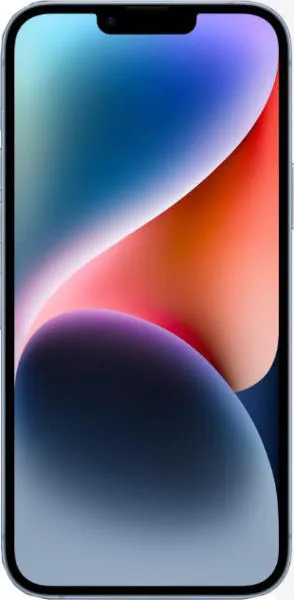
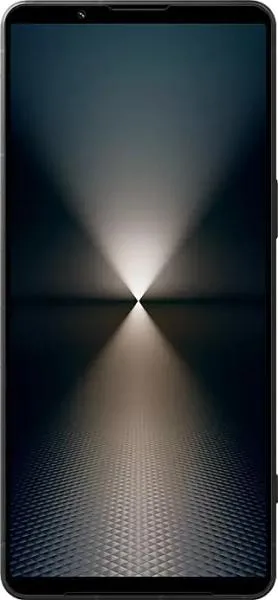
iPhone 14 Plus vs. Sony Xperia 1 VI: A Deep Dive for the Discerning User
The smartphone landscape is constantly evolving, and choosing the right device can feel overwhelming. Today, we'll dissect two compelling contenders: the Apple iPhone 14 Plus and the Sony Xperia 1 VI. By blending technical expertise with real-world insights, we'll empower you to make a decision that perfectly aligns with your needs.
1. Specifications Breakdown
Let's start with a detailed comparison of their core specifications:
| Feature | Apple iPhone 14 Plus | Sony Xperia 1 VI | Real-World Implications |
|---|---|---|---|
| Design | |||
| Dimensions (mm) | 160.8 x 78.1 x 7.8 | 162 x 74 x 8.2 | Xperia 1 VI is taller and slightly thicker. |
| Weight (g) | 203 | 192 | Xperia 1 VI is marginally lighter. |
| Build Materials | Aluminum & Glass | Aluminum & Glass | Both offer premium build quality |
| Display | |||
| Size | 6.7" | 6.5" | iPhone 14 Plus offers a larger screen. |
| Resolution | 1284 x 2778 | 1080 x 2340 | iPhone has a sharper display (458 vs 396 PPI). |
| Type | Super Retina XDR OLED | LTPO OLED | Both are OLED, but Xperia has a 120Hz adaptive refresh rate for smoother scrolling and animations. |
| Performance | |||
| Chipset | A15 Bionic (5nm) | Snapdragon 8 Gen 3 (4nm) | Xperia 1 VI boasts a newer, potentially more powerful processor. |
| RAM | 6GB | 12GB | Xperia 1 VI has double the RAM for better multitasking. |
| OS | iOS 16 | Android 14 | Different operating systems cater to different preferences. |
| Camera | |||
| Rear Camera | Dual (12MP + 12MP) | Triple (48MP+12.2MP+12MP) | Xperia 1 VI features a triple camera system with a higher resolution main sensor and telephoto lens. |
| Front Camera | 12MP | 12MP | Comparable front camera resolution. |
| Video | 4K@60fps | 4K@120fps | Xperia 1 VI can record slow-motion video at higher frame rates. |
| Battery Life | |||
| Capacity | 4323 mAh | 5000 mAh | Xperia 1 VI has a significantly larger battery capacity. |
2. Key Insights
Performance: While the A15 Bionic remains a potent chip, the Snapdragon 8 Gen 3 in the Xperia 1 VI, coupled with 12GB RAM, likely edges out in raw power and multitasking capabilities.
Display: The iPhone 14 Plus offers a slightly larger and sharper display. However, the Xperia 1 VI's 120Hz adaptive refresh rate provides a noticeably smoother user experience, especially in gaming and scrolling. This is a critical difference for many users.
Camera: The Xperia 1 VI's triple camera system, featuring a high-resolution main sensor, telephoto lens, and advanced video capabilities (4K@120fps), caters to photography enthusiasts. The iPhone 14 Plus, while excellent, offers a more streamlined camera experience.
Battery: The Xperia 1 VI’s larger 5000 mAh battery promises longer usage between charges, a significant advantage for power users.
3. User Profiles and Recommendations
iPhone 14 Plus: Ideal for users entrenched in the Apple ecosystem who prioritize ease of use, a vibrant display, and reliable performance. Excellent for everyday tasks, media consumption, and casual photography.
Sony Xperia 1 VI: Perfect for power users, photographers, videographers, and mobile gamers who demand cutting-edge performance, advanced camera features, a smooth display, and extended battery life.
4. Buying Decision Framework
- What is your budget? Both phones fall into a similar price range, but slight variations may exist depending on storage configuration.
- What operating system do you prefer? The fundamental difference between iOS and Android significantly impacts the user experience.
- What are your primary use cases? Consider whether you prioritize performance, camera capabilities, battery life, or a seamless integration with other devices.
My Choice: Sony Xperia 1 VI
While I appreciate the polished simplicity of the iPhone, I would choose the Sony Xperia 1 VI. As a tech enthusiast who frequently multitasks, captures photos and videos, and enjoys mobile gaming, the Xperia's superior performance, 120Hz display, versatile camera system, and larger battery are compelling. The combination of the latest Snapdragon processor, ample RAM, and a feature-rich Android experience aligns perfectly with my needs. While the iPhone 14 Plus is a great phone, the Xperia 1 VI offers a more compelling package for my usage patterns. The smoother display alone would be a significant upgrade for me.
