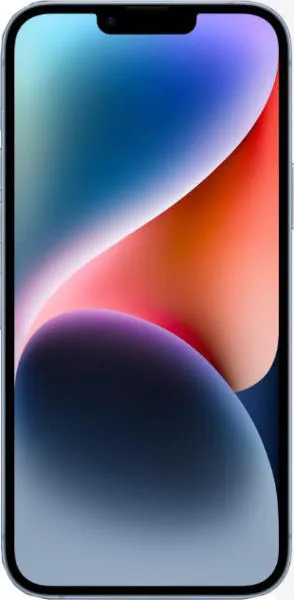
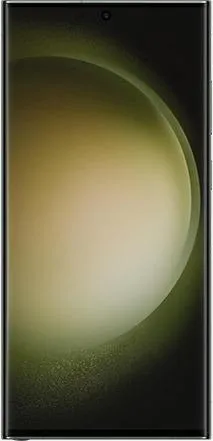
iPhone 14 Plus vs. Samsung Galaxy S23 Ultra: A Deep Dive
Let's dissect the Apple iPhone 14 Plus and the Samsung Galaxy S23 Ultra, two titans of the smartphone arena, to see which one comes out on top. I'll break down the specs, translate them into real-world experiences, and help you figure out which phone fits your needs.
1. Specifications Breakdown
| Feature | Apple iPhone 14 Plus | Samsung Galaxy S23 Ultra | Real-World Implications |
|---|---|---|---|
| Design | |||
| Dimensions (mm) | 160.8 x 78.1 x 7.8 | 163.4 x 78.1 x 8.9 | S23 Ultra slightly taller and noticeably thicker |
| Weight (g) | 203 | 234 | S23 Ultra feels more substantial in hand |
| Build Materials | Aluminum & Glass | Aluminum & Glass | Both premium, durable builds |
| Display | |||
| Display Type | Super Retina XDR OLED | Dynamic AMOLED 2X | Both offer vibrant colors and deep blacks; AMOLED generally has better power efficiency |
| Display Size (inches) | 6.7 | 6.8 | Negligible difference in screen real estate |
| Resolution (px) | 1284 x 2778 | 1440 x 3088 | S23 Ultra sharper due to higher pixel density |
| Refresh Rate (Hz) | 60 | 120 | S23 Ultra smoother for scrolling and gaming |
| Peak Brightness (nits) | 1200 | 1750 | S23 Ultra more visible in direct sunlight |
| Performance | |||
| Chipset | Apple A15 Bionic | Qualcomm Snapdragon 8 Gen 2 | S23 Ultra boasts newer, more powerful processor |
| CPU | Hexa-core | Octa-core | S23 Ultra likely to handle intensive tasks better |
| GPU | Apple GPU (5-core) | Adreno 740 | S23 Ultra expected to deliver superior gaming performance |
| RAM (GB) | 6 | 8/12 | S23 Ultra offers more RAM for multitasking |
| Camera | |||
| Main Camera (MP) | 12 | 200 | S23 Ultra significantly higher resolution for detailed photos |
| Ultrawide (MP) | 12 | 12 | Comparable ultrawide capabilities |
| Telephoto (MP) | N/A (Digital Zoom only) | 10MP (3x) & 10MP (10x) | S23 Ultra offers true optical zoom for distant subjects |
| Video Recording | Up to 4K@60fps | Up to 8K@30fps | S23 Ultra capable of higher resolution video |
| Battery Life | |||
| Battery Capacity (mAh) | 4323 | 5000 | S23 Ultra has a larger battery, potentially longer lasting |
2. Key Insights
- Performance: The Snapdragon 8 Gen 2 in the S23 Ultra significantly outperforms the A15 Bionic in benchmarks, translating to smoother multitasking, faster app loading, and better gaming performance. While the A15 is still powerful, the S23 Ultra offers a noticeable leap.
- Display: The S23 Ultra's 120Hz adaptive refresh rate makes everyday interactions feel incredibly fluid. Its higher resolution and peak brightness also provide a superior visual experience, especially outdoors.
- Camera: The S23 Ultra's 200MP main sensor and dual telephoto lenses offer unparalleled versatility and detail. While Apple's computational photography is excellent, the S23 Ultra's hardware advantage is clear. The 10x Optical Zoom on the S23 Ultra is a game-changer for capturing distant subjects.
- Battery Life: The S23 Ultra's larger battery capacity should provide longer usage time between charges. However, real-world battery life depends on various factors, including usage patterns and display settings.
3. User Profiles and Recommendations
- iPhone 14 Plus: Ideal for users prioritizing simplicity, a seamless iOS experience, and excellent battery life. It's a great choice for those entrenched in the Apple ecosystem who value ease of use over cutting-edge specs.
- Samsung Galaxy S23 Ultra: The power user's dream phone. Perfect for photographers, videographers, mobile gamers, and anyone demanding top-tier performance and the most advanced features.
4. Buying Decision Framework
- What is your budget? The S23 Ultra sits at a higher price point.
- What operating system do you prefer? iOS or Android?
- What are your primary use cases? Photography, gaming, general use?
My Choice: As a tech journalist who pushes devices to their limits, I'd choose the Samsung Galaxy S23 Ultra. The combination of raw power, a stunning display, and a versatile camera system is too compelling to resist. The significant advancements in performance, camera technology, and the brighter, smoother display outweigh the price difference and the slightly heavier feel for my needs. I appreciate the flexibility and customization options Android offers, and the S23 Ultra's cutting-edge hardware aligns perfectly with my workflow.
