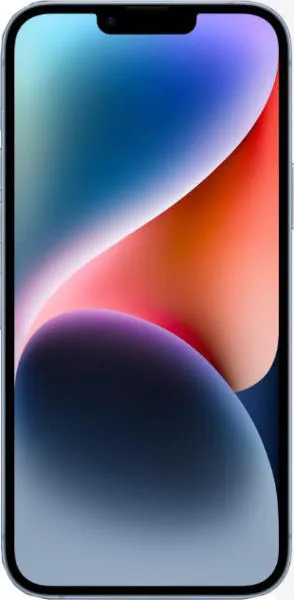
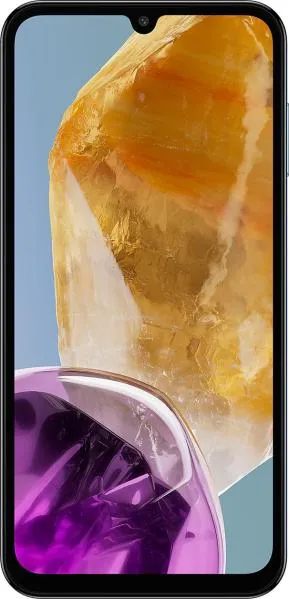
iPhone 14 Plus vs. Samsung Galaxy M15: A Deep Dive
Let's dissect the iPhone 14 Plus and the Samsung Galaxy M15, cutting through the marketing jargon to uncover what truly matters: how these phones perform in real life.
1. Specifications Breakdown
| Feature | Apple iPhone 14 Plus | Samsung Galaxy M15 | Real-World Implications |
|---|---|---|---|
| Design | |||
| Dimensions (mm) | 160.8 x 78.1 x 7.8 | 160.1 x 76.8 x 9.3 | iPhone 14 Plus is slightly thinner and lighter, enhancing one-handed usability. |
| Weight (g) | 203 | 217 | Noticeable difference in hand; M15's larger battery contributes to its weight. |
| Build Materials | Glass & Aluminum | Plastic | iPhone's premium materials offer better durability and a more luxurious feel. |
| Display | |||
| Display Type | Super Retina XDR OLED | Super AMOLED | Both offer vibrant colors and deep blacks; OLED generally provides better contrast. |
| Display Size (in) | 6.7 | 6.5 | iPhone offers slightly more screen real estate for immersive content consumption. |
| Resolution | 1284 x 2778 | 1080 x 2340 | iPhone boasts a sharper display with higher pixel density, resulting in crisper visuals. |
| Refresh Rate (Hz) | 60 | 90 | M15's higher refresh rate results in smoother scrolling and animations. |
| Performance | |||
| Chipset | Apple A15 Bionic | Dimensity 6100+ | A15 is significantly more powerful, delivering superior performance in demanding tasks. |
| CPU | Hexa-core | Octa-core | Core count doesn't directly translate to performance; A15's architecture is superior. |
| RAM (GB) | 6 | 4/6 | 6GB RAM on both higher-end M15 variants ensures smoother multitasking. |
| OS | iOS 16 | Android 14 | Preference-based; iOS is known for simplicity, Android for customization. |
| Camera | |||
| Main Camera (MP) | 12 | 50 | Higher megapixel count on M15 doesn't guarantee better image quality. |
| Camera Features | Sensor-shift OIS | Digital IS | iPhone's sensor-shift stabilization provides significantly superior video stability. |
| Battery Life | |||
| Capacity (mAh) | 4323 | 6000 | M15's significantly larger battery likely translates to longer usage time. |
2. Key Insights
- Performance: The iPhone 14 Plus, powered by the A15 Bionic chip, significantly outperforms the Galaxy M15. This translates to faster app loading, smoother multitasking, and a more responsive overall experience, especially noticeable in demanding tasks like gaming or video editing.
- Display: While both phones offer excellent displays, the iPhone 14 Plus edges out the M15 with its sharper resolution and superior HDR capabilities, resulting in a more detailed and vibrant viewing experience. However, the M15's 90Hz refresh rate delivers smoother scrolling and animations.
- Camera: While the M15 boasts a higher megapixel count, the iPhone 14 Plus likely delivers superior image quality due to Apple's advanced image processing and sensor-shift optical image stabilization, resulting in sharper photos and significantly smoother videos.
- Battery Life: The Galaxy M15's massive 6000mAh battery will likely provide considerably longer battery life compared to the iPhone 14 Plus's 4323mAh battery. This is a significant advantage for heavy users.
- Operating System: The choice between iOS and Android comes down to personal preference. iOS offers a streamlined, user-friendly experience, while Android allows for greater customization and flexibility.
3. User Profiles and Recommendations
- iPhone 14 Plus: Ideal for users who prioritize performance, premium design, a polished user experience, and excellent camera quality. Power users, content creators, and those who value a seamless ecosystem will appreciate the iPhone.
- Samsung Galaxy M15: Best suited for budget-conscious users who prioritize long battery life and a large display. Casual users, social media enthusiasts, and those who prefer the flexibility of Android will find the M15 a good fit.
4. Buying Decision Framework
- What is your budget? The iPhone 14 Plus is significantly more expensive.
- What is most important to you: Performance, battery life, camera, or display? Each phone excels in different areas.
- Do you prefer iOS or Android? This is a crucial factor in the overall user experience.
My Choice: As a tech journalist who values performance, a refined user experience, and a top-tier camera, I would choose the iPhone 14 Plus. While the M15 offers impressive battery life, the A15 Bionic's superior performance and the iPhone's overall polished experience are more aligned with my needs. I am willing to sacrifice some battery life for a significantly smoother and more powerful device, especially for tasks like video editing and content creation. The robust app ecosystem and consistent software updates of iOS are also compelling factors.
