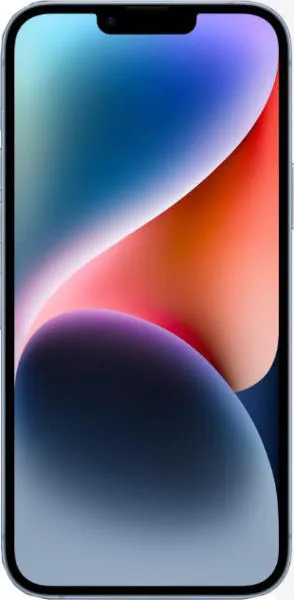
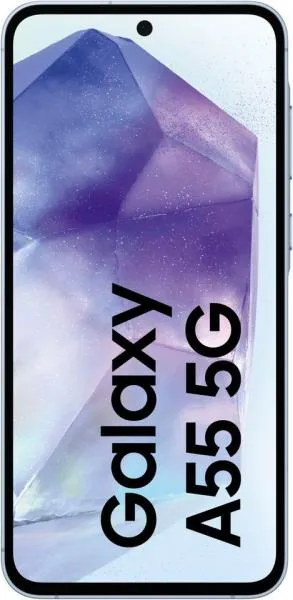
iPhone 14 Plus vs. Samsung Galaxy A55: A Detailed Comparison
Let's dive deep into the specs and see how these two mid-range contenders stack up against each other in the real world. Both the iPhone 14 Plus and the Samsung Galaxy A55 offer compelling features, but they cater to different needs and priorities.
1. Specifications Breakdown
| Feature | Apple iPhone 14 Plus | Samsung Galaxy A55 | Real-World Implications |
|---|---|---|---|
| Design | |||
| Dimensions (mm) | 160.8 x 78.1 x 7.8 | 161.1 x 77.4 x 8.2 | A55 slightly larger, thicker. Negligible difference in hand feel for most users. |
| Weight (g) | 203 | 213 | A55 is slightly heavier; likely imperceptible in daily use. |
| Build Materials | Aluminum & Glass | Plastic Frame & Glass Back | iPhone boasts a more premium feel, potentially better durability. A55's plastic could feel less robust. |
| Display | |||
| Size (inches) | 6.7 | 6.6 | Virtually identical screen real estate. |
| Resolution (px) | 1284 x 2778 | 1080 x 2340 | iPhone significantly sharper (458 ppi vs 390 ppi), noticeable in text clarity and image detail. |
| Panel Type | Super Retina XDR OLED | Super AMOLED | Both offer vibrant colors and deep blacks. iPhone's likely brighter with better HDR performance. |
| Refresh Rate (Hz) | 60 | 120 | A55's 120Hz offers smoother scrolling and animations, more responsive feel. |
| Performance | |||
| Chipset | Apple A15 Bionic | Exynos 1480 | A15 is a generation older but renowned for its performance and efficiency; real-world performance needs testing to determine a clear winner. |
| CPU | Hexa-core | Octa-core | Core count less crucial than architecture and clock speed; practical difference requires benchmarking. |
| RAM (GB) | 6 | 8/12 | A55 offers more RAM, potentially better multitasking, especially the 12GB variant. |
| Camera | |||
| Main Camera (MP) | 12 | 50 | Higher megapixel count on A55 doesn't guarantee better photos; image processing crucial. |
| Video Recording | 4K@60fps | 4K@30fps | iPhone offers higher frame rate video recording for smoother footage. |
| Battery Life | |||
| Capacity (mAh) | 4323 | 5000 | A55 has a larger battery, suggesting longer endurance. Real-world usage will vary. |
2. Key Insights
- Performance: While the A15 is a previous generation chip, Apple's silicon is known for punching above its weight class. The Exynos 1480 is newer, but we need real-world benchmarks to determine a clear winner. The A55's extra RAM could provide an advantage in multitasking.
- Display: The iPhone 14 Plus boasts a sharper, likely brighter display with superior HDR performance. However, the A55's 120Hz refresh rate will deliver a noticeably smoother and more responsive user experience. This is a classic trade-off between visual fidelity and fluidity.
- Camera: Megapixel count isn't everything. Apple's computational photography prowess could make the 12MP iPhone camera competitive with the A55's 50MP sensor. The iPhone's advantage lies in video recording with its 4K@60fps capability.
- Battery: The A55's larger 5000mAh battery likely translates to longer battery life, a significant advantage for heavy users.
3. User Profiles and Recommendations
- iPhone 14 Plus: Best for users prioritizing a premium build, a vibrant and sharp display, excellent video recording capabilities, and a seamless iOS experience. Those already invested in the Apple ecosystem will find this a natural upgrade.
- Samsung Galaxy A55: Ideal for users seeking a smooth and responsive display, potentially longer battery life, expandable storage (via microSD, not listed but typical for A series), and the flexibility of Android. Great choice for power users who value multitasking and those on a tighter budget.
4. Buying Decision Framework
- Is display smoothness a priority? If yes, the A55's 120Hz refresh rate is a significant advantage.
- How important is overall performance and app ecosystem? The iPhone's A15 and iOS are known for their optimized performance.
- What's your budget and desired battery life? The A55 likely offers better battery life at a more affordable price.
My Choice: While both phones are compelling, I would choose the iPhone 14 Plus. The A15 Bionic's proven performance, combined with the superior display quality (sharpness and HDR) and the polished iOS experience, outweigh the benefits of the A55's 120Hz display and larger battery for my personal use. I prioritize a smooth, consistent user experience and a high-quality display for content consumption. However, if budget was a major constraint and battery life was paramount, the A55 would be a very strong contender.
