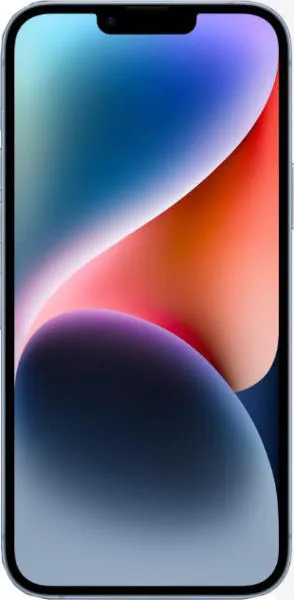
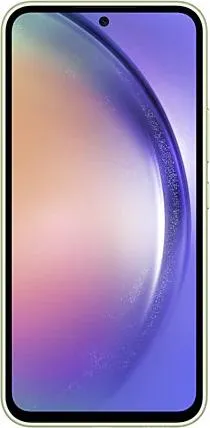
iPhone 14 Plus vs. Samsung Galaxy A54: A Real-World Comparison
Let's dive deep into a comparative analysis of the Apple iPhone 14 Plus and the Samsung Galaxy A54, dissecting their technical specifications and translating them into practical, everyday experiences. We'll uncover the nuances of each device, empowering you to choose the smartphone that truly fits your needs.
1. Specifications Breakdown
| Feature | Apple iPhone 14 Plus | Samsung Galaxy A54 | Real-World Implications |
|---|---|---|---|
| Design | |||
| Dimensions (mm) | 160.8 x 78.1 x 7.8 | 158.2 x 76.7 x 8.2 | iPhone 14 Plus is slightly taller and wider but thinner. A54 feels a bit chunkier. |
| Weight (g) | 203 | 202 | Negligible weight difference; both feel substantial in hand. |
| Build Materials | Aluminum & Glass | Glass & Plastic | iPhone boasts premium materials, A54 prioritizes durability with a plastic frame. |
| Display | |||
| Size (inches) | 6.7 | 6.4 | iPhone offers a larger screen for immersive content consumption. |
| Resolution (px) | 1284 x 2778 | 1080 x 2340 | iPhone has a sharper display with higher pixel density (458 ppi vs 403 ppi). |
| Panel Type | Super Retina XDR OLED | Super AMOLED | Both offer vibrant colors and deep blacks; OLED technology excels in visual quality. |
| Refresh Rate (Hz) | 60 | 120 | A54's 120Hz refresh rate provides smoother scrolling and animations. |
| Performance | |||
| Chipset | A15 Bionic | Exynos 1380 | A15 Bionic generally delivers superior processing power and graphics performance. |
| RAM (GB) | 6 | 8 | A54's higher RAM might improve multitasking, but A15's efficiency can compensate. |
| OS | iOS 16 | Android 13 | iOS is known for simplicity and optimization; Android offers greater customization. |
| Camera | |||
| Main Camera (MP) | 12 | 50 | A54 boasts higher megapixel count, potentially capturing more detail. |
| Video Recording | 4K@60fps | 4K@30fps | iPhone records higher resolution video at a smoother frame rate. |
| Battery Life | |||
| Capacity (mAh) | 4323 | 5000 | A54 offers a larger battery capacity, promising longer usage time. |
2. Key Insights
The iPhone 14 Plus shines with its powerful A15 Bionic chip, ensuring a fluid and responsive user experience. Its superior display delivers stunning visuals, making it ideal for media consumption and gaming. However, the 60Hz refresh rate feels dated compared to the competition.
The Samsung Galaxy A54, while less powerful, counters with a smoother 120Hz display, a larger battery, and a higher resolution main camera. It offers excellent value, providing a well-rounded experience at a more affordable price point. Its Exynos processor is capable for daily tasks, but demanding users might notice performance differences compared to the iPhone.
3. User Profiles and Recommendations
iPhone 14 Plus: Ideal for users prioritizing performance, a premium ecosystem, and a polished user experience. Power users, gamers, and content creators will appreciate its raw power and vibrant display.
Samsung Galaxy A54: Best suited for budget-conscious users seeking a well-rounded device with a long-lasting battery and a smooth display. Casual users, social media enthusiasts, and those prioritizing battery life will find it a compelling option.
4. Buying Decision Framework
- What is your budget? The A54 offers excellent value for its price, while the iPhone commands a premium.
- What are your performance needs? The iPhone excels in demanding tasks, while the A54 handles everyday use with ease.
- What features matter most? Prioritize battery life with the A54 or a premium display and processing power with the iPhone.
My Choice: iPhone 14 Plus
While the Galaxy A54 is a compelling device for the price, I would choose the iPhone 14 Plus. The A15 Bionic's significant performance advantage is crucial for my workflow, which involves heavy multitasking, photo editing, and occasional mobile gaming. The vibrant, high-resolution display enhances my media consumption experience. Although the A54's 120Hz refresh rate and larger battery are tempting, the iPhone's overall performance and ecosystem integration better suit my needs. iOS's optimized performance and long-term software support solidify my decision. The price premium is justified for the longevity and consistent performance I expect from a smartphone.
