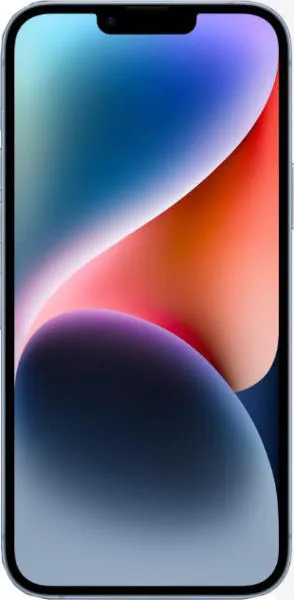
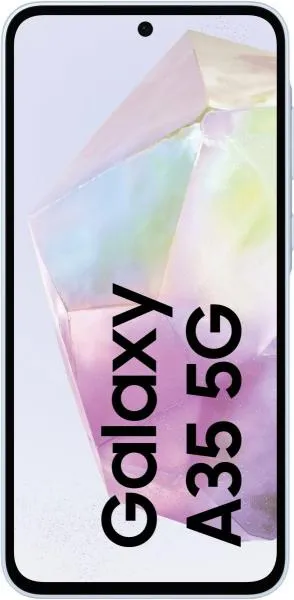
iPhone 14 Plus vs. Samsung Galaxy A35: A Deep Dive
Let's dissect the Apple iPhone 14 Plus and the Samsung Galaxy A35, two compelling smartphones vying for your attention in the mid-range market. We'll go beyond the spec sheet to uncover what these numbers truly mean for your daily life.
1. Specifications Breakdown
| Feature | Apple iPhone 14 Plus | Samsung Galaxy A35 | Real-World Implications |
|---|---|---|---|
| Design | |||
| Dimensions (mm) | 160.8 x 78.1 x 7.8 | 161.7 x 78 x 8.2 | iPhone 14 Plus is slightly thinner and shorter. Negligible difference in hand feel for most users. |
| Weight (g) | 203 | 209 | Virtually identical weight; both feel substantial in hand. |
| Build Materials | Aluminum & Glass | Plastic & Glass | iPhone boasts a more premium feel with its aluminum frame, while A35 might offer better durability against drops. |
| Display | |||
| Size (inches) | 6.7 | 6.6 | Both offer large, immersive screens, excellent for media consumption and gaming. |
| Resolution (px) | 1284 x 2778 | 1080 x 2340 | iPhone packs significantly higher pixel density (458 ppi vs. 390 ppi), resulting in sharper text and images. |
| Panel Type | Super Retina XDR OLED | Super AMOLED | Both offer vibrant colors and deep blacks. OLED generally provides better contrast and power efficiency. |
| Refresh Rate (Hz) | 60 | 120 | A35's 120Hz delivers smoother scrolling and animations, enhancing the user experience, especially in gaming. |
| Performance | |||
| Chipset | A15 Bionic | Exynos 1380 | A15, despite being a generation older, boasts superior CPU and GPU performance in benchmarks, leading to faster app loading and smoother gaming. |
| RAM (GB) | 6 | 8 | While A35 has more RAM, iOS's memory management often allows iPhones to perform efficiently with less. |
| OS | iOS 16 | Android 14 | Preference-based; iOS known for simplicity and security, Android for customization and open ecosystem. |
| Camera | |||
| Main Camera (MP) | 12 | 50 | A35's higher megapixel count suggests potential for more detail, but image quality depends heavily on sensor and processing. |
| Video Recording | Up to 4K @ 60fps | Up to 4K @ 30fps | iPhone offers higher resolution and frame rate video recording capabilities. |
| Battery Life | |||
| Capacity (mAh) | 4323 | 5000 | A35 has a larger battery, potentially leading to longer usage time. However, real-world battery life depends on various factors. |
2. Key Insights
The iPhone 14 Plus shines with its superior performance, sharper display, and higher quality video recording. The A15 Bionic chip, though older, still outperforms the Exynos 1380. You'll experience faster app launches, smoother gameplay, and quicker photo processing. The higher resolution display translates to crisper visuals, enhancing everything from browsing to watching videos.
The Samsung Galaxy A35 counters with a smoother 120Hz display, a larger battery, and a more versatile camera system on paper. The faster refresh rate is noticeable in day-to-day use, making scrolling and animations feel more fluid. The larger 5000mAh battery potentially provides longer usage time between charges. While megapixel count isn't everything, the A35's 50MP main sensor holds potential for capturing highly detailed images.
3. User Profiles and Recommendations
iPhone 14 Plus: Ideal for users prioritizing performance, a polished user experience, and high-quality video recording. Power users, gamers, and content creators will appreciate the speed and efficiency of the A15 Bionic and the stunning display.
Samsung Galaxy A35: Best suited for users who value a smooth display, long battery life, and a versatile camera system. Casual users, social media enthusiasts, and those who prioritize all-day battery life will find the A35 appealing.
4. Buying Decision Framework
- Is raw performance your top priority? If yes, the iPhone 14 Plus's A15 Bionic chip offers a noticeable advantage.
- How important is battery life? The A35's larger battery likely provides longer endurance, but real-world usage patterns will vary.
- Do you prefer a smoother display or a sharper one? The A35's 120Hz refresh rate provides fluid animations, while the iPhone 14 Plus boasts higher pixel density for crisper visuals.
My Choice: The iPhone 14 Plus
While the Samsung Galaxy A35 offers compelling features like a 120Hz display and a larger battery, I would choose the iPhone 14 Plus. My decision hinges on the superior performance of the A15 Bionic chip and the sharper display. As someone who values a responsive and fluid user experience, the A15's consistent performance in demanding tasks is crucial. Additionally, I prioritize image and video quality, and the iPhone's track record in this area, combined with its higher resolution display, makes it the winner for me. The smoother refresh rate of the A35 is tempting, but the overall performance and visual fidelity of the iPhone 14 Plus align better with my needs and preferences. Finally, long-term software updates and Apple's ecosystem are also significant factors for me.
