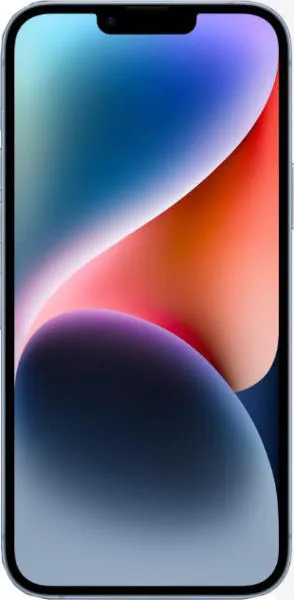
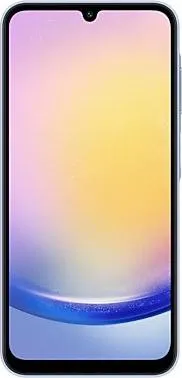
Let's dive into a comparative analysis of the Apple iPhone 14 Plus and the Samsung Galaxy A25, dissecting their technical specifications and translating them into real-world implications for you.
1. Specifications Breakdown
| Feature | Apple iPhone 14 Plus | Samsung Galaxy A25 | Real-World Implications | |
|---|---|---|---|---|
| Design | ||||
| Dimensions (mm) | 160.8 x 78.1 x 7.8 | 161 x 76.5 x 8.3 | iPhone 14 Plus is slightly thinner and narrower, potentially offering a more comfortable one-handed grip. | |
| Weight (g) | 203 | 197 | Negligible weight difference in practical use. | |
| Build Materials | Glass, Aluminum | Plastic | iPhone boasts a premium feel with its glass and aluminum construction; A25 prioritizes durability. | |
| Display | ||||
| Size (inches) | 6.7 | 6.5 | iPhone 14 Plus offers a larger screen for more immersive content consumption. | |
| Resolution (px) | 1284 x 2778 | 1080 x 2340 | Sharper, more detailed visuals on the iPhone 14 Plus due to higher pixel density (458 vs 396 PPI). | |
| Display Type | Super Retina XDR OLED | Super AMOLED | Both offer vibrant colors and deep blacks; iPhone's OLED might have slightly better color accuracy. | |
| Refresh Rate (Hz) | 60 | 120 | Smoother scrolling and animations on the A25 thanks to its higher refresh rate. | |
| Performance | ||||
| Chipset | A15 Bionic | Exynos 1280 | A15 Bionic significantly outperforms the Exynos 1280 in processing power and graphics performance. | |
| CPU | Hexa-core | Octa-core | While A25 has more cores, the architecture and efficiency of A15 give iPhone a clear performance edge. | |
| RAM (GB) | 6 | 8 | More RAM on the A25 can help with multitasking, but iPhone's optimized OS often requires less RAM. | |
| Camera | ||||
| Main Camera (MP) | 12 | 50 | Higher megapixel count on A25 doesn't guarantee better image quality; iPhone excels in computational photography. | |
| Video Recording | 4K@60fps | 4K@30fps | iPhone 14 Plus supports higher resolution and frame rate video recording. | |
| Battery Life | ||||
| Capacity (mAh) | 4323 | 5000 | Larger battery in the A25 suggests potentially longer battery life, but real-world usage varies. |
2. Key Insights
Performance: The iPhone 14 Plus, powered by the A15 Bionic chip, boasts a significant performance advantage. This translates to faster app loading, smoother gaming, and more responsive multitasking compared to the Galaxy A25.
Display: Both phones offer excellent displays. The iPhone 14 Plus has a slightly larger and sharper display with potentially superior color accuracy. However, the Galaxy A25's 120Hz refresh rate provides a noticeable advantage in terms of smooth scrolling and animations.
Camera: While the Galaxy A25 boasts a 50MP main camera, the iPhone 14 Plus excels in overall image quality due to Apple's advanced computational photography algorithms and superior video recording capabilities.
Battery: The Galaxy A25 has a larger battery capacity, suggesting longer battery life. However, real-world battery performance depends on various factors like usage patterns and software optimization. Apple’s tight integration of hardware and software often results in impressive battery efficiency despite smaller battery capacities.
3. User Profiles and Recommendations
- iPhone 14 Plus: Ideal for users who prioritize performance, a premium user experience, a vibrant display, and a top-tier camera, especially for video recording. It's a great choice for power users, content creators, and mobile gamers.
- Samsung Galaxy A25: Suitable for users who value a smooth display, long battery life, and a more affordable price point. It's a good option for casual users, social media enthusiasts, and those who prioritize all-day battery endurance over peak performance.
4. Buying Decision Framework
- What is your budget? The iPhone 14 Plus is positioned in a higher price bracket than the Galaxy A25.
- What are your performance needs? If you need a powerful phone for demanding tasks or gaming, the iPhone 14 Plus is the clear winner.
- What features do you value most? Prioritize a smooth display? Choose the A25. Need the best possible camera, especially video? The iPhone 14 Plus is the better option.
My Choice
Personally, I would choose the iPhone 14 Plus. While the Galaxy A25 offers a compelling combination of features for its price, I prioritize the seamless performance, exceptional camera quality (especially for video), and the overall refined user experience offered by the iPhone. The A15 Bionic's substantial performance lead ensures a future-proof device that can handle demanding tasks and software updates for years to come. While the 120Hz display on the A25 is tempting, the superior image quality and video capabilities of the iPhone 14 Plus align more closely with my personal needs and preferences. The tighter integration of Apple's hardware and software ecosystem also contributes to a more consistent and reliable user experience.
