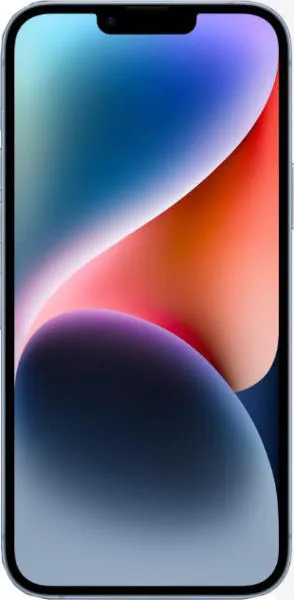
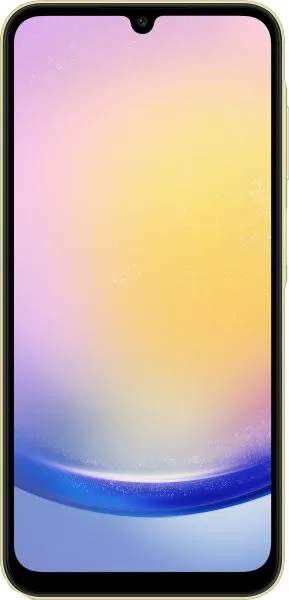
iPhone 14 Plus vs. Samsung Galaxy A15 5G: A Detailed Comparison
The smartphone market offers a dizzying array of choices, and deciding between two seemingly similar devices can be challenging. Today, we'll dissect the Apple iPhone 14 Plus and the Samsung Galaxy A15 5G, two "medium priced" contenders with distinct strengths. This analysis goes beyond the spec sheet, translating technical jargon into practical implications for everyday use.
1. Specifications Breakdown
| Feature | Apple iPhone 14 Plus | Samsung Galaxy A15 5G | Real-World Implications |
|---|---|---|---|
| Design | |||
| Dimensions (mm) | 160.8 x 78.1 x 7.8 | 160.1 x 76.8 x 8.4 | A15 slightly wider, thicker; iPhone marginally taller, slimmer. |
| Weight (g) | 203 | 200 | Negligible difference in hand feel. |
| Build Materials | Aluminum & Glass | Plastic Frame | iPhone feels more premium; A15 potentially more durable. |
| Display | |||
| Size (inches) | 6.7 | 6.5 | iPhone offers a larger viewing area. |
| Resolution (px) | 1284 x 2778 | 1080 x 2340 | iPhone boasts significantly sharper visuals. |
| Display Type | Super Retina XDR OLED | Super AMOLED | Both offer vibrant colors and deep blacks; iPhone brighter. |
| Refresh Rate (Hz) | 60 | 90 | A15 smoother for scrolling and animations. |
| Performance | |||
| Chipset | A15 Bionic (5 nm) | Dimensity 6100+ (6 nm) | iPhone significantly faster and more power-efficient. |
| CPU | Hexa-core | Octa-core | Core count less crucial than architecture; iPhone's CPU superior. |
| RAM (GB) | 6 | 4/6/8 | iPhone's optimized OS requires less RAM. |
| Camera | |||
| Main Camera (MP) | 12 | 50 | Higher megapixel count on A15 doesn't guarantee better photos. |
| Video | 4K@60fps, Dolby Vision | 1080p@30fps | iPhone drastically superior in video quality and features. |
| Battery Life | |||
| Capacity (mAh) | 4323 | 5000 | A15 has larger capacity; iPhone likely more efficient. |
2. Key Insights
The iPhone 14 Plus, despite being a generation older, boasts a noticeably more powerful processor (A15 Bionic), resulting in smoother performance, superior gaming capabilities, and longer-term software support. Its display, while having a standard 60Hz refresh rate, is brighter and sharper than the A15's. The camera system, particularly for video recording, is leagues ahead.
The Samsung Galaxy A15 5G counters with a larger battery, a higher refresh rate display for smoother scrolling, and a more affordable price. Its 5G connectivity and expandable storage via microSD card might appeal to some users. However, its processor is less powerful, the camera system is significantly less capable, particularly in video recording, and the overall build quality feels less premium.
3. User Profiles and Recommendations
iPhone 14 Plus: Ideal for users prioritizing performance, a polished user experience, long-term software updates, a vibrant display, and superior camera quality, especially for video. Gamers, content creators, and those who value a premium feel will appreciate the iPhone.
Samsung Galaxy A15 5G: Best suited for budget-conscious users who prioritize battery life, 5G connectivity, and a smooth display for everyday tasks like browsing and social media. Expandable storage is a plus for those who need ample space for media.
4. Buying Decision Framework
- What is your budget? The A15 is significantly cheaper.
- What are your primary use cases? Gaming, content creation, and demanding tasks favor the iPhone. Basic use, long battery life, and affordability favor the A15.
- How important are camera quality and performance? The iPhone significantly outperforms the A15 in these areas.
Scenario-Based Recommendations:
- Student on a Budget: Samsung Galaxy A15 5G
- Mobile Gamer: iPhone 14 Plus
- Content Creator: iPhone 14 Plus
- User seeking long-term software updates: iPhone 14 Plus
My Choice: iPhone 14 Plus
While the Samsung Galaxy A15 5G offers a tempting price, the iPhone 14 Plus is the clear winner for me. As a tech journalist, performance, a refined user experience, and a top-tier camera are crucial. The A15's compromises in these areas, especially the processor and camera system, are too significant to overlook. The A15's larger battery and faster refresh rate don't compensate for the iPhone's substantial advantages in core areas that impact daily use. The iPhone's longer software support also ensures a device that remains relevant and secure for years to come, making it a better long-term investment despite the higher initial cost. In the long run, the superior user experience and longevity of the iPhone 14 Plus justify the price premium.
