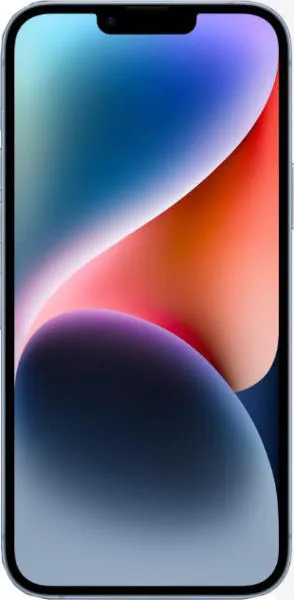
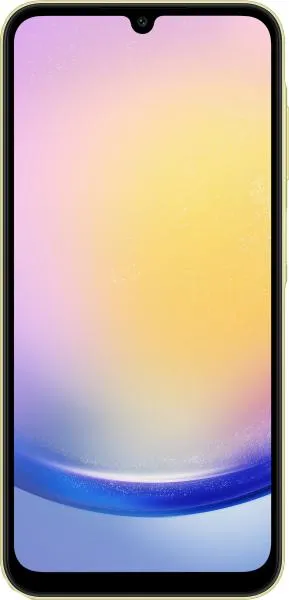
Let's dive into a comparative analysis of the Apple iPhone 14 Plus and the Samsung Galaxy A15, dissecting their technical specifications and translating them into real-world implications for you.
1. Specifications Breakdown
| Feature | Apple iPhone 14 Plus | Samsung Galaxy A15 | Real-World Implications |
|---|---|---|---|
| Design | |||
| Dimensions (mm) | 160.8 x 78.1 x 7.8 | 160.1 x 76.8 x 8.4 | A15 is slightly thicker. Negligible difference in overall size. |
| Weight (g) | 203 | 200 | Virtually identical weight; both phones have a noticeable heft. |
| Build Materials | Aluminum & Glass | Plastic | iPhone 14 Plus offers a more premium feel and potentially better durability. |
| Display | |||
| Size (inches) | 6.7 | 6.5 | iPhone offers a slightly larger screen for more immersive content consumption. |
| Resolution (px) | 1284 x 2778 | 1080 x 2340 | iPhone boasts significantly sharper visuals due to higher resolution and pixel density (458 vs 396 ppi). |
| Display Type | Super Retina XDR OLED | Super AMOLED | Both offer vibrant colors and deep blacks; OLED generally superior to LCD. |
| Refresh Rate (Hz) | 60 | 90 | A15's 90Hz delivers smoother scrolling and animations. |
| Performance | |||
| Chipset | A15 Bionic (5 nm) | Helio G99 (6 nm) | iPhone's A15 is significantly more powerful, enabling smoother multitasking and demanding gaming. |
| CPU | Hexa-core | Octa-core | Core count doesn't directly equate to performance; A15's architecture is superior. |
| RAM (GB) | 6 | 6/8 | A15 offers an 8GB RAM variant, potentially beneficial for heavy multitasking, but iPhone's OS is more memory efficient. |
| OS | iOS 16 | Android 14 | Preference-based; iOS known for simplicity and optimization, Android for customization. |
| Camera | |||
| Rear Camera (MP) | 12 + 12 | 50 + 5 + 2 | A15 boasts higher megapixel count on the primary lens, but image quality depends on various factors. |
| Video Recording | Up to 4K@60fps | 1080p@30fps | iPhone offers superior video recording capabilities with higher resolution and frame rates. |
| Battery Life | |||
| Capacity (mAh) | 4323 | 5000 | A15 has a larger battery capacity, potentially translating to longer usage time. |
2. Key Insights
- Performance: The iPhone 14 Plus, powered by the A15 Bionic chip, significantly outperforms the Galaxy A15 in processing power and graphics performance. This translates to a smoother, more responsive user experience, especially for demanding tasks like gaming and video editing.
- Display: While both phones utilize excellent display technologies, the iPhone's Super Retina XDR OLED offers a noticeably higher resolution, resulting in crisper text and images. The A15's 90Hz refresh rate provides smoother scrolling, a feature some users may prioritize.
- Camera: While megapixels aren't everything, the iPhone generally produces superior image quality, particularly in video recording. Its advanced features and image processing contribute to better results.
- Battery: The A15 boasts a larger battery, promising longer usage on a single charge. However, real-world battery life depends heavily on usage patterns.
- Software: iOS and Android cater to different preferences. iOS is renowned for its simplicity and seamless integration, while Android offers greater customization and flexibility.
3. User Profiles and Recommendations
- iPhone 14 Plus: Ideal for users who prioritize performance, a premium user experience, a vibrant and sharp display, and excellent camera quality. Power users, content creators, and mobile gamers will appreciate its capabilities.
- Samsung Galaxy A15: Best suited for budget-conscious users who prioritize battery life, a large screen, and the flexibility of the Android operating system. Casual users who primarily use their phones for social media, browsing, and communication will find it a suitable option.
4. Buying Decision Framework
- What is your budget? The iPhone 14 Plus is significantly more expensive.
- What are your performance needs? For demanding tasks, the iPhone 14 Plus is the clear winner.
- Which operating system do you prefer? This is largely a matter of personal preference.
My Choice
If I were choosing between these two phones, I'd opt for the iPhone 14 Plus. While the price difference is substantial, the superior performance, display quality, and overall user experience offered by the A15 Bionic chip, coupled with the refined iOS ecosystem, are compelling. As someone who values a smooth and responsive device for both work and leisure, the iPhone 14 Plus aligns better with my needs. The A15's advantages in battery capacity and refresh rate are not enough to outweigh the iPhone's significant strengths for my usage.
