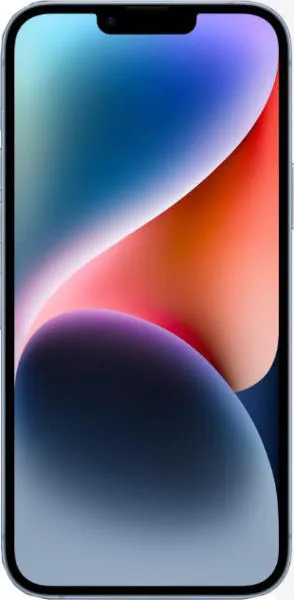
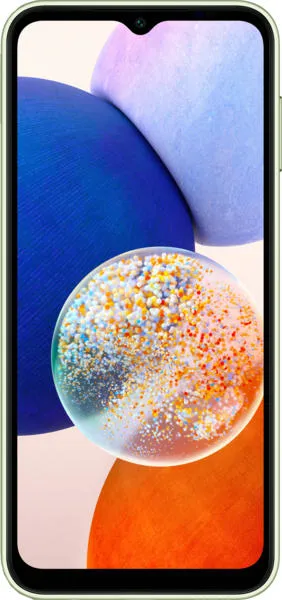
iPhone 14 Plus vs. Samsung Galaxy A14 5G: A Deep Dive
Let's dissect the Apple iPhone 14 Plus and the Samsung Galaxy A14 5G, two compelling smartphones catering to different needs and budgets. We'll go beyond the spec sheet to understand what these differences really mean for you.
1. Specifications Breakdown
| Feature | Apple iPhone 14 Plus | Samsung Galaxy A14 5G | Real-World Implications |
|---|---|---|---|
| Design | |||
| Dimensions (mm) | 160.8 x 78.1 x 7.8 | 167.7 x 78 x 9.1 | iPhone 14 Plus is slightly smaller and significantly thinner, making it more pocketable. |
| Weight (g) | 203 | 202 | Negligible weight difference. |
| Build Material | Aluminum & Glass | Plastic | iPhone boasts a more premium feel and potentially better durability. |
| Display | |||
| Size (inches) | 6.7 | 6.6 | Virtually identical screen real estate. |
| Resolution (px) | 1284 x 2778 | 1080 x 2408 | iPhone has a sharper, more detailed display (458 ppi vs. 400 ppi). |
| Panel Type | Super Retina XDR OLED | PLS LCD | iPhone's OLED delivers richer colors, deeper blacks, and better contrast. |
| Refresh Rate (Hz) | 60 | 90 | Galaxy A14 5G offers smoother scrolling and animations. |
| Performance | |||
| Chipset | Apple A15 Bionic | Exynos 1330 | A15 is significantly more powerful, resulting in faster app loading, smoother gaming. |
| CPU | Hexa-core | Octa-core | Core count doesn't directly translate to performance; A15's architecture is superior. |
| RAM (GB) | 6 | 4/6/8 | 6GB on iPhone ensures smooth multitasking; A14 offers configurations with up to 8GB. |
| OS | iOS 16 | Android 13 | Preference-based, but iOS is known for its simplicity and app optimization. |
| Camera | |||
| Main Camera (MP) | 12 | 50 | Higher megapixel count on A14 doesn't guarantee better image quality; iPhone excels in computational photography. |
| Video Recording | Up to 4K@60fps | Up to 1080p@30fps | iPhone offers significantly higher resolution and frame rate video recording capabilities. |
| Battery Life | |||
| Capacity (mAh) | 4323 | 5000 | A14 has a larger battery capacity, potentially leading to longer usage time. |
2. Key Insights
- Performance Powerhouse: The iPhone 14 Plus, powered by the A15 Bionic chip, delivers blistering performance. Expect seamless multitasking, smooth gaming, and effortless photo/video editing. The A14 5G, while capable for everyday tasks, won't match the iPhone's raw power.
- Display Delight: iPhone's Super Retina XDR OLED display is a visual treat, offering vibrant colors, true blacks, and incredible detail. The A14 5G's 90Hz refresh rate provides smoother scrolling, but the LCD panel's overall quality lags behind the iPhone.
- Camera Prowess: While the A14 boasts a higher megapixel count, the iPhone 14 Plus leverages Apple's advanced image processing for superior photos and videos, especially in challenging lighting conditions. Its video recording capabilities far surpass the A14.
- Battery Endurance: The A14 5G's larger battery likely translates to longer usage on a single charge. However, real-world battery life depends heavily on usage patterns.
3. User Profiles and Recommendations
- iPhone 14 Plus: Ideal for users who prioritize performance, a premium display, a top-tier camera system, and a seamless software experience. Power users, content creators, and mobile gamers will appreciate its capabilities.
- Samsung Galaxy A14 5G: A good choice for budget-conscious users who need a reliable phone with a large screen and all-day battery life. Casual users who primarily use their phones for social media, browsing, and basic communication will find it sufficient.
4. Buying Decision Framework
- What's your budget? The iPhone 14 Plus is significantly more expensive.
- What are your performance needs? For demanding tasks, the iPhone is the clear winner.
- Which operating system do you prefer? iOS and Android offer distinct experiences.
My Choice: iPhone 14 Plus
While the Galaxy A14 5G offers excellent value for its price, I would choose the iPhone 14 Plus. The superior performance, stunning display, and advanced camera system are worth the premium. As a tech enthusiast who frequently uses demanding apps, edits photos/videos, and values a smooth, polished user experience, the iPhone 14 Plus aligns perfectly with my needs. The A15 Bionic chip's future-proofing also ensures the phone will remain capable for years to come. While the A14 5G's battery is tempting, I prioritize performance and overall quality over slightly extended battery life. I can always mitigate battery concerns with power banks or optimized usage habits.
