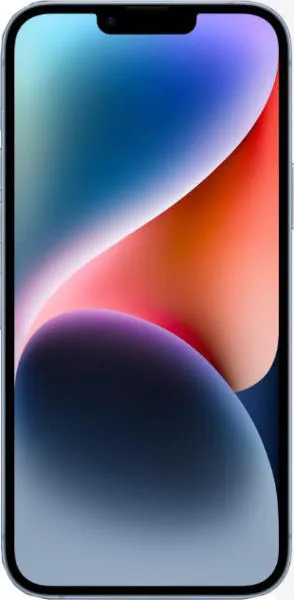
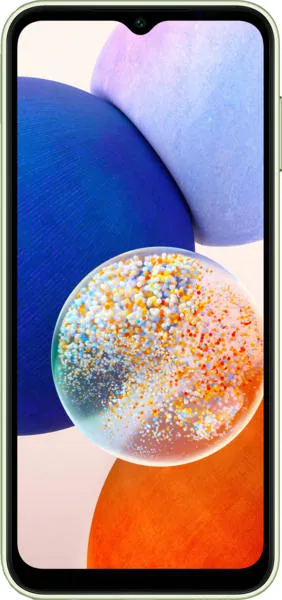
iPhone 14 Plus vs. Samsung Galaxy A14: A Deep Dive
Let's dissect the Apple iPhone 14 Plus and the Samsung Galaxy A14, two phones occupying the "medium price" range but offering vastly different experiences. My goal is to equip you with the knowledge to decide which phone best fits your needs.
1. Specifications Breakdown
| Feature | Apple iPhone 14 Plus | Samsung Galaxy A14 | Real-World Implications |
|---|---|---|---|
| Design | |||
| Dimensions (mm) | 160.8 x 78.1 x 7.8 | 167.7 x 78 x 9.1 | iPhone 14 Plus is slightly smaller and significantly thinner, contributing to a more premium feel and pocketability. |
| Weight (g) | 203 | 201 | Negligible difference in weight. |
| Build Materials | Aluminum & Glass | Plastic | iPhone's premium materials offer better durability and a more luxurious feel. |
| Display | |||
| Display Type | Super Retina XDR OLED | PLS LCD | iPhone's OLED offers richer colors, deeper blacks, and higher brightness, resulting in a superior visual experience. |
| Size (inches) | 6.7 | 6.6 | Virtually identical screen real estate. |
| Resolution (px) | 1284 x 2778 | 1080 x 2408 | iPhone boasts a sharper display with higher pixel density (458 ppi vs. 400 ppi), leading to crisper text and images. |
| Performance | |||
| Chipset | Apple A15 Bionic | Mediatek Helio G80 | iPhone's A15 is significantly more powerful, delivering smoother multitasking, faster app launches, and better gaming performance. |
| CPU | Hexa-core | Octa-core | Core count isn't everything; the A15's architecture and individual core performance are superior. |
| RAM (GB) | 6 | 4/6 | While both offer ample RAM, the iPhone's 6GB provides a performance edge in demanding tasks. |
| OS | iOS 16 | Android 13 | Preference-dependent, but iOS is known for its simplicity and tight integration with Apple's hardware. |
| Camera | |||
| Main Camera (MP) | 12 | 50 | Megapixel count isn't everything. iPhone's larger sensor and advanced image processing likely result in better overall image quality. |
| Video Recording | Up to 4K@60fps | Up to 1080p@30fps | iPhone offers significantly higher resolution and frame rate video recording capabilities. |
| Battery Life | |||
| Capacity (mAh) | 4323 | 5000 | While the Galaxy A14 has a larger battery, the iPhone 14 Plus's more efficient processor likely leads to comparable or even better real-world battery life. |
2. Key Insights
The iPhone 14 Plus, despite being a generation older, outperforms the Galaxy A14 in almost every aspect. Its A15 Bionic chip delivers a substantial performance advantage, ensuring a smooth and responsive user experience. The Super Retina XDR display is simply stunning, providing vibrant colors and exceptional clarity. While the Galaxy A14 boasts a larger battery and a higher resolution main camera on paper, the iPhone's superior processing power and optimized software likely result in better real-world battery life and image quality. The A14's plastic build also feels less premium compared to the iPhone's aluminum and glass construction.
3. User Profiles and Recommendations
iPhone 14 Plus: Ideal for users who prioritize performance, a premium user experience, a vibrant display, and a robust app ecosystem. Photographers and videographers will also appreciate the iPhone's superior camera capabilities.
Samsung Galaxy A14: Suitable for budget-conscious users who prioritize battery life and a large screen. It's a decent option for basic tasks like web browsing, social media, and casual photography.
4. Buying Decision Framework
- What is your budget? The iPhone 14 Plus is significantly more expensive.
- What are your performance expectations? For demanding tasks and gaming, the iPhone 14 Plus is the clear winner.
- Which operating system do you prefer? iOS and Android offer distinct experiences.
My Choice: iPhone 14 Plus
While the Galaxy A14 offers a tempting price, the iPhone 14 Plus is the superior device. The A15 Bionic chip's performance, coupled with the stunning Super Retina XDR display and polished iOS experience, creates a significant gap in overall quality. The price premium is justified by the longevity and superior user experience the iPhone provides. In the long run, the iPhone 14 Plus will likely hold its value better and offer a more enjoyable and frustration-free experience. The superior camera system and video recording capabilities are also major selling points for me. While battery capacity is slightly smaller on paper, Apple's optimization usually translates to comparable real-world performance. For a phone in this price bracket, I value the premium build quality and long-term software support offered by Apple.
