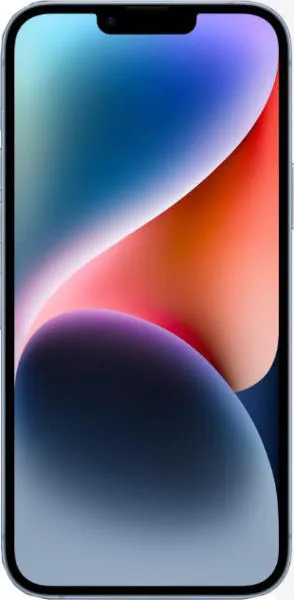

iPhone 14 Plus vs. Realme 10: A Comparative Analysis
The smartphone market offers a plethora of choices, and deciding between two seemingly similar devices can be challenging. Today, we'll dissect the Apple iPhone 14 Plus and the Realme 10, two "medium-priced" contenders with distinct strengths. This analysis goes beyond mere spec sheets, focusing on how these technical differences translate into real-world experiences.
1. Specifications Breakdown
| Feature | Apple iPhone 14 Plus | Realme 10 | Real-World Implications | |
|---|---|---|---|---|
| Design | ||||
| Dimensions (mm) | 160.8 x 78.1 x 7.8 | 159.9 x 73.3 x 8 | iPhone 14 Plus is slightly larger and thinner. Realme 10 might feel slightly more compact in hand. | |
| Weight (g) | 203 | 178 | iPhone 14 Plus is noticeably heavier. Realme 10 offers a lighter, more portable feel. | |
| Build Materials | Aluminum & Glass | Plastic Frame, Glass Front | iPhone boasts premium materials, potentially impacting durability and perceived quality. Realme 10 prioritizes affordability with a plastic frame. | |
| Display | ||||
| Size (inches) | 6.7 | 6.4 | iPhone 14 Plus offers a larger screen for more immersive content consumption. | |
| Resolution (px) | 1284 x 2778 | 1080 x 2400 | iPhone has a sharper display with higher pixel density (458 ppi vs 411 ppi), resulting in crisper text and images. | |
| Panel Type | Super Retina XDR OLED | Super AMOLED | Both offer vibrant colors and deep blacks, but iPhone's OLED generally delivers superior contrast and HDR performance. | |
| Refresh Rate (Hz) | 60 | 90 | Realme 10's 90Hz display provides smoother scrolling and animations, though may impact battery life. | |
| Performance | ||||
| Chipset | Apple A15 Bionic | MediaTek Helio G99 | A15 Bionic significantly outperforms Helio G99 in processing power and graphics rendering, leading to faster app loading, smoother multitasking, and superior gaming capabilities. | |
| RAM (GB) | 6 | 4/6/8 | More RAM on certain Realme 10 variants aids multitasking, but A15's efficiency might offset this advantage in real-world usage. | |
| OS | iOS 16 | Android 12 | iOS offers a tightly controlled, optimized ecosystem. Android provides greater customization and flexibility. | |
| Camera | ||||
| Main Camera (MP) | 12 | 50 | Realme 10 boasts higher megapixel count, but image quality depends heavily on sensor size, processing, and software. iPhone consistently delivers excellent image quality despite lower megapixel counts. | |
| Video Recording | Up to 4K@60fps | 1080p@30fps | iPhone offers superior video recording capabilities with higher resolution and frame rates, along with advanced features like Cinematic Mode. | |
| Battery Life | ||||
| Capacity (mAh) | 4323 | 5000 | Realme 10 has a larger battery capacity, potentially translating to longer usage time. However, iOS optimizations could make iPhone competitive in actual usage. |
2. Key Insights
iPhone 14 Plus: The standout features are its powerful A15 Bionic chip, ensuring a smooth user experience for years to come, and its exceptional camera system known for producing stunning photos and videos. The larger display is a boon for content consumption. However, the 60Hz refresh rate feels dated compared to competitors.
Realme 10: This phone prioritizes affordability and long battery life. The 90Hz AMOLED display delivers a visually pleasing experience for everyday tasks. However, the Helio G99 processor, while capable, is no match for the A15 Bionic in demanding tasks. The 50MP camera might attract some users, but real-world image quality needs further scrutiny.
3. User Profiles and Recommendations
iPhone 14 Plus: Ideal for users prioritizing performance, a refined user experience, longevity, and a top-tier camera. Content creators, mobile gamers, and those heavily invested in the Apple ecosystem will appreciate this device.
Realme 10: Best suited for budget-conscious users who prioritize battery life and a smooth display for everyday tasks like social media browsing, web surfing, and casual gaming. It's a solid option for those seeking value without compromising essential features.
4. Buying Decision Framework
- What is your budget? The iPhone 14 Plus commands a significantly higher price. If budget is a primary concern, the Realme 10 offers compelling value.
- What are your performance expectations? For demanding tasks like gaming, video editing, or heavy multitasking, the iPhone 14 Plus is the clear winner. For everyday use, the Realme 10 is sufficient.
- Which ecosystem do you prefer? Your familiarity and investment in either iOS or Android should heavily influence your decision.
My Choice: iPhone 14 Plus
While the Realme 10 offers excellent value, I would choose the iPhone 14 Plus. The deciding factors for me are the A15 Bionic chip's superior performance and longevity, the consistently excellent camera system, and the polished iOS experience. I prioritize a smooth, lag-free experience that lasts for several years, and I'm willing to invest more for that assurance. The larger, sharper display, although only 60Hz, is also a significant advantage for my media consumption habits. While battery life is a consideration, I find that iOS optimization often bridges the gap in real-world usage compared to Android devices with larger batteries. Finally, the build quality and materials of the iPhone typically ensure a more durable and premium-feeling device over the long term.
