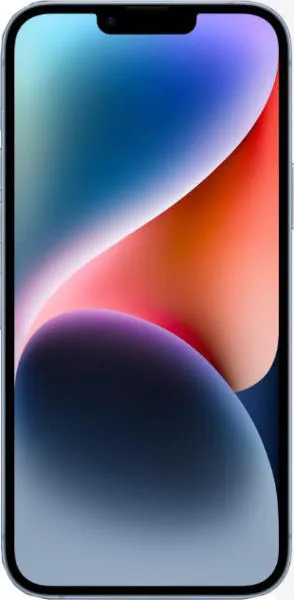
iPhone 14 Plus vs. realme 8: A Deep Dive Comparison
Let's dissect the Apple iPhone 14 Plus and the realme 8, moving beyond the spec sheet to uncover what these phones offer in the real world.
1. Specifications Breakdown
| Feature | Apple iPhone 14 Plus | realme 8 | Real-World Implications |
|---|---|---|---|
| Design | |||
| Dimensions (mm) | 160.8 x 78.1 x 7.8 | 162 x 75.1 x 8.7 | realme 8 slightly larger, thicker |
| Weight (g) | 203 | 191 | iPhone 14 Plus slightly heavier |
| Build Materials | Glass front/back, aluminum frame | Plastic Frame | iPhone 14 Plus feels more premium, potentially more durable |
| Display | |||
| Display Type | Super Retina XDR OLED | LTPO AMOLED | Both offer vibrant colors and deep blacks. LTPO allows for dynamic refresh rate, potentially saving battery on realme 8 |
| Display Size (inches) | 6.7 | 6.78 | Virtually identical screen real estate |
| Resolution (px) | 1284 x 2778 | 1264 x 2780 | Negligible difference in sharpness |
| Refresh Rate (Hz) | 60 | 120 | realme 8 offers smoother scrolling and animations |
| Peak Brightness (nits) | 1200 | 6000 | realme 8 significantly brighter in direct sunlight |
| Performance | |||
| Chipset | Apple A15 Bionic | Snapdragon 7+ Gen 3 | A15 generally outperforms in benchmarks, but real-world difference may be less noticeable for average users |
| CPU | Hexa-core | Octa-core | Both offer ample processing power for most tasks |
| RAM (GB) | 6 | 12 | realme 8 has more RAM for multitasking, but iOS manages memory efficiently |
| Camera | |||
| Rear Camera (MP) | 12 MP Dual | Data Missing | Cannot compare without realme 8 camera specs |
| Front Camera (MP) | 12 MP | Data Missing | Cannot compare without realme 8 camera specs |
| Video Recording | Up to 4K@60fps | Up to 4K@60fps | Both capable of high-quality video recording |
| Battery Life | |||
| Battery Capacity (mAh) | 4323 | 5500 | realme 8 boasts a significantly larger battery |
| Software | |||
| Operating System | iOS 16 | Android 14 | Preference-based: iOS known for simplicity and security, Android for customization |
2. Key Insights
- Performance: The iPhone 14 Plus, with its A15 Bionic chip, likely holds a performance edge, especially in graphics-intensive tasks. However, the Snapdragon 7+ Gen 3 in the realme 8 is no slouch and should handle everyday tasks with ease. The realme 8’s higher RAM might provide a slight advantage in multitasking.
- Display: While both phones offer excellent displays, the realme 8's 120Hz refresh rate delivers a noticeable difference in fluidity, making scrolling and animations feel smoother. Its higher peak brightness also ensures better visibility outdoors.
- Battery: The realme 8's significantly larger battery capacity suggests longer usage time between charges. The iPhone 14 Plus, however, is known for its excellent power optimization. Real-world battery life would depend on individual usage patterns.
- Operating System: This comes down to personal preference. iOS is renowned for its simplicity, seamless integration, and focus on privacy. Android offers greater customization, flexibility, and a wider range of app choices.
3. User Profiles and Recommendations
- iPhone 14 Plus: Ideal for users prioritizing a premium build quality, a polished user experience, and a robust app ecosystem. Excellent for those invested in the Apple ecosystem.
- realme 8: Suitable for users seeking a feature-rich phone with a smooth display, long battery life, and the flexibility of Android. A strong contender for gamers and power users due to the higher refresh rate and larger battery.
4. Buying Decision Framework
- What operating system do you prefer? This is often the biggest deciding factor.
- How important is battery life? If all-day battery is crucial, the realme 8's larger battery might be more appealing.
- What's your budget? Consider the overall price-to-performance ratio and available storage options.
My Choice: While I appreciate the smoothness of the realme 8's display and its larger battery, I would choose the iPhone 14 Plus. The A15 Bionic chip's performance, coupled with iOS's optimized ecosystem and the phone's premium build, aligns better with my personal preferences. I value a consistently smooth and reliable experience, along with the long-term software support that Apple provides. The tighter integration between hardware and software in the Apple ecosystem is a key factor for me. While benchmarks don't tell the whole story, the A15's consistent performance in real-world usage, especially over extended periods, is a compelling advantage.
