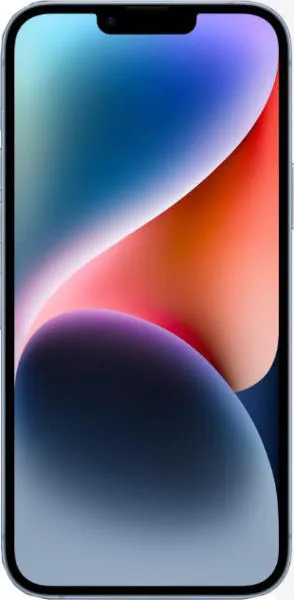
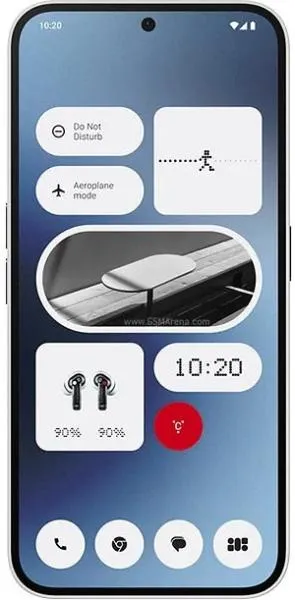
iPhone 14 Plus vs. Nothing Phone (2a): A Deep Dive
Let's dissect the Apple iPhone 14 Plus and the Nothing Phone (2a), two compelling devices vying for your attention in the mid-range smartphone arena. I'll break down their specs, analyze their real-world performance, and help you decide which phone fits your lifestyle.
1. Specifications Breakdown
| Feature | Apple iPhone 14 Plus | Nothing Phone (2a) | Real-World Implications |
|---|---|---|---|
| Design | |||
| Dimensions (mm) | 160.8 x 78.1 x 7.8 | 161.7 x 76.3 x 8.6 | Nothing Phone (2a) is slightly larger and thicker. |
| Weight (g) | 203 | 190 | iPhone 14 Plus feels more substantial in hand. |
| Build Material | Aluminum, Glass | Aluminum, Glass | Both offer premium build quality. |
| Display | |||
| Display Type | Super Retina XDR OLED | AMOLED | Both offer vibrant colors and deep blacks. |
| Size (inches) | 6.7 | 6.7 | Identical screen real estate. |
| Resolution (pixels) | 1284 x 2778 | 1080 x 2412 | iPhone boasts sharper visuals due to higher pixel density (458 vs 394 ppi). |
| Refresh Rate (Hz) | N/A (Implied 60Hz) | 120 | Nothing Phone (2a) offers smoother scrolling and animations. |
| Peak Brightness (nits) | 1200 | 1300 | Nothing Phone (2a) is slightly brighter outdoors. |
| Performance | |||
| Chipset | Apple A15 Bionic (5 nm) | Dimensity 7200 Pro (4 nm) | A15 offers superior processing power, especially in graphics-intensive tasks. |
| CPU | Hexa-core | Octa-core | Both handle daily tasks with ease. |
| GPU | Apple GPU (5-core) | Mali-G610 MC4 | iPhone excels in gaming and demanding applications. |
| RAM (GB) | 6 | 8 or 12 | Nothing Phone offers more RAM, potentially benefiting multitasking. |
| Camera | |||
| Main Camera (MP) | 12 | 50 | Nothing Phone boasts higher megapixel count on the main sensor. |
| Ultrawide (MP) | 12 | 50 | Both offer ultrawide capabilities. |
| Selfie Camera (MP) | 12 | 32 | Nothing Phone has a higher resolution selfie camera. |
| Battery Life | |||
| Capacity (mAh) | 4323 | 5000 | Nothing Phone has a larger battery capacity, suggesting longer endurance. |
| Software | |||
| Operating System | iOS 16 | Android 14 | Distinct user experiences; personal preference plays a significant role. |
| Other | |||
| Price | Medium | Medium | Competitive pricing in the same segment. |
2. Key Insights
Performance: The iPhone 14 Plus, powered by the A15 Bionic chip, significantly outperforms the Nothing Phone (2a) in raw processing power and graphical capabilities. This translates to smoother performance in demanding games, faster app loading, and more efficient multitasking.
Display: While both phones offer large, vibrant displays, the iPhone 14 Plus boasts a slightly sharper screen due to its higher pixel density. However, the Nothing Phone (2a)'s 120Hz refresh rate delivers a noticeably smoother user experience for scrolling and animations.
Camera: The Nothing Phone (2a) features a higher megapixel count on its main and ultrawide cameras, potentially capturing more detail. However, Apple's computational photography prowess often results in superior image quality, especially in challenging lighting conditions. Real-world camera comparisons are needed for a definitive verdict.
Battery: The Nothing Phone (2a)'s larger 5000mAh battery likely provides longer usage time compared to the iPhone 14 Plus's 4323mAh battery.
Software: iOS and Android offer fundamentally different user experiences. iOS is known for its simplicity and tight integration within the Apple ecosystem, while Android offers greater customization and flexibility.
3. User Profiles and Recommendations
iPhone 14 Plus: Ideal for users prioritizing performance, a refined user experience, and seamless integration with the Apple ecosystem. Power users, gamers, and content creators will appreciate the A15 Bionic's capabilities.
Nothing Phone (2a): Suited for users who value a smooth display, longer battery life, and a unique design aesthetic. Those who prefer Android's customization options and a potentially more affordable price point will find this phone appealing.
4. Buying Decision Framework
What is your priority: Performance or Battery Life? If raw power and a smooth, responsive experience are paramount, the iPhone 14 Plus is the clear winner. If all-day battery life is crucial, the Nothing Phone (2a) takes the lead.
Which operating system do you prefer? Your familiarity and preference for iOS or Android will significantly influence your decision.
What is your budget? While both phones fall within the mid-range segment, compare specific configurations and regional pricing to determine the best value for your money.
My Choice: The iPhone 14 Plus
While the Nothing Phone (2a) offers enticing features like a 120Hz display and a larger battery, I prioritize performance and a polished user experience. The A15 Bionic's significant power advantage, coupled with the seamless integration within the Apple ecosystem (which I'm already invested in), makes the iPhone 14 Plus the more compelling choice for me. The sharper display, while only 60Hz, is still excellent, and I'm willing to compromise slightly on battery life for the overall superior performance and user experience that the iPhone offers.
