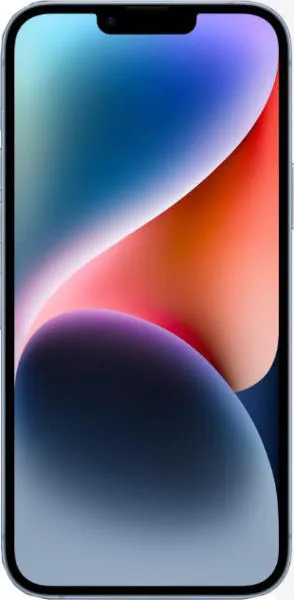
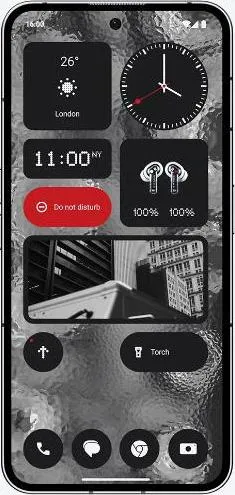
iPhone 14 Plus vs. Nothing Phone (2): A Deep Dive
Let's dissect the Apple iPhone 14 Plus and the Nothing Phone (2), cutting through the marketing jargon to see how these devices stack up in the real world.
1. Specifications Breakdown
| Feature | Apple iPhone 14 Plus | Nothing Phone (2) | Real-World Implications |
|---|---|---|---|
| Design | |||
| Dimensions (mm) | 160.8 x 78.1 x 7.8 | 162.1 x 76.4 x 8.6 | Nothing Phone (2) is slightly larger and thicker. |
| Weight (g) | 203 | 201.2 | Negligible weight difference. |
| Build Materials | Aluminum, Glass | Aluminum, Glass | Both offer premium build quality. |
| Display | |||
| Size | 6.7" | 6.7" | Identical screen sizes offer ample viewing space. |
| Type | Super Retina XDR OLED | LTPO OLED | Both are high-quality OLED displays with excellent color and contrast. LTPO allows for dynamic refresh rates, potentially saving battery. |
| Resolution | 1284 x 2778 | 1080 x 2412 | iPhone boasts sharper visuals due to higher pixel density (458 ppi vs. 394 ppi). |
| Refresh Rate | 60Hz | 120Hz | Nothing Phone (2)'s 120Hz offers smoother scrolling and animations. |
| Peak Brightness | 1200 nits | 1600 nits | Nothing Phone (2) should be more visible in direct sunlight. |
| Performance | |||
| Chipset | A15 Bionic | Snapdragon 8+ Gen 1 | Snapdragon 8+ Gen 1 generally benchmarks higher in raw performance. |
| RAM | 6GB | 8/12GB | Nothing Phone (2) offers more RAM, potentially improving multitasking. |
| OS | iOS 16 | Android 13 | iOS is known for its simplicity and optimization, while Android offers more customization options. |
| Camera | |||
| Main Camera | 12MP | 50MP | Nothing Phone (2) has a higher resolution sensor. Image quality depends on factors beyond resolution. |
| Ultrawide | 12MP | 50MP | Similar to the main camera, higher resolution on the Nothing Phone (2). |
| Battery Life | |||
| Capacity | 4323 mAh | 4700 mAh | Nothing Phone (2) has a larger battery capacity, suggesting longer potential usage time. |
2. Key Insights
- Performance: While benchmarks favor the Snapdragon 8+ Gen 1, Apple's A15 Bionic remains a powerhouse, especially with iOS optimization. Expect smooth performance from both.
- Display: Both offer vibrant OLED screens. The iPhone 14 Plus prioritizes sharpness, while the Nothing Phone (2) boasts a smoother 120Hz refresh rate and higher peak brightness.
- Camera: Megapixels aren't everything. Apple's computational photography prowess often outperforms higher resolution sensors on paper. Real-world image comparisons are crucial.
- Battery: The Nothing Phone (2)'s larger battery and LTPO display suggest better battery life, but real-world usage patterns will dictate actual performance.
- Software: This is a matter of personal preference. iOS offers a streamlined, user-friendly experience, while Android allows for greater customization and flexibility.
3. User Profiles and Recommendations
- iPhone 14 Plus: Ideal for users prioritizing ease of use, a seamless ecosystem (with other Apple devices), and a consistently smooth experience. Excellent for content consumption thanks to the large, sharp display.
- Nothing Phone (2): Best suited for users who value cutting-edge hardware, Android's flexibility, a unique design with the Glyph Interface, and potentially longer battery life. Great for power users and those who enjoy tinkering with their devices.
4. Buying Decision Framework
- Which operating system do you prefer? iOS or Android?
- Is absolute peak performance or a consistently smooth experience more important?
- What's your budget and how important is battery life?
Scenario-based Recommendations:
- Photographer: Pending real-world camera comparisons, the iPhone historically excels in computational photography.
- Gamer: The Nothing Phone (2)'s more powerful processor and higher refresh rate might offer a slight edge.
- Casual User: The iPhone 14 Plus provides a simpler, more streamlined experience.
My Choice: The Nothing Phone (2)
While I appreciate the polished experience of iOS, the Nothing Phone (2) intrigues me more. The Snapdragon 8+ Gen 1, coupled with the 120Hz LTPO display, promises a fluid and responsive experience. I value the extra customization options Android offers, and the unique Glyph Interface adds a fun, distinctive touch. The larger battery is also appealing for my heavy usage patterns. While the iPhone 14 Plus is an excellent phone, the Nothing Phone (2)'s blend of performance, unique features, and potentially superior battery life edges it out for me. I'm also eager to see how Nothing continues to develop its software and ecosystem.
