iPhone 14 Plus vs. Motorola Razr 50 Ultra: A Detailed Comparison
The smartphone landscape is vast and varied, offering devices for every need and preference. Today, we'll dissect two compelling options: the Apple iPhone 14 Plus and the Motorola Razr 50 Ultra. While both reside in the "medium price" range, they cater to distinct user profiles. Let's delve into the specifics.
1. Specifications Breakdown
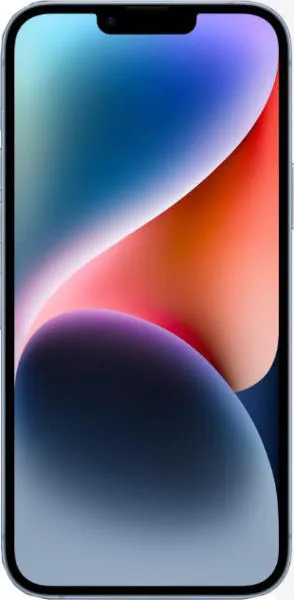
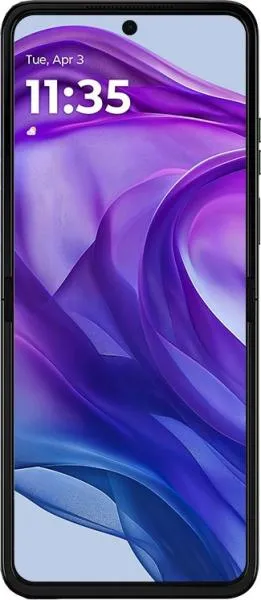
| Feature | Apple iPhone 14 Plus | Motorola Razr 50 Ultra | Real-World Implications |
|---|---|---|---|
| Design | |||
| Dimensions (mm) | 160.8 x 78.1 x 7.8 | 171.4 x 74 x 7.1 | Razr 50 Ultra is more compact when folded, pocketable; iPhone 14 Plus is larger, traditional slab design. |
| Weight (g) | 203 | 189 | Razr 50 Ultra is lighter despite its complex folding mechanism. |
| Foldable | No | Yes | Razr's foldable design offers unique portability and a smaller footprint when closed. |
| Display | |||
| Size (inches) | 6.7 | 6.9 | Both offer large screens for immersive content consumption. |
| Resolution (px) | 1284 x 2778 | 1080 x 2640 | iPhone boasts a sharper display with higher pixel density (458 ppi vs 413 ppi), resulting in crisper text and images. |
| Display Type | Super Retina XDR OLED | Foldable LTPO AMOLED | Both are high-quality displays; LTPO on Razr allows for variable refresh rates, potentially saving battery. |
| Refresh Rate (Hz) | 60 | 165 | Razr's 165Hz offers smoother scrolling and animations, beneficial for gaming and fast-paced content. iPhone is fixed at 60Hz. |
| Performance | |||
| Chipset | Apple A15 Bionic | Snapdragon 8s Gen 3 | While both are powerful, the newer Snapdragon chip in the Razr likely edges out the A15 in benchmarks, especially graphics intensive tasks. |
| RAM (GB) | 6 | 12 | Razr's 12GB RAM allows for more aggressive multitasking and smoother performance with demanding applications. |
| Camera | |||
| Main Camera (MP) | 12 | 50 | Razr has a significantly higher resolution main sensor, potentially capturing more detail. |
| Battery Life | |||
| Capacity (mAh) | 4323 | 4000 | iPhone 14 Plus likely offers longer battery life due to its larger battery and optimized iOS. |
2. Key Insights
- Performance: While the A15 Bionic in the iPhone remains a strong performer, the Razr 50 Ultra's Snapdragon 8s Gen 3 and 12GB RAM combination likely delivers a performance advantage, particularly in multitasking and demanding applications. Apple's tight integration of hardware and software often results in real-world performance that surpasses benchmark numbers.
- Display: The iPhone 14 Plus prioritizes resolution and sharpness, while the Razr 50 Ultra emphasizes a smoother, more responsive experience with its higher refresh rate. The Razr's foldable screen technology is inherently more susceptible to creasing and durability concerns over time.
- Form Factor: The Razr's foldable design is its defining feature. This compact form when folded is a significant advantage for pocketability. However, it introduces complexity and potential durability trade-offs. The iPhone's classic slab design is proven and reliable.
3. User Profiles and Recommendations
- iPhone 14 Plus: Ideal for users who prioritize a large, sharp display, long battery life, a robust app ecosystem, and a familiar user experience. Excellent for content consumption, photography, and everyday tasks.
- Motorola Razr 50 Ultra: Best suited for users who value cutting-edge design, portability above all else, and a high-performance Android experience. A great choice for those who want a unique, compact device that doesn't sacrifice performance.
4. Buying Decision Framework
- Do you prioritize portability above all else? If so, the Razr's foldable design is a compelling option.
- Is a robust app ecosystem and long-term software support crucial? The iPhone excels in these areas.
- Are you a power user who demands the latest and greatest performance? The Razr's newer processor and ample RAM might be more appealing.
My Choice: iPhone 14 Plus
While the Razr 50 Ultra is undoubtedly innovative and exciting, I would choose the iPhone 14 Plus. My decision hinges on several factors:
- Reliability and Longevity: Apple's track record with software updates and hardware durability gives me confidence in the iPhone's long-term value. Foldable phones are still relatively new, and long-term durability remains a question mark.
- Ecosystem: I'm heavily invested in the Apple ecosystem, and the seamless integration between devices is a significant factor for me.
- Battery Life: As someone who heavily uses their phone throughout the day, battery life is paramount. The iPhone 14 Plus's larger battery capacity is a significant advantage.
While I admire the Razr's ambition, the iPhone 14 Plus better aligns with my priorities of reliability, long-term value, and a seamless user experience. The foldable form factor is tempting, but I'm not yet convinced it outweighs the benefits of a more traditional, refined design.
