iPhone 14 Plus vs. Motorola Razr 50: A Detailed Comparison
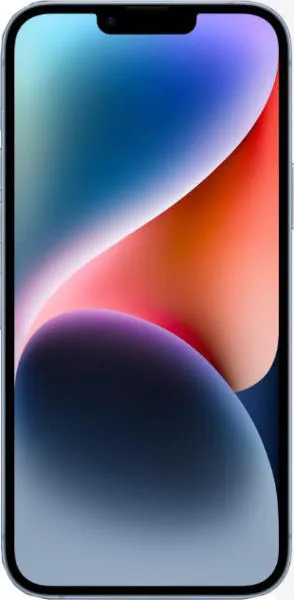
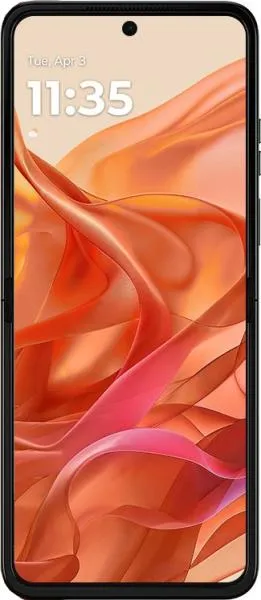
The smartphone landscape is vast and varied. Today, we're diving deep into two intriguing devices: the Apple iPhone 14 Plus and the Motorola Razr 50. While both occupy the "medium price" range, they cater to distinct user needs and preferences. Let's dissect their specifications and uncover what truly sets them apart.
1. Specifications Breakdown
| Feature | Apple iPhone 14 Plus | Motorola Razr 50 | Real-World Implications |
|---|---|---|---|
| Design | |||
| Dimensions (mm) | 160.8 x 78.1 x 7.8 | 171.3 x 74 x 7.3 | Razr 50 is taller and narrower when unfolded, significantly more compact when folded. iPhone offers a more traditional, larger footprint. |
| Weight (g) | 203 | 188.4 | Razr 50 is noticeably lighter. |
| Foldable | No | Yes | Razr 50's foldable design offers unique portability and a smaller form factor when closed. |
| Display | |||
| Size (inches) | 6.7 | 6.9 | Razr 50 boasts a slightly larger screen. |
| Type | Super Retina XDR OLED | Foldable LTPO AMOLED | Both offer vibrant colors and deep blacks. Razr 50's foldable screen introduces a crease but allows for a compact closed size. |
| Resolution (px) | 1284 x 2778 | 1080 x 2640 | iPhone 14 Plus has a sharper display with higher pixel density (458 ppi vs. 413 ppi), resulting in crisper text and images. |
| Refresh Rate (Hz) | 60 | 120 | Razr 50's 120Hz display provides smoother animations and scrolling. |
| Performance | |||
| Chipset | Apple A15 Bionic | Dimensity 7300X | A15 Bionic generally offers superior performance in benchmarks, particularly in graphics-intensive tasks. |
| CPU | Hexa-core | Octa-core | While both offer strong performance, the A15's architecture and optimization often lead to better real-world speed and efficiency. |
| RAM (GB) | 6 | 8/12 | Razr 50 offers more RAM, potentially benefiting multitasking. |
| OS | iOS 16 | Android 14 | Different operating systems cater to different preferences and ecosystems. |
| Camera | |||
| Main Camera (MP) | 12 | 50 | Razr 50 boasts a higher megapixel count on its main camera, potentially capturing more detail. Real-world performance depends on various factors. |
| Selfie Camera (MP) | 12 | 32 | Razr 50 has a significantly higher resolution selfie camera. |
| Battery Life | |||
| Capacity (mAh) | 4323 | 4200 | iPhone 14 Plus has a slightly larger battery. Real-world battery life depends heavily on usage patterns. |
2. Key Insights
- Performance: The iPhone 14 Plus, powered by the A15 Bionic, generally delivers superior processing power, particularly in demanding tasks and gaming. The Razr 50's Dimensity 7300X is no slouch but may not match the A15's raw performance.
- Display: While the Razr 50 has a slightly larger and faster refreshing display, the iPhone 14 Plus counters with superior sharpness and pixel density. The Razr 50's foldable nature introduces a crease, a trade-off for its compact folded size.
- Form Factor: The Razr 50's unique selling proposition is its foldable design, making it incredibly pocketable. The iPhone 14 Plus offers a more traditional, larger canvas for content consumption.
3. User Profiles and Recommendations
- iPhone 14 Plus: Ideal for users prioritizing performance, a large, sharp display, and a seamless iOS experience. Power users, gamers, and content creators would appreciate its capabilities.
- Motorola Razr 50: Best suited for users who value portability and a unique form factor above all else. The foldable design and compact size make it perfect for those constantly on the move.
4. Buying Decision Framework
- Is portability your top priority? If so, the Razr 50's foldable design is a clear winner.
- Do you prioritize raw performance and a large, sharp display? The iPhone 14 Plus excels in these areas.
- Which operating system ecosystem do you prefer? This often comes down to personal preference and existing device integration.
My Choice: As a tech journalist who values performance and a seamless user experience, I would choose the iPhone 14 Plus. While the Razr 50's foldable design is intriguing, the A15 Bionic's superior performance, coupled with the iPhone's sharp display and mature iOS ecosystem, better suits my needs. The larger battery capacity is also a significant advantage for my heavy usage patterns. While I appreciate the Razr's portability, performance and overall user experience are paramount for me. The slight difference in price for significantly better performance makes the iPhone 14 Plus the winner for me.
