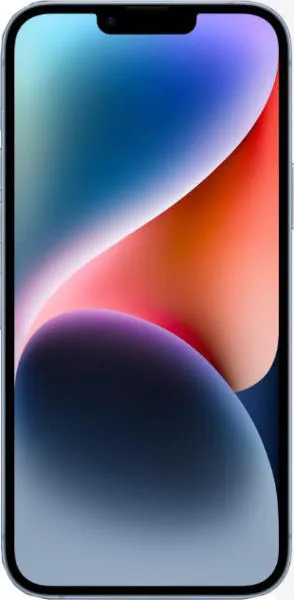
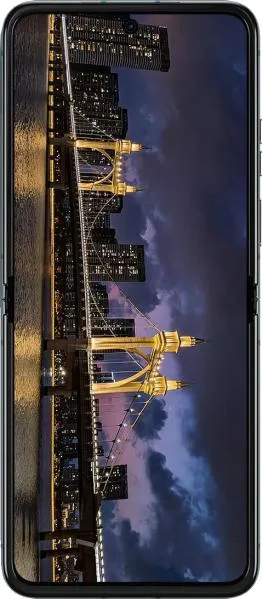
iPhone 14 Plus vs. Motorola Razr 40 Ultra: A Detailed Comparison
The smartphone landscape is filled with compelling choices, and today we're diving deep into two distinct offerings: the Apple iPhone 14 Plus and the Motorola Razr 40 Ultra. While both reside in the "medium price" range, they cater to vastly different needs and preferences. Let's dissect their specifications and uncover what each brings to the table.
1. Specifications Breakdown
| Feature | Apple iPhone 14 Plus | Motorola Razr 40 Ultra | Real-World Implications |
|---|---|---|---|
| Design | |||
| Dimensions (mm) | 160.8 x 78.1 x 7.8 | 170.8 x 74 x 7 (Unfolded) | iPhone 14 Plus is larger but thinner. Razr 40 Ultra offers compact portability when folded. |
| Weight (g) | 203 | 184.5 | iPhone 14 Plus feels more substantial, Razr 40 Ultra prioritizes lightness. |
| Foldable | No | Yes | Razr's foldable design offers unique portability and a smaller footprint when closed. |
| Display | |||
| Size (inches) | 6.7 | 6.9 (Main), 3.6 (Cover) | Razr offers a larger main display and a functional cover display for quick interactions. |
| Type | Super Retina XDR OLED | Foldable LTPO AMOLED | Both offer vibrant colors and deep blacks. LTPO on Razr allows for dynamic refresh rate, saving battery. |
| Resolution (px) | 1284 x 2778 | 1080 x 2640 | iPhone boasts sharper visuals due to higher pixel density. |
| Refresh Rate (Hz) | 60 | 165 | Razr provides smoother scrolling and animations. |
| Performance | |||
| Chipset | Apple A15 Bionic (5 nm) | Snapdragon 8+ Gen 1 (4 nm) | Both are powerful chips, but Snapdragon 8+ Gen 1 generally benchmarks higher in Android devices. |
| CPU | Hexa-core | Octa-core | Both handle demanding tasks with ease. |
| RAM (GB) | 6 | 8/12 | Razr offers more RAM, potentially benefiting multitasking. |
| Camera | |||
| Main Camera (MP) | 12 | 12 | Similar megapixel count, but image quality depends on sensor and processing. |
| Selfie Camera (MP) | 12 | 32 | Razr boasts a significantly higher resolution selfie camera. |
| Battery Life | |||
| Capacity (mAh) | 4323 | 3800 | iPhone 14 Plus has a larger battery, potentially leading to longer usage time. |
2. Key Insights
- Performance: While benchmarks favor the Razr 40 Ultra's Snapdragon chip, Apple's A15 Bionic, combined with iOS optimization, delivers incredibly smooth and efficient real-world performance.
- Display: The Razr's foldable display and high refresh rate are attention-grabbing, offering a modern, dynamic feel. However, the iPhone's higher resolution results in noticeably sharper text and images. The Razr's external display is a significant advantage for quick notifications and interactions without unfolding.
- Cameras: Megapixels aren't everything. Apple's computational photography prowess traditionally results in excellent image quality, while Motorola has been improving its camera performance. The Razr's higher-resolution selfie camera is appealing for video calls and self-portraits.
- Battery: The iPhone 14 Plus is likely to offer longer battery life due to its larger capacity and Apple's tight hardware-software integration. The Razr's smaller battery and power-hungry display might require more frequent charging. The Razr's folding capability might extend battery life in use cases where only the exterior screen is needed.
3. User Profiles and Recommendations
- iPhone 14 Plus: Ideal for users who prioritize a large, sharp display, long battery life, a seamless user experience, and a robust app ecosystem. Great for media consumption, productivity, and casual gaming.
- Motorola Razr 40 Ultra: Best suited for users who value portability, cutting-edge design, a unique user experience, and the flexibility of a foldable device. Appealing to those who want a compact phone without sacrificing screen real estate when needed.
4. Buying Decision Framework
Questions to consider:
- How important is portability? If pocket-ability is paramount, the Razr's foldable design wins.
- What's your priority: battery life or a high refresh rate display? The iPhone likely wins on battery, Razr on display smoothness.
- Do you value a proven, reliable platform or a device with novel features? iPhone leans towards reliability, Razr towards innovation.
My Choice: As a tech journalist who appreciates both performance and practicality, I would choose the iPhone 14 Plus. While the Razr 40 Ultra's foldable design is undeniably cool, the iPhone's superior battery life, consistently smooth performance, and sharper display are more compelling for my daily workflow. The larger screen of the iPhone 14 plus is better suited for content creation and consumption, which are key aspects of my work. While I admire Motorola's innovation with the Razr, the iPhone 14 Plus better aligns with my needs for reliability and productivity. Furthermore, the mature iOS ecosystem offers a more predictable and stable platform for app development and usage, which is essential for someone deeply engaged in the tech world.
