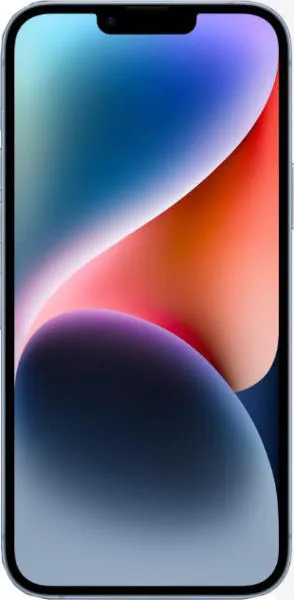
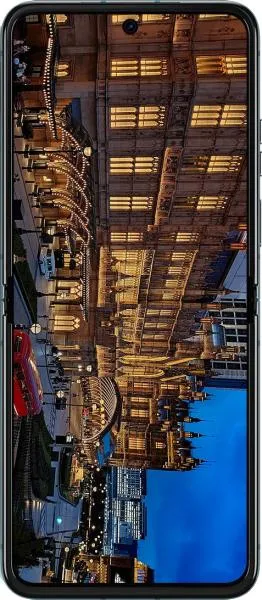
iPhone 14 Plus vs. Motorola Razr 40: A Detailed Comparison
The smartphone landscape is filled with choices, and deciding between two seemingly similar devices can be challenging. Today, we'll dissect the Apple iPhone 14 Plus and the Motorola Razr 40, two "medium-priced" contenders with distinct strengths. Our analysis will go beyond the spec sheet, translating technical jargon into practical implications for everyday use.
1. Specifications Breakdown
| Feature | Apple iPhone 14 Plus | Motorola Razr 40 | Real-World Implications |
|---|---|---|---|
| Design | |||
| Dimensions (mm) | 160.8 x 78.1 x 7.8 | 170.8 x 74 x 7.4 | Razr 40 is taller and narrower, iPhone 14 Plus thinner when unfolded. |
| Weight (g) | 203 | 188.6 | Razr 40 is noticeably lighter. |
| Foldable | No | Yes | Razr 40 offers compact portability when folded. |
| Display | |||
| Size (inches) | 6.7 | 6.9 | Razr 40 has a slightly larger screen. |
| Type | Super Retina XDR OLED | Foldable LTPO AMOLED | Both offer vibrant colors and deep blacks. Razr 40 boasts higher peak brightness. |
| Resolution (px) | 1284 x 2778 | 1080 x 2640 | iPhone 14 Plus has a sharper display (higher pixel density). |
| Refresh Rate (Hz) | 60 | 144 | Razr 40 provides smoother scrolling and animations. |
| Performance | |||
| Chipset | Apple A15 Bionic | Snapdragon 7 Gen 1 | A15 offers significantly superior processing power and graphics. |
| RAM (GB) | 6 | 8 | Razr 40 has more RAM, potentially benefiting multitasking, though the chip itself is less powerful. |
| OS | iOS 16 | Android 13 | Different ecosystems with distinct user interfaces and app availability. |
| Camera | |||
| Main Camera (MP) | 12 | 64 | Razr 40 has a higher megapixel count on the main sensor. |
| Selfie Camera (MP) | 12 | 32 | Razr 40 boasts a higher resolution selfie camera. |
| Battery Life | |||
| Capacity (mAh) | 4323 | 4200 | iPhone 14 Plus has a slightly larger battery. |
2. Key Insights
- Performance: The iPhone 14 Plus's A15 Bionic chip significantly outperforms the Snapdragon 7 Gen 1 in the Razr 40. This translates to faster app loading, smoother gaming, and better overall responsiveness.
- Display: While the Razr 40 boasts a slightly larger display and a faster refresh rate, the iPhone 14 Plus counters with a sharper screen due to its higher pixel density. The Razr 40 also benefits from a much brighter screen. In direct sunlight, the Razr 40 will be much easier to see.
- Form Factor: The Razr 40's foldable design is its defining feature. Its compact size when folded makes it incredibly pocketable. However, this comes with the trade-off of a crease in the display and potential durability concerns over time. The iPhone 14 Plus offers a more traditional, robust slab design.
- Software: iOS and Android offer distinct experiences. iOS is known for its simplicity and tight integration with Apple's hardware, while Android provides greater customization options.
3. User Profiles and Recommendations
- iPhone 14 Plus: Ideal for users prioritizing performance, a robust design, and a seamless user experience within the Apple ecosystem. Power users, gamers, and content creators will appreciate the A15's capabilities.
- Motorola Razr 40: Best suited for users who value portability and a unique form factor above all else. The foldable design is a conversation starter and offers a compact alternative to traditional smartphones.
4. Buying Decision Framework
- Is portability your top priority? If so, the Razr 40's foldable design is hard to beat.
- Do you need the best possible performance? The iPhone 14 Plus significantly outperforms the Razr 40 in processing power and graphics.
- Which operating system do you prefer? Consider your familiarity and preference for iOS or Android.
My Choice: The iPhone 14 Plus
While the Razr 40's foldable design is undeniably cool, as a tech journalist who values performance and a seamless user experience, I'd choose the iPhone 14 Plus. The A15 Bionic chip's significant performance advantage, coupled with the robust build quality and the polished iOS ecosystem, makes it a more compelling overall package for my needs. The superior camera image quality, based on DxOMark scores, further solidifies my decision. I often push my devices to their limits with demanding tasks and multimedia editing, and the iPhone 14 Plus is better equipped to handle that workload. The Razr 40's folding capability, while innovative, doesn't outweigh the performance gap and the inherent compromises that come with a first-generation foldable device at this price point.
