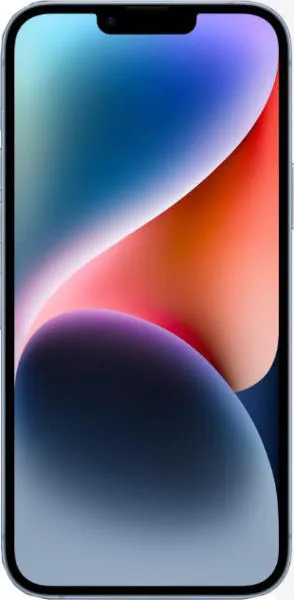
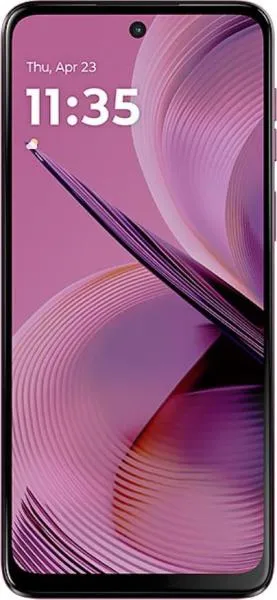
iPhone 14 Plus vs. Motorola Moto G55: A Comparative Analysis
The smartphone market offers a plethora of choices, and navigating this landscape can be daunting. Today, we'll dissect two seemingly disparate yet intriguing contenders: the Apple iPhone 14 Plus and the Motorola Moto G55. By delving into their specifications and translating them into real-world implications, we'll empower you to determine which device best aligns with your needs.
1. Specifications Breakdown
| Feature | Apple iPhone 14 Plus | Motorola Moto G55 | Real-World Implications |
|---|---|---|---|
| Design | |||
| Dimensions (mm) | 160.8 x 78.1 x 7.8 | 161.6 x 73.8 x 8.1 | iPhone 14 Plus is slightly shorter, narrower, and thinner. Moto G55 is lighter. In hand feel may vary significantly despite minor differences |
| Weight (g) | 203 | 179 | Moto G55 noticeably lighter, reducing hand fatigue during extended use. |
| Build Materials | Aluminum & Glass | Plastic Frame | iPhone boasts premium materials for durability and aesthetics; Moto G55 prioritizes affordability. |
| Display | |||
| Display Type | Super Retina XDR OLED | IPS LCD | iPhone's OLED offers deeper blacks, vibrant colors, and superior contrast. Moto G55's LCD is power-efficient but lacks OLED's visual richness |
| Size (inches) | 6.7 | 6.49 | Negligible size difference; both offer ample screen real estate for media consumption. |
| Resolution (px) | 1284 x 2778 | 1080 x 2400 | iPhone packs significantly higher pixel density (458 ppi vs 405 ppi), resulting in sharper text and images. |
| Refresh Rate (Hz) | 60 | 120 | Moto G55's 120Hz refresh rate provides smoother scrolling and animations, enhancing perceived responsiveness. |
| Performance | |||
| Chipset | Apple A15 Bionic | MediaTek Dimensity 7025 | iPhone's A15 offers significantly superior processing power and graphics performance, impacting demanding tasks and gaming. |
| CPU | Hexa-core | Octa-core | Core count less crucial than architecture; A15's efficiency and single-core performance likely surpass Dimensity 7025. |
| RAM (GB) | 6 | 8 | While Moto G55 has more RAM, iPhone's optimized OS and powerful SoC likely negate this advantage in real-world multitasking. |
| OS | iOS 16 | Android 14 | Platform preference is subjective; iOS is known for simplicity and tight integration, Android for customization and open ecosystem. |
| Camera | |||
| Main Camera (MP) | 12 | 50 | Megapixel count doesn't solely determine image quality; iPhone's larger sensor and advanced image processing are crucial factors. |
| Video Recording | 4K@60fps | 1080p@60fps | iPhone supports higher resolution and frame rate video recording with superior stabilization and dynamic range. |
| Battery Life | |||
| Capacity (mAh) | 4323 | 5000 | Moto G55 has a larger battery capacity, suggesting potentially longer usage time. However, real-world battery life depends on various factors. |
2. Key Insights
The iPhone 14 Plus, despite being a generation older, boasts a significantly more powerful processor (A15 Bionic), a superior display (Super Retina XDR OLED), and advanced camera capabilities. The Moto G55 counters with a higher refresh rate display (120Hz), a larger battery (5000mAh), and a more recent Android OS. The iPhone prioritizes performance and premium experience, while the Moto G55 focuses on affordability and features like a higher refresh rate display and larger battery.
3. User Profiles and Recommendations
iPhone 14 Plus: Ideal for users prioritizing performance, a polished user experience, a vibrant display, and a top-tier camera. Power users, content creators, and mobile gamers will appreciate the iPhone's capabilities.
Moto G55: Best suited for budget-conscious users seeking a large screen, smooth scrolling experience, and all-day battery life. Casual users, social media enthusiasts, and those prioritizing affordability will find the Moto G55 a compelling option.
4. Buying Decision Framework
- What is your budget? The iPhone 14 Plus is significantly more expensive.
- What are your performance needs? For demanding tasks and gaming, the iPhone 14 Plus is superior.
- What features matter most? Prioritize display quality and camera? iPhone. Longer battery life and smooth scrolling? Moto G55.
My Choice: As a tech journalist who values performance, a refined user experience, and a top-tier camera, I would choose the iPhone 14 Plus. While the Moto G55 offers compelling features for its price, the iPhone's superior processing power, stunning display, and advanced camera system are decisive factors for my workflow and personal preferences. The A15 Bionic chip ensures longevity and a smooth experience for years to come, a crucial consideration for my reliance on mobile technology. While I acknowledge the Moto G55's strengths in battery life and refresh rate, the overall user experience offered by the iPhone 14 Plus aligns better with my needs and priorities.
