iPhone 14 Plus vs. Motorola Moto G53: A Deep Dive for the Discerning User
Let's cut through the marketing fluff and delve into the real-world implications of choosing between the Apple iPhone 14 Plus and the Motorola Moto G53. I've spent years dissecting smartphone technology, and I'm here to help you understand what truly matters.
1. Specifications Breakdown
| Feature | Apple iPhone 14 Plus | Motorola Moto G53 | Real-World Implications |
|---|---|---|---|
| Design | |||
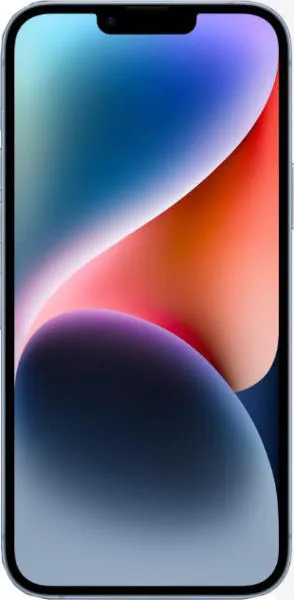
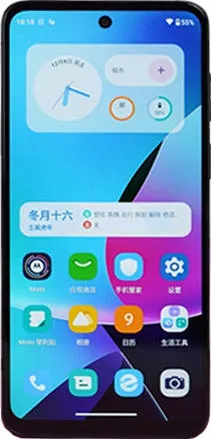
| Dimensions (mm) | 160.8 x 78.1 x 7.8 | 162.7 x 74.7 x 8.2 | iPhone 14 Plus is slightly shorter, narrower, and significantly thinner. Moto G53 is lighter. Portability differences are minimal. |
| Weight (g) | 203 | 183 | Moto G53 feels noticeably lighter in hand, reducing fatigue during extended use. |
| Build Materials | Glass/Aluminum | Plastic Frame | iPhone boasts premium materials, contributing to durability and a more luxurious feel, while Moto G53 prioritizes affordability. |
| Display | |||
| Display Type | Super Retina XDR OLED | IPS LCD | iPhone's OLED delivers richer blacks, vibrant colors, and superior contrast, resulting in a more immersive viewing experience. |
| Display Size | 6.7" | 6.5" | Negligible difference in screen real estate for media consumption. |
| Resolution | 1284 x 2778 | 720 x 1600 | iPhone's significantly higher resolution results in sharper text, images, and videos. Moto G53's display will appear noticeably pixelated. |
| Refresh Rate | - | 120Hz | Moto G53's higher refresh rate delivers smoother scrolling and animations, making the UI feel more responsive. |
| Performance | |||
| Chipset | A15 Bionic | Snapdragon 480+ 5G | iPhone's A15 is significantly more powerful, enabling seamless multitasking, demanding gaming, and faster app loading. |
| RAM | 6GB | 4/6GB | iPhone's optimized RAM management ensures smooth performance even with less RAM than some Moto G53 variants. |
| OS | iOS 16 | Android 13 | Preference-based, but iOS is known for its simplicity and tight hardware-software integration. Android offers more customization. |
| Camera | |||
| Main Camera | 12MP | 50MP | While Moto G53 boasts higher megapixels, iPhone's superior image processing typically results in better overall photo quality. |
| Video Recording | 4K@60fps | 1080p@30fps | iPhone offers significantly higher resolution and frame rate video recording capabilities. |
| Battery Life | |||
| Capacity | 4323 mAh | 5000 mAh | Moto G53's larger battery likely translates to longer usage time. However, real-world battery life depends on usage patterns. |
2. Key Insights
The iPhone 14 Plus excels in display quality, performance, and overall camera performance. Its A15 Bionic chip blows the Snapdragon 480+ out of the water, offering a significantly smoother and more responsive user experience. The OLED display is a visual treat. However, it comes at a premium price.
The Moto G53's strengths lie in its affordability, larger battery, and higher refresh rate display. The 120Hz refresh rate makes everyday interactions feel fluid, although the lower resolution display detracts from the overall visual experience. It's a solid budget-friendly option but compromises on processing power and camera capabilities.
3. User Profiles and Recommendations
iPhone 14 Plus: Ideal for users who prioritize performance, a premium user experience, a vibrant display, and excellent camera quality. Power users, content creators, and mobile gamers will appreciate the iPhone's capabilities.
Moto G53: Best suited for budget-conscious users who prioritize battery life and a smooth display experience for everyday tasks like browsing, social media, and light gaming. It's a great option for students, casual users, and those seeking a reliable device without breaking the bank.
4. Buying Decision Framework
- What is your budget? The iPhone 14 Plus is significantly more expensive.
- What are your performance needs? For demanding tasks, the iPhone 14 Plus is the clear winner.
- What features do you value most? Prioritize display quality and camera? Choose iPhone. Prioritize battery life and affordability? Choose Moto G53.
My Choice: The iPhone 14 Plus
While the Moto G53 offers excellent value, I would choose the iPhone 14 Plus. As a tech journalist, I demand top-tier performance and a seamless user experience. The A15 Bionic chip's raw power, combined with the stunning OLED display and excellent camera system, outweighs the Moto G53's advantages in battery life and refresh rate for my specific needs. The price difference is justifiable for the substantial leap in overall quality and long-term performance. The iPhone 14 Plus, while pricey, is a long-term investment in a device that will remain powerful and relevant for years to come.
