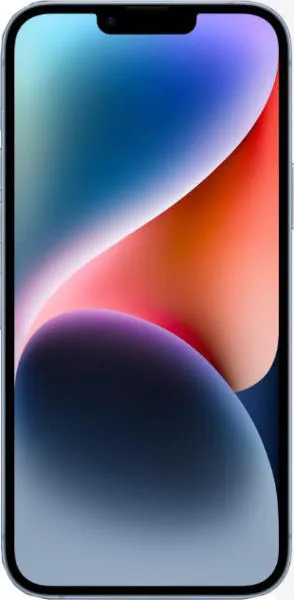
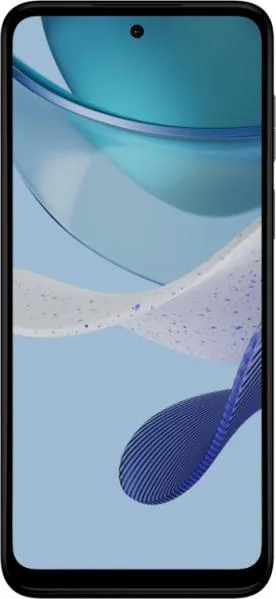
iPhone 14 Plus vs. Motorola Moto G (2023): A Practical Comparison
Let's dive deep into a head-to-head comparison of the Apple iPhone 14 Plus and the Motorola Moto G (2023). We'll dissect the specs, translate them into real-world implications, and help you decide which phone best fits your needs.
1. Specifications Breakdown
| Feature | Apple iPhone 14 Plus | Motorola Moto G (2023) | Real-World Implications |
|---|---|---|---|
| Design | |||
| Dimensions (mm) | 160.8 x 78.1 x 7.8 | 164 x 75 x 8.4 | iPhone 14 Plus is slightly smaller and thinner. Moto G (2023) is noticeably thicker. |
| Weight (g) | 203 | 189 | iPhone 14 Plus feels more premium due to its weight distribution and build materials. |
| Build Materials | Glass, Aluminum | Plastic | iPhone boasts superior durability and a more premium feel. |
| Display | |||
| Display Type | Super Retina XDR OLED | IPS LCD | iPhone's OLED offers significantly better contrast, color accuracy, and deeper blacks. |
| Display Size | 6.7" | 6.5" | Negligible difference in screen real estate. |
| Resolution | 1284 x 2778 | 720 x 1600 | iPhone's display is dramatically sharper and more detailed. |
| Refresh Rate | 60Hz | 120Hz | Moto G offers smoother scrolling and animations but at the cost of display quality. |
| Performance | |||
| Chipset | A15 Bionic | Snapdragon 480+ 5G | iPhone's A15 is significantly more powerful, resulting in faster app launches, smoother multitasking, and superior gaming performance. |
| RAM | 6GB | 4GB | iPhone's larger RAM allows for more apps to run in the background without performance degradation. |
| Storage | 128GB-512GB | 128GB | iPhone offers more storage options for users with extensive media libraries. |
| Camera | |||
| Main Camera | 12MP, f/1.5 | 48MP, f/1.7 | Despite higher megapixels on Moto G, iPhone's image processing and sensor quality typically result in superior photos and videos, especially in low light. |
| Video Recording | 4K@60fps | 1080p@30fps | iPhone offers higher resolution and frame rate video recording. |
| Battery Life | |||
| Battery Capacity | 4323 mAh | 5000 mAh | Moto G has a larger battery capacity, potentially offering longer battery life but real-world usage depends on numerous factors including screen type and processor efficiency. |
2. Key Insights
- Performance: The iPhone 14 Plus's A15 Bionic chip delivers a substantial performance advantage over the Moto G (2023)'s Snapdragon 480+. This translates to a smoother, more responsive user experience across the board.
- Display: The iPhone's Super Retina XDR OLED display is a clear winner, providing vibrant colors, deep blacks, and exceptional clarity. The Moto G's 120Hz refresh rate offers smoother animations, but the lower resolution and IPS LCD technology result in a less impressive visual experience.
- Camera: While the Moto G boasts a higher megapixel count, the iPhone 14 Plus is expected to produce superior image quality due to Apple's advanced image processing and sensor technology.
- Battery Life: The Moto G's larger battery may offer longer usage time, but the iPhone's more power-efficient chip could narrow the gap in real-world scenarios.
3. User Profiles and Recommendations
- iPhone 14 Plus: Ideal for users who prioritize performance, a premium display, a top-tier camera, and a seamless software experience. Best for power users, content creators, mobile gamers, and anyone who values a refined user experience.
- Moto G (2023): Suited for budget-conscious users who need a reliable phone for basic tasks like calling, texting, web browsing, and social media. Best for casual users, students, and those seeking an affordable 5G device.
4. Buying Decision Framework
- What is your budget? The iPhone 14 Plus is significantly more expensive.
- What are your performance expectations? For demanding tasks and gaming, the iPhone 14 Plus is the clear choice.
- How important is camera quality? The iPhone 14 Plus is generally expected to deliver superior photos and videos.
My Choice: I would choose the iPhone 14 Plus. As a tech journalist, performance, display quality, and a reliable camera are paramount. The A15 Bionic chip's power, coupled with the stunning Super Retina XDR display, provides a superior user experience that is crucial for my work. While the Moto G (2023) offers excellent value for its price, the iPhone 14 Plus's advantages in key areas align better with my needs. The significant difference in daily user experience justifies the price premium for me.
