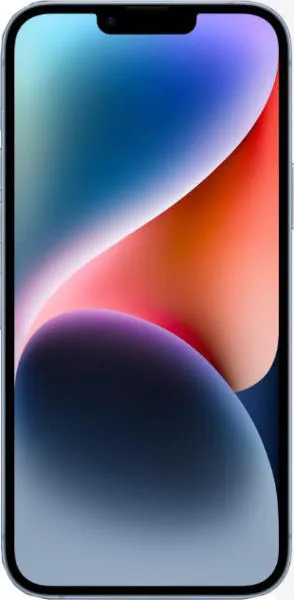
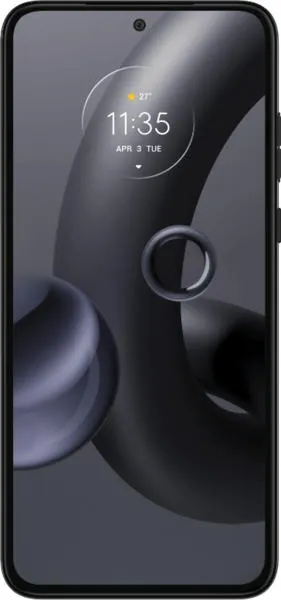
iPhone 14 Plus vs. Motorola Edge 30 Neo: A Detailed Comparison
Let's dive into a head-to-head comparison of the Apple iPhone 14 Plus and the Motorola Edge 30 Neo, dissecting their specs and uncovering what they truly offer in the real world.
1. Specifications Breakdown
| Feature | Apple iPhone 14 Plus | Motorola Edge 30 Neo | Real-World Implications |
|---|---|---|---|
| Design | |||
| Dimensions (mm) | 160.8 x 78.1 x 7.8 | 152.9 x 71.2 x 7.8 | Edge 30 Neo is noticeably smaller and lighter, enhancing one-handed usability. |
| Weight (g) | 203 | 155 | Significant weight difference; iPhone 14 Plus feels premium but can be tiring for some. |
| Build Materials | Aluminum & Glass | Plastic Frame & Glass | iPhone boasts a more premium feel, potentially offering better durability. |
| Display | |||
| Display Type | Super Retina XDR OLED | P-OLED | Both offer vibrant colors and deep blacks. |
| Size (inches) | 6.7 | 6.28 | iPhone 14 Plus provides a larger canvas for media consumption. |
| Resolution | 1284 x 2778 | 1080 x 2400 | iPhone has a sharper display, though both are sufficiently crisp for everyday use. |
| Refresh Rate | 60Hz | 120Hz | Edge 30 Neo's smoother scrolling and animations are a tangible advantage. |
| Performance | |||
| Chipset | A15 Bionic | Snapdragon 695 5G | A15 offers significantly higher processing power, translating to smoother performance. |
| RAM (GB) | 6 | 8 | More RAM on the Edge 30 Neo could help with multitasking, but A15's efficiency may offset this. |
| OS | iOS 16 | Android 12 | Preference-based, but iOS is known for its simplicity and long-term software updates. |
| Camera | |||
| Main Camera (MP) | 12 | 64 | Higher megapixel count on Edge 30 Neo doesn't guarantee better image quality. |
| Video Recording | Up to 4K@60fps | Up to 1080p@120fps | iPhone offers superior video recording capabilities. |
| Battery Life | |||
| Capacity (mAh) | 4323 | 4020 | iPhone 14 Plus likely offers longer battery life due to larger capacity and chip efficiency. |
2. Key Insights
- Performance: The A15 Bionic chip in the iPhone 14 Plus blows the Snapdragon 695 out of the water. This translates to a noticeably smoother experience in demanding tasks, gaming, and long-term performance consistency.
- Display: While both displays utilize OLED technology for vibrant visuals, the Edge 30 Neo's 120Hz refresh rate makes interactions feel noticeably more fluid. However, the iPhone 14 Plus boasts a sharper resolution and higher peak brightness.
- Camera: Image quality will depend heavily on computational photography, a domain where Apple excels. While the Edge 30 Neo has a higher megapixel count, the iPhone's overall camera system is expected to deliver more consistent results, especially in video.
- Software & Ecosystem: iOS is known for its simplicity, seamless integration across Apple devices, and a strong track record of long-term software updates. Android offers greater customization but fragmentation can lead to inconsistencies in the update cycle.
- Size and Portability: The Edge 30 Neo's compact form factor makes it a clear winner for one-handed use. The iPhone 14 Plus's larger display is excellent for media consumption but less pocketable.
3. User Profiles and Recommendations
- iPhone 14 Plus: Best for users prioritizing raw performance, a polished user experience, seamless integration within the Apple ecosystem, long-term software updates, and a large display for media consumption. Ideal for power users, content creators, and those heavily invested in Apple services.
- Motorola Edge 30 Neo: Best for users seeking a compact and stylish phone with a smooth display, decent performance for everyday tasks, and a more affordable price point. A good choice for those who prioritize portability, value for money, and a customizable Android experience.
4. Buying Decision Framework
- What is your budget? The iPhone 14 Plus sits in a higher price bracket.
- Do you prioritize performance or portability? The iPhone 14 Plus offers significantly better performance, while the Edge 30 Neo is much more compact.
- Which operating system do you prefer? iOS and Android offer distinct experiences; consider your familiarity and ecosystem preferences.
My Choice: As a tech journalist who values performance and a refined user experience, I would choose the iPhone 14 Plus. The A15 Bionic's power and efficiency, combined with Apple's long-term software support and the excellent camera system, outweigh the benefits of the Edge 30 Neo's higher refresh rate and smaller size for my personal needs. While I appreciate the Edge 30 Neo's portability and value proposition, the iPhone 14 Plus's superior overall experience aligns better with my usage patterns and priorities.
