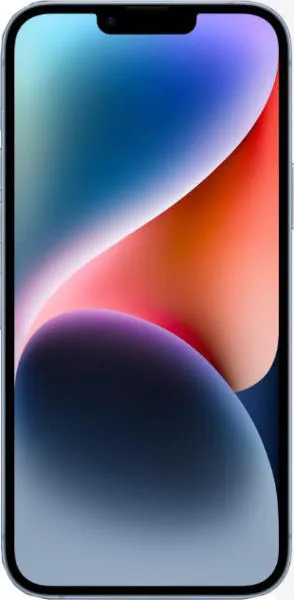
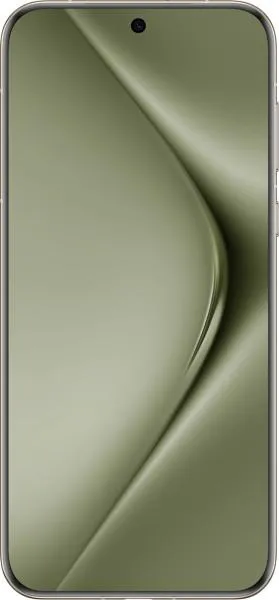
iPhone 14 Plus vs. Huawei Pura 70 Ultra: A Deep Dive
Let's dissect the Apple iPhone 14 Plus and the Huawei Pura 70 Ultra, going beyond the spec sheet to understand what these phones offer in the real world.
1. Specifications Breakdown
| Feature | Apple iPhone 14 Plus | Huawei Pura 70 Ultra | Real-World Implications |
|---|---|---|---|
| Design | |||
| Dimensions (mm) | 160.8 x 78.1 x 7.8 | 162.6 x 75.1 x 8.4 | Pura 70 Ultra slightly larger and heavier; noticeable in hand. |
| Weight (g) | 203 | 226 | iPhone 14 Plus feels lighter for extended use. |
| Build Materials | Aluminum & Glass | (Unspecified) | Durability and premium feel may vary. Missing data point for Pura 70 Ultra. |
| Display | |||
| Size (inches) | 6.7 | 6.8 | Negligible difference in screen real estate. |
| Resolution (px) | 1284 x 2778 | 1260 x 2844 | Comparable sharpness; both offer crisp visuals. |
| Panel Type | Super Retina XDR OLED | LTPO OLED | Pura 70 Ultra's LTPO panel allows for dynamic refresh rate, potentially saving battery and offering smoother scrolling. |
| Peak Brightness | 1200 nits | 2500 nits | Pura 70 Ultra significantly brighter; better outdoor visibility. |
| Refresh Rate | (Unspecified) | 120Hz | iPhone 14 Plus refresh rate is likely 60Hz, resulting in less fluid animations compared to the Pura 70 Ultra. |
| Performance | |||
| Chipset | A15 Bionic (5nm) | Kirin 9010 (7nm) | A15 historically known for strong performance; Kirin 9010 performance needs real-world testing for comparison. |
| CPU | Hexa-core | Octa-core | Core count doesn't directly translate to performance; architecture and optimization are key. |
| RAM (GB) | 6 | 16 | Pura 70 Ultra's 16GB RAM allows for significantly more apps in memory; benefits heavy multitaskers. |
| Camera | |||
| Main Sensor (MP) | 12 | 50 | Pura 70 Ultra boasts higher resolution, potentially capturing more detail. |
| Ultrawide (MP) | 12 | 40 | Pura 70 Ultra with higher resolution ultrawide. |
| Telephoto | No | 50 MP | Pura 70 Ultra offers optical zoom, absent in the iPhone 14 Plus. |
| Battery Life | |||
| Capacity (mAh) | 4323 | 5200 | Pura 70 Ultra has a larger battery; potentially longer lasting. |
2. Key Insights
- Display: The Pura 70 Ultra's LTPO display with a 120Hz refresh rate and higher peak brightness is a clear advantage for smoother scrolling, better responsiveness, and superior outdoor visibility. The iPhone 14 Plus sticks with a likely 60Hz panel, which while excellent, feels less modern.
- Performance: While the A15 Bionic in the iPhone 14 Plus is a proven performer, the Pura 70 Ultra's Kirin 9010 and massive 16GB RAM could potentially offer advantages in demanding tasks and multitasking. Real-world benchmarks are needed to confirm this.
- Camera: The Pura 70 Ultra's camera system is significantly more versatile, featuring a high-resolution main sensor, an ultrawide lens, and a dedicated telephoto lens for optical zoom. The iPhone 14 Plus, while capable, lacks the telephoto option, limiting its photographic flexibility.
- Battery: The Pura 70 Ultra's larger battery capacity suggests longer battery life. However, real-world usage patterns and software optimization play a crucial role in determining actual battery performance.
3. User Profiles and Recommendations
- iPhone 14 Plus: Ideal for users prioritizing a refined user experience within the Apple ecosystem, valuing ease of use, reliable performance, and a strong app ecosystem. Best for users who prioritize a streamlined, user-friendly experience over cutting-edge specifications.
- Huawei Pura 70 Ultra: Suited for power users, photographers, and those seeking the latest display technology. This phone is for those who push their devices hard and need the extra RAM, larger battery, and superior camera system.
4. Buying Decision Framework
- What is your budget? The Pura 70 Ultra is positioned in a higher price bracket.
- What is your photography style? If optical zoom and high-resolution photography are essential, the Pura 70 Ultra is the better choice.
- How important is display quality and refresh rate? The Pura 70 Ultra's LTPO display is a noticeable upgrade.
My Choice: As Alex Griffin, I would choose the Huawei Pura 70 Ultra. While I appreciate the polish of the Apple ecosystem, I prioritize cutting-edge technology and value the Pura 70 Ultra's superior display, more versatile camera system, larger battery, and ample RAM for demanding tasks and future-proofing. The potential performance gains of the Kirin 9010 and the advantages of a high refresh rate display align with my preference for a fluid and responsive user experience.
