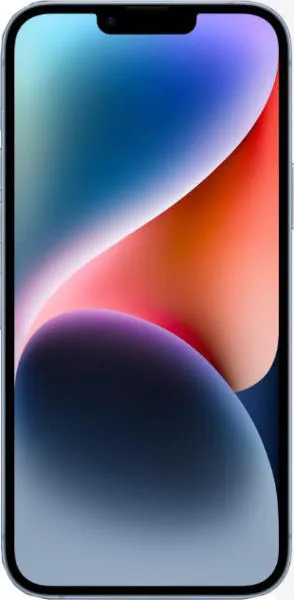
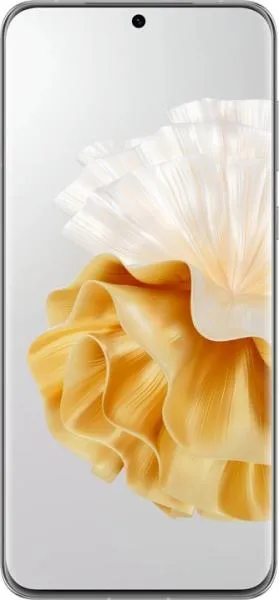
iPhone 14 Plus vs. Huawei P60 Pro: A Comparative Analysis
The smartphone landscape is constantly evolving, and choosing the right device can feel overwhelming. Today, we'll dissect two compelling contenders: the Apple iPhone 14 Plus and the Huawei P60 Pro. By blending technical expertise with real-world insights, we'll empower you to make an informed decision.
1. Specifications Breakdown
| Feature | Apple iPhone 14 Plus | Huawei P60 Pro | Real-World Implications |
|---|---|---|---|
| Design | |||
| Dimensions (mm) | 160.8 x 78.1 x 7.8 | 161 x 74.5 x 8.3 | P60 Pro slightly taller and thicker. iPhone 14 Plus marginally narrower. Negligible difference in hand feel for most users. |
| Weight (g) | 203 | 200 | Virtually identical weight; both feel substantial in hand. |
| Build Materials | Aluminum, Glass | Glass, Aluminum | Both premium materials, offering durability and a sleek aesthetic. |
| Display | |||
| Size (inches) | 6.7 | 6.67 | Negligible difference in screen real estate. Both offer immersive viewing experiences. |
| Resolution (px) | 1284 x 2778 | 1220 x 2700 | iPhone boasts slightly sharper visuals due to higher pixel density, though imperceptible to most users in everyday use. |
| Type | Super Retina XDR OLED | LTPO OLED | Both offer vibrant colors, deep blacks, and excellent contrast. P60 Pro's LTPO panel enables dynamic refresh rates for power efficiency. |
| Refresh Rate (Hz) | 60 | 120 | P60 Pro's 120Hz delivers smoother scrolling and animations, enhancing perceived performance and responsiveness. |
| Performance | |||
| Chipset | A15 Bionic | Snapdragon 8+ Gen 1 | P60 Pro boasts a newer, more powerful processor, potentially offering a performance edge in demanding tasks and gaming. |
| RAM (GB) | 6 | 8/12 | P60 Pro offers more RAM, enabling better multitasking and smoother performance with multiple apps open. |
| Camera | |||
| Main Camera (MP) | 12 | 48 | P60 Pro's higher resolution main sensor potentially captures more detail. Real-world image quality depends on processing and optics. |
| Telephoto | Digital Zoom Only | 3.5x Optical Zoom | P60 Pro offers superior zoom capabilities thanks to a dedicated telephoto lens. |
| Battery Life | |||
| Capacity (mAh) | 4323 | 4815 | P60 Pro has a larger battery, potentially translating to longer usage time. Actual battery life depends on usage patterns and optimization. |
2. Key Insights
iPhone 14 Plus: Focuses on a refined user experience within Apple's ecosystem. Strengths include a vibrant display, powerful (though older) processor, excellent video recording capabilities, and seamless integration with other Apple devices.
Huawei P60 Pro: Prioritizes cutting-edge hardware and camera technology. Its advantages lie in the newer, more powerful processor, higher RAM, superior camera system with a dedicated telephoto lens, a larger battery, and a 120Hz adaptive refresh rate display. However, the lack of Google Mobile Services (GMS) remains a significant drawback for users reliant on Google's apps and services.
3. User Profiles and Recommendations
iPhone 14 Plus: Ideal for users entrenched in the Apple ecosystem who value ease of use, reliability, and a premium user experience. Excellent for content consumption, casual gaming, and everyday tasks.
Huawei P60 Pro: Best suited for tech enthusiasts and photography aficionados who prioritize top-tier hardware, cutting-edge camera features, and don't rely heavily on Google's services.
4. Buying Decision Framework
- Ecosystem Loyalty: Are you invested in the Apple ecosystem? If so, the iPhone 14 Plus offers seamless integration.
- Camera Needs: Is photography a top priority? The P60 Pro's advanced camera system significantly outperforms the iPhone 14 Plus.
- Google Services Reliance: Do you heavily rely on Google apps like Gmail, Maps, and YouTube? The lack of GMS on the P60 Pro could be a deal-breaker.
My Choice:
I would choose the Huawei P60 Pro. While I appreciate the seamless integration of the Apple ecosystem, as a tech journalist, I prioritize having access to the latest and greatest hardware. The P60 Pro's superior camera system, powerful processor, stunning display with a 120Hz refresh rate, and larger battery are compelling advantages. I am willing to navigate the challenges of using a phone without GMS to experience the cutting-edge technology offered by the P60 Pro. I am also fascinated by the advancements Huawei is making in mobile photography and would love to explore those capabilities firsthand. The potential for superior image quality and creative control outweighs the inconvenience of finding alternatives to Google services for me personally.
