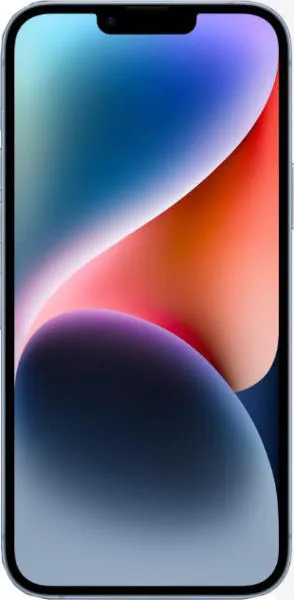
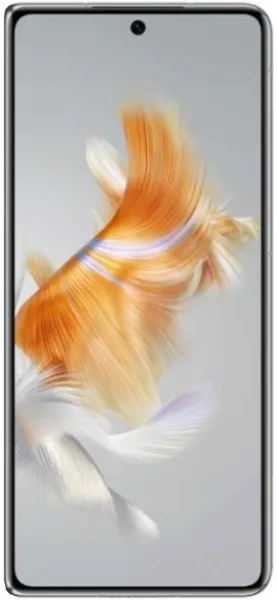
iPhone 14 Plus vs. Huawei Mate X3: A Detailed Comparison
The smartphone landscape is constantly evolving, with new contenders vying for our attention. Today, we'll dissect two distinct devices: the Apple iPhone 14 Plus and the Huawei Mate X3. While both offer premium experiences, their strengths cater to different needs and priorities. Let's dive into a detailed comparison to uncover which phone reigns supreme for various user profiles.
1. Specifications Breakdown
| Feature | Apple iPhone 14 Plus | Huawei Mate X3 | Real-World Implications |
|---|---|---|---|
| Design | |||
| Dimensions (mm) | 160.8 x 78.1 x 7.8 | 156.9 x 141.5 x 5.3 (Unfolded), 156.9 x 72.4 x 11.1 (Folded) | Mate X3's foldable design offers larger screen real estate in a pocketable form factor. iPhone 14 Plus boasts a sleek, familiar design. |
| Weight (g) | 203 | 239 | iPhone 14 Plus is noticeably lighter for comfortable one-handed use. Mate X3's weight is understandable given its foldable technology. |
| Foldable | No | Yes | Mate X3 transforms from a phone to a tablet, enhancing multitasking and media consumption. |
| Display | |||
| Size (inches) | 6.7 | 7.85 (Unfolded), 6.4 (Folded) | Mate X3 provides a significantly larger unfolded display for immersive experiences. |
| Resolution (px) | 1284 x 2778 | 2224 x 2496 (Unfolded), 1080 x 2504 (Folded) | Both offer sharp visuals, but Mate X3's unfolded screen provides more detail. |
| Type | Super Retina XDR OLED | Foldable OLED | Both offer vibrant colors and deep blacks, but the Mate X3's folding capability introduces a crease. |
| Refresh Rate (Hz) | 60 | 120 | Mate X3's higher refresh rate delivers smoother animations and scrolling. |
| Performance | |||
| Chipset | Apple A15 Bionic | Snapdragon 8+ Gen 1 | Both chipsets are powerful, but benchmarks suggest Snapdragon 8+ Gen 1 might have a slight edge in raw performance. |
| RAM (GB) | 6 | 8/12 | Mate X3 offers more RAM, potentially improving multitasking performance. |
| OS | iOS 16 | HarmonyOS | iOS is known for its simplicity and app ecosystem. HarmonyOS is still developing its ecosystem. |
| Camera | |||
| Rear Cameras | Dual (12MP + 12MP) | Triple (50MP + 13MP + 12MP) | Mate X3 boasts a higher resolution primary sensor and a more versatile triple-camera system. |
| Selfie Camera | 12MP | 8MP | iPhone 14 Plus has a higher resolution front-facing camera. |
| Battery Life | |||
| Capacity (mAh) | 4323 | 4800 | Mate X3 has a larger battery, potentially offering longer usage time, though the larger display consumes more power. |
2. Key Insights
iPhone 14 Plus: This phone shines in its simplicity and refined user experience. The A15 Bionic chip, though a generation older, still delivers excellent performance for everyday tasks and even demanding games. Its camera system produces consistently impressive results, particularly in video recording. Battery life is also a strong point, easily lasting a full day.
Huawei Mate X3: The star of the show is undoubtedly the foldable design. The expansive unfolded display offers a tablet-like experience for productivity and entertainment. The powerful Snapdragon 8+ Gen 1 chip and ample RAM ensure smooth multitasking. However, the crease in the folding display might be a distraction for some, and the lack of Google Mobile Services could limit app availability.
3. User Profiles and Recommendations
iPhone 14 Plus: Ideal for users who prioritize ease of use, a reliable app ecosystem, and long battery life. Excellent for those entrenched in the Apple ecosystem and seeking a large-screen experience without the "Pro" price tag.
Huawei Mate X3: Best suited for users who value innovation and crave a device that pushes boundaries. The foldable design appeals to multitaskers, content creators, and those who consume media on the go. However, users heavily reliant on Google services might find the experience limiting.
4. Buying Decision Framework
Questions to consider:
- How important is a foldable screen to you? If having a larger, flexible display is paramount, the Mate X3 is the clear choice.
- Are you heavily reliant on Google services? If so, the iPhone 14 Plus is the safer bet due to limitations on the Mate X3.
- What's your budget? The Mate X3 falls into a higher price bracket compared to the iPhone 14 Plus.
Scenario-based recommendations:
- Frequent traveler: The Mate X3's foldable design allows for both a large screen for entertainment and a compact form factor for portability.
- Social media enthusiast: The iPhone 14 Plus's excellent camera and long battery life make it perfect for capturing and sharing content throughout the day.
- Business professional: The Mate X3's large screen enhances productivity, while the iPhone 14 Plus offers seamless integration with other Apple devices.
My Choice: iPhone 14 Plus
While the Mate X3's innovative foldable design is undeniably impressive, I would personally choose the iPhone 14 Plus. My decision hinges on the seamless integration within the Apple ecosystem, the polished user experience of iOS, and the consistently reliable performance of the A15 Bionic chip. As a journalist, I prioritize a device that's dependable, offers excellent battery life, and provides a smooth user experience without any compromises in app availability. The iPhone 14 Plus fits this bill perfectly. While the Mate X3 is intriguing, the potential limitations of HarmonyOS and the higher price point make the iPhone 14 Plus the more practical choice for my needs. Ultimately, the "best" phone depends on individual priorities and preferences, but for me, the iPhone 14 Plus strikes the optimal balance between features, performance, and usability.
