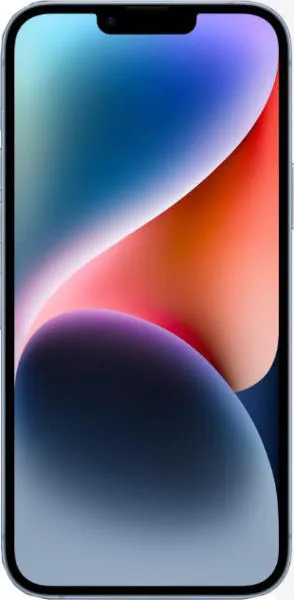
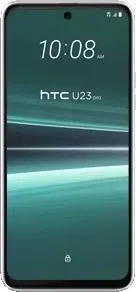
iPhone 14 Plus vs. HTC U23 Pro: A Deep Dive for the Discerning User
The smartphone landscape is constantly evolving, and choosing the right device can feel overwhelming. Today, we'll dissect two compelling contenders: the Apple iPhone 14 Plus and the HTC U23 Pro. By blending technical expertise with real-world insights, we'll empower you to make a decision that aligns perfectly with your needs.
1. Specifications Breakdown
| Feature | Apple iPhone 14 Plus | HTC U23 Pro | Real-World Implications |
|---|---|---|---|
| Design | |||
| Dimensions (mm) | 160.8 x 78.1 x 7.8 | 166.6 x 77.1 x 8.9 | iPhone 14 Plus is slightly smaller and thinner, potentially more pocketable. |
| Weight (g) | 203 | 205 | Negligible weight difference; both feel substantial in hand. |
| Build Materials | Aluminum & Glass | Glass & Aluminum | Both premium materials, but durability may vary. |
| Display | |||
| Size (inches) | 6.7 | 6.7 | Identical screen real estate for immersive content consumption. |
| Resolution (px) | 1284 x 2778 | 1080 x 2400 | iPhone boasts significantly sharper visuals due to higher pixel density (458 ppi vs. 393 ppi). |
| Display Type | Super Retina XDR OLED | OLED | Both offer vibrant colors and deep blacks, but iPhone's HDR10 and Dolby Vision support provide superior dynamic range. |
| Refresh Rate (Hz) | 60 | 120 | HTC offers smoother scrolling and animations thanks to the higher refresh rate. |
| Performance | |||
| Chipset | Apple A15 Bionic | Snapdragon 7 Gen 1 | Apple's A15 chip generally delivers superior performance in benchmarks and real-world usage. |
| CPU | Hexa-core | Octa-core | Core count doesn't directly translate to performance; Apple's architecture is highly optimized. |
| RAM (GB) | 6 | 8/12 | More RAM in the HTC could benefit multitasking, but iOS often manages memory more efficiently. |
| Camera | |||
| Main Camera (MP) | 12 | 108 | Higher megapixel count on HTC doesn't guarantee better image quality; sensor size and processing are crucial. |
| Video | 4K@60fps | 4K@30fps | iPhone offers higher resolution and frame rate video recording capabilities. |
| Battery Life | |||
| Capacity (mAh) | 4323 | 4600 | HTC has a slightly larger battery, but real-world battery life depends on numerous factors. |
2. Key Insights
The iPhone 14 Plus excels in display quality, raw performance, and video recording capabilities. Its A15 Bionic chip remains a powerhouse, and the Super Retina XDR display delivers stunning visuals.
The HTC U23 Pro counters with a faster 120Hz refresh rate display, a larger battery, more RAM, and a versatile quad-camera system with a 108MP main sensor. Its Snapdragon 7 Gen 1 processor, while not as powerful as the A15, offers respectable performance for everyday tasks.
3. User Profiles and Recommendations
iPhone 14 Plus: Ideal for users prioritizing performance, a polished user experience, and a vibrant display. Content creators will appreciate the superior video recording capabilities.
HTC U23 Pro: Suited for users who value a smooth display, long battery life, and versatile camera features. Those seeking a more customizable Android experience will also find it appealing.
4. Buying Decision Framework
- Is top-tier performance crucial for your workflow? If yes, the iPhone 14 Plus is the clear winner.
- Do you prioritize a smooth display or longer battery life? A smooth display points to the HTC, while potential longer battery life favors the U23 Pro.
- Which ecosystem do you prefer: iOS or Android? This often comes down to personal preference and existing device integration.
My Choice: As a tech journalist who demands performance and a stellar visual experience, I'd lean towards the iPhone 14 Plus. The A15 Bionic chip's consistent performance, coupled with the exceptional display, aligns perfectly with my needs. While the HTC U23 Pro offers intriguing features like the 120Hz display and larger battery, the iPhone's overall package, especially in performance and image quality, remains compelling. The tighter integration within the Apple ecosystem also influences my decision, as does the proven track record of software updates and support.
