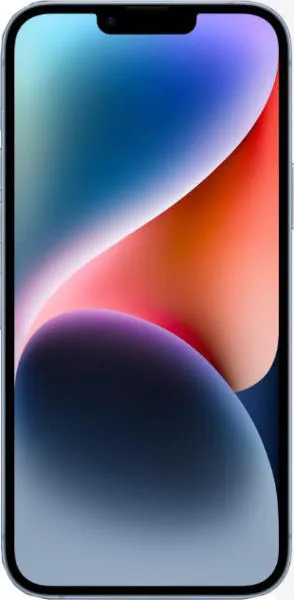
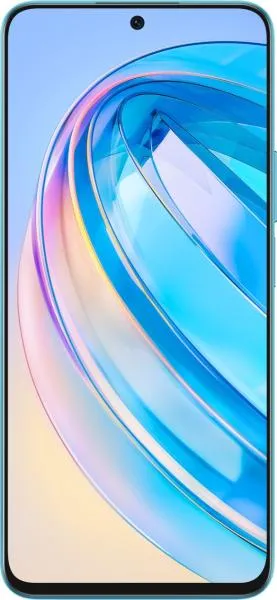
iPhone 14 Plus vs. Honor X8a: A Detailed Comparison
Let's dive deep into a comparative analysis of the Apple iPhone 14 Plus and the Honor X8a, dissecting their technical specifications and translating them into real-world user experiences.
1. Specifications Breakdown
| Feature | Apple iPhone 14 Plus | Honor X8a | Real-World Implications | Category |
|---|---|---|---|---|
| Design | ||||
| Dimensions (mm) | 160.8 x 78.1 x 7.8 | 162.9 x 74.5 x 7.5 | iPhone 14 Plus is slightly shorter and thinner. | Design |
| Weight (g) | 203 | 179 | Honor X8a is noticeably lighter, reducing hand fatigue. | Design |
| Build Material | Glass/Aluminum | Plastic | iPhone boasts premium materials; Honor prioritizes affordability. | Design |
| Display | ||||
| Display Type | Super Retina XDR OLED | IPS LCD | iPhone delivers superior contrast, color accuracy, and viewing angles. | Display |
| Display Size (in) | 6.7 | 6.7 | Identical screen sizes offer ample viewing space on both devices. | Display |
| Resolution (px) | 1284 x 2778 | 1080 x 2388 | iPhone has a sharper display with higher pixel density (458 vs 391 ppi). | Display |
| Refresh Rate (Hz) | 60 | 90 | Honor X8a offers smoother scrolling and animations. | Display |
| Performance | ||||
| Chipset | Apple A15 Bionic | Mediatek Helio G88 | iPhone's A15 chip significantly outperforms the Helio G88, enabling demanding tasks and gaming. | Performance |
| CPU | Hexa-core | Octa-core | While both have multiple cores, iPhone's architecture and individual core performance are superior. | Performance |
| RAM (GB) | 6 | 8 | More RAM on Honor X8a could help with multitasking, but iPhone's optimized OS negates this advantage in most cases. | Performance |
| Camera | ||||
| Main Camera (MP) | 12 | 100 | Honor boasts higher megapixel count, but image quality depends on sensor size and processing, where Apple excels. | Camera |
| Video Recording | Up to 4K@60fps | 1080p@30fps | iPhone offers superior video resolution and frame rates. | Camera |
| Battery Life | ||||
| Battery Capacity | 4323 mAh | 4500 mAh | Honor has a slightly larger battery. Real-world battery life will depend on usage and optimization. | Battery Life |
2. Key Insights
- Performance: The iPhone 14 Plus, powered by the A15 Bionic chip, delivers a significant performance advantage. Expect smoother multitasking, faster app loading, and superior gaming capabilities compared to the Honor X8a.
- Display: While both phones have a 6.7-inch display, the iPhone's OLED technology offers richer colors, deeper blacks, and wider viewing angles. The Honor X8a's 90Hz refresh rate provides smoother scrolling, but the iPhone's overall display quality is superior.
- Camera: Megapixels aren't everything. While the Honor X8a boasts a 100MP main camera, the iPhone 14 Plus is likely to produce better overall image quality due to Apple's advanced image processing. iPhone also offers superior video recording capabilities.
- Software and Ecosystem: iOS is known for its simplicity, seamless integration, and focus on privacy. Android offers more customization options but can be more fragmented.
3. User Profiles and Recommendations
- iPhone 14 Plus: Best suited for users who prioritize performance, a premium user experience, high-quality camera capabilities, and seamless integration within the Apple ecosystem. Ideal for demanding tasks, content creation, and mobile gaming.
- Honor X8a: A good option for budget-conscious users who prioritize battery life and a large display. Suitable for everyday tasks like browsing, social media, and casual photography.
4. Buying Decision Framework
- What is your budget? The iPhone 14 Plus is significantly more expensive.
- What are your performance needs? For demanding tasks and gaming, the iPhone is the clear winner.
- Which operating system do you prefer? Consider iOS for simplicity and Android for customization.
My Choice: iPhone 14 Plus
While the Honor X8a offers a compelling value proposition for its price, I would choose the iPhone 14 Plus. The superior performance, stunning display, excellent camera system, and seamless iOS experience are worth the premium. As someone who values a smooth and reliable user experience, along with top-tier performance for both work and leisure, the iPhone 14 Plus aligns better with my needs. The A15 Bionic chip's future-proofing also ensures that the device will remain performant for years to come. While the Honor X8a's higher refresh rate and larger battery are tempting, they don't outweigh the significant advantages offered by the iPhone in terms of overall performance, display quality, and ecosystem integration.
