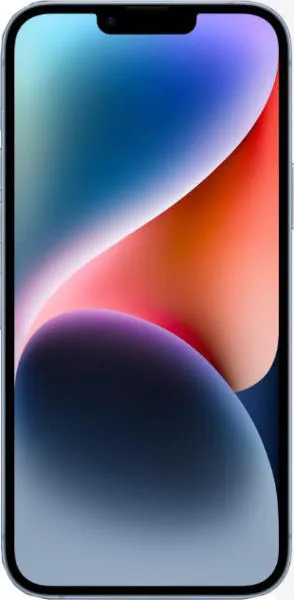
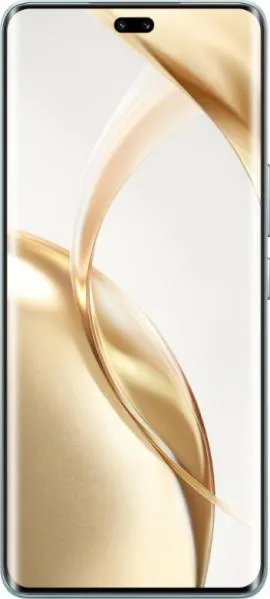
iPhone 14 Plus vs. Honor 200 Pro: A Deep Dive for the Discerning User
The smartphone landscape is constantly evolving, and choosing the right device can feel overwhelming. Today, we'll dissect two compelling contenders in the mid-range arena: the Apple iPhone 14 Plus and the Honor 200 Pro. Let's cut through the marketing jargon and explore how these phones perform in the real world.
1. Specifications Breakdown
| Feature | Apple iPhone 14 Plus | Honor 200 Pro | Real-World Implications |
|---|---|---|---|
| Design | |||
| Dimensions (mm) | 160.8 x 78.1 x 7.8 | 163.3 x 75.2 x 8.2 | Honor slightly larger, iPhone marginally thinner. Negligible difference in hand feel. |
| Weight (g) | 203 | 199 | Virtually identical; both comfortable for one-handed use for most users. |
| Build Materials | Aluminum, Glass | Glass, Aluminum | Similar premium feel. Durability depends on individual use case and case choice. |
| Display | |||
| Size (inches) | 6.7 | 6.78 | Honor offers a marginally larger screen diagonal. |
| Resolution (px) | 1284 x 2778 | 1224 x 2700 | iPhone boasts slightly higher pixel density (sharper text and images), though both are excellent. |
| Panel Type | Super Retina XDR OLED | OLED | Both offer vibrant colors and deep blacks. iPhone's XDR offers a wider color gamut and higher peak brightness for HDR content. |
| Refresh Rate (Hz) | 60 (implied) | 120 | Honor's 120Hz delivers smoother scrolling and animations, enhancing perceived performance. Crucial for gamers. |
| Performance | |||
| Chipset | A15 Bionic (5nm) | Snapdragon 8s Gen 3(4nm) | A15 known for exceptional efficiency and performance despite being a generation older. Snapdragon 8s Gen 3 is newer and powerful, but real-world differences may be subtle for average users. |
| RAM (GB) | 6 | 12 | Honor's 12GB offers more headroom for multitasking and demanding applications, future-proofing the device. |
| OS | iOS 16 | Android 14 | Preference-based. iOS known for simplicity and tight hardware-software integration; Android for customization and open ecosystem. |
| Camera | |||
| Main Sensor (MP) | 12 | 50 | Honor boasts significantly higher megapixel count, potentially capturing more detail. Real-world image quality depends on processing. |
| Camera Features | Sensor-shift OIS, Cinematic Mode | Telephoto lens, Ultrawide 122° | iPhone excels in video stabilization and cinematic features. Honor offers versatile zoom capabilities and a wider ultrawide. |
| Battery Life | |||
| Capacity (mAh) | 4323 | 5200 | Honor offers a larger battery capacity, suggesting longer usage time. Real-world battery life influenced by multiple factors. |
2. Key Insights
- Performance: While benchmarks might favor the Honor 200 Pro, the A15 Bionic in the iPhone 14 Plus remains a powerhouse, especially considering its efficiency. For everyday tasks, both phones will perform admirably. The Honor's advantage in RAM becomes noticeable with heavy multitasking.
- Display: The Honor's higher refresh rate significantly impacts the user experience, making interactions feel more fluid. However, the iPhone’s superior display technology delivers a noticeable difference in color accuracy and brightness, especially when viewing HDR content.
- Camera: This is where personal preference truly shines. The iPhone prioritizes video quality and stabilization, ideal for content creators. The Honor offers greater versatility with its telephoto lens and ultrawide capabilities. Megapixel count isn't everything; image processing plays a crucial role.
- Software: iOS vs. Android is a long-standing debate. iOS offers a streamlined experience, while Android allows for greater customization. Consider your comfort level and ecosystem preferences.
3. User Profiles and Recommendations
- iPhone 14 Plus: Best for users prioritizing a seamless user experience, excellent video recording, and a vibrant display. Ideal for those already invested in the Apple ecosystem.
- Honor 200 Pro: Best for power users who demand high performance, a smooth display, versatile camera capabilities, and longer battery life. A strong choice for Android enthusiasts seeking customizable features.
4. Buying Decision Framework
- Are you heavily invested in a specific ecosystem (Apple or Google)? This often dictates the OS choice.
- Is a smooth display or a color accurate display with higher peak brightness more important to you? This will help you decide between the 120Hz of the Honor and the Super Retina XDR of the iPhone.
- What is your primary use case for the camera – video or still photography with zoom flexibility? This highlights the strengths of each device's camera system.
My Choice: The iPhone 14 Plus
For me, the iPhone 14 Plus edges out the Honor 200 Pro. The deciding factors are the superior display quality and the seamless integration within the Apple ecosystem, which I already heavily utilize. While the Honor's 120Hz display and versatile camera are tempting, the iPhone's consistent performance, exceptional video capabilities, and the overall user experience resonate more strongly with my personal needs and priorities. The slightly higher price premium for the iPhone is justified for my use case.
